



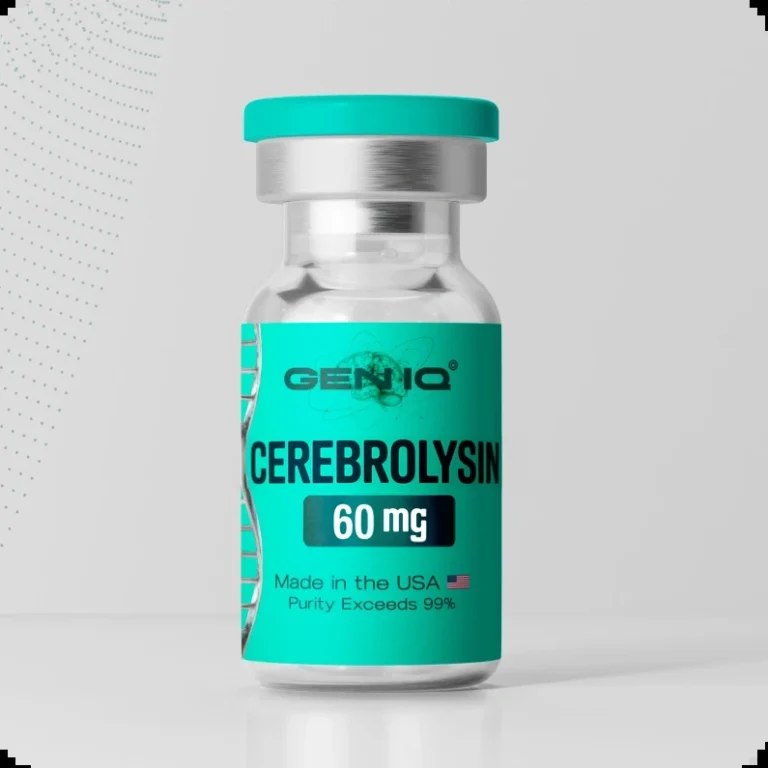
Cerebrolysin — 60mg
$189.99Cerebrolysin is a peptide preparation studied in laboratory research for its role in neurotrophic signalling. It is composed of low-molecular-weight peptides and free amino acids, and is examined in research settings for how such fractions interact with neuronal growth and survival pathways, synaptic signalling, and cellular repair mechanisms in the central nervous system. Supplied for laboratory research use only.
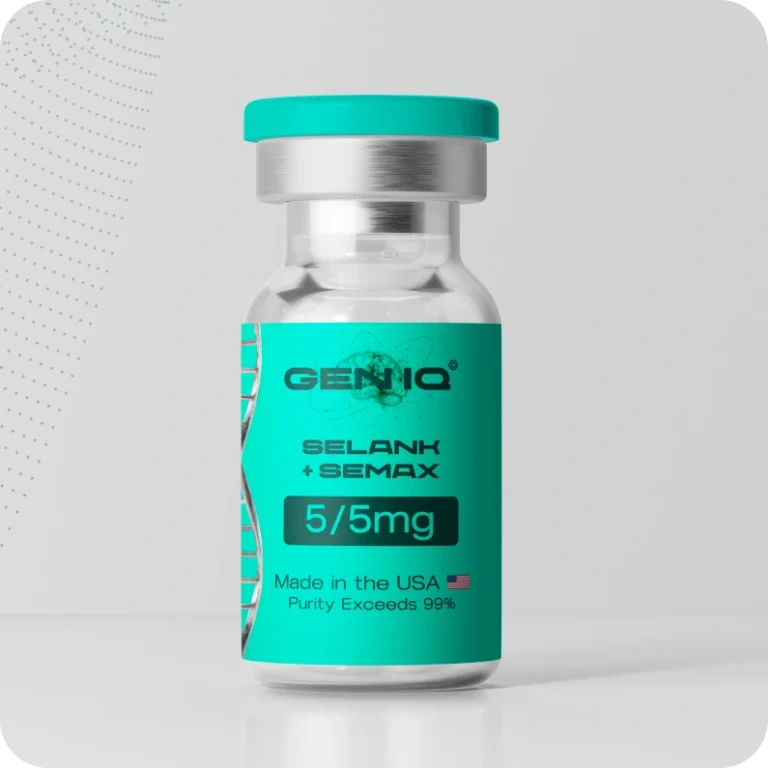
Selank + Semax (5/5mg)
$125.99Selank and Semax are synthetic neuroactive peptides commonly studied in neuroscience and molecular-biology research.
Selank is derived from the endogenous peptide tuftsin, while Semax is based on a fragment of adrenocorticotropic hormone (ACTH 4–10).
When combined in research environments, these peptides are evaluated for their complementary interactions within neurochemical signaling, stress-response pathways, and cognitive-function models.
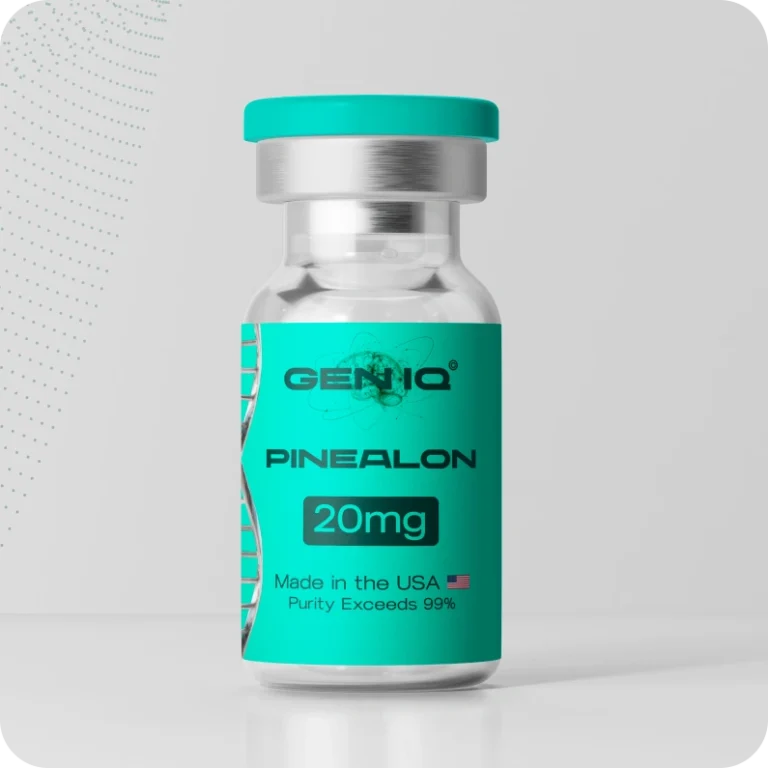
Pinealon — 20mg
$119.99Pinealon is a short regulatory tripeptide (Glu-Asp-Arg) studied for its role in cellular stress responses, neurobiological pathways, and age-related molecular processes.
It is commonly used in laboratory environments to explore how small peptides influence gene expression, antioxidant systems, and cellular protection mechanisms.
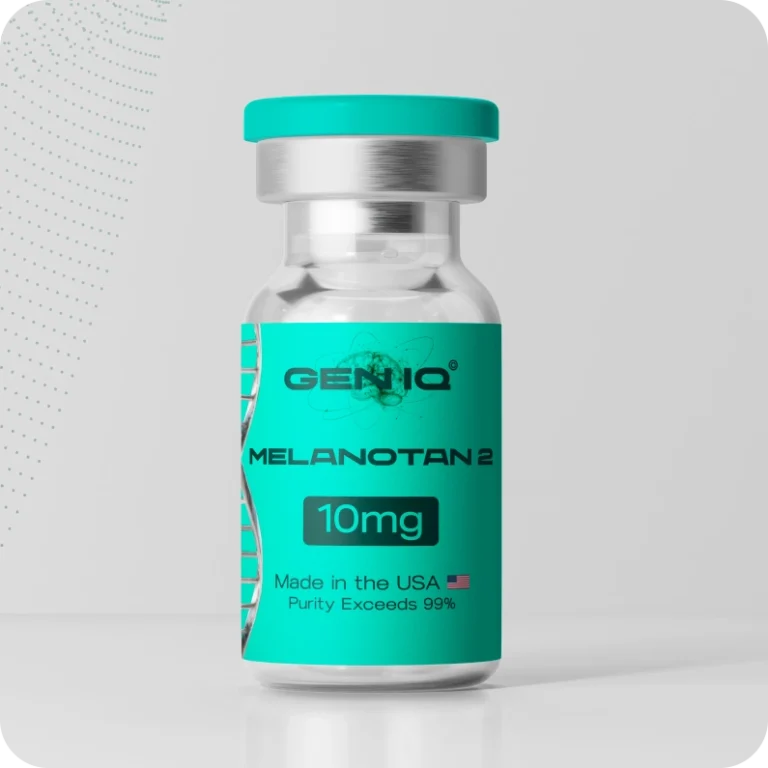
Melanotan 2 — 10mg
$79.99Melanotan 2 (MT-2) is a synthetic analog of the naturally occurring alpha-melanocyte–stimulating hormone (α-MSH).
Researchers study MT-2 for its interactions with melanocortin receptors, biochemical signaling related to pigmentation, and various pathways connected to the melanocortin system.
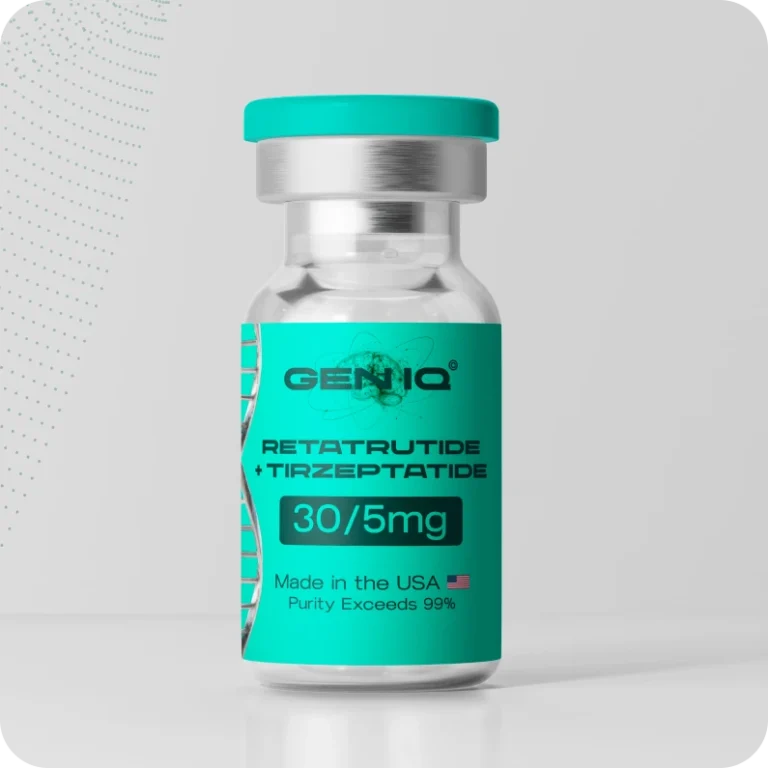
Retatrutide / Tirzepatide (30mg / 5mg)
$379.99Retatrutide / Tirzepatide is a dual-peptide research blend combining a GIP/GLP-1/glucagon triple-receptor agonist (Retatrutide) with a dual GIP/GLP-1 receptor agonist (Tirzepatide).
Researchers use this combination to study overlapping incretin, glucagon, and nutrient-sensing receptor signaling under controlled laboratory conditions.
This compound is provided by GENIQ exclusively for scientific research and not for human or animal use.
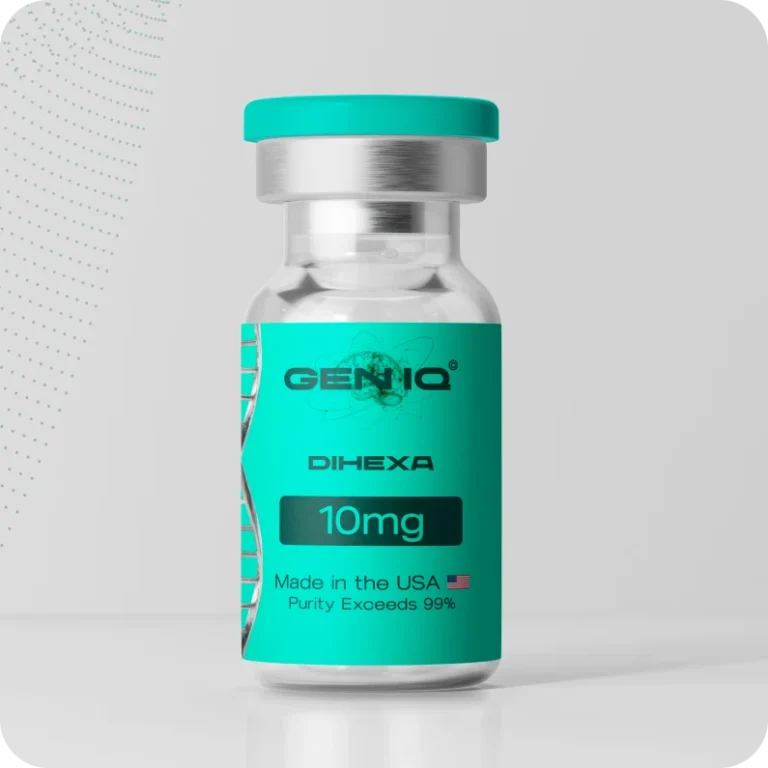
DIHEXA (10mg)
$249.99DIHEXA (N-Hexanoic-Tyr-Ile-(6) aminohexanoic amide) is a synthetic peptide-derived compound studied in neuroscience and synaptic signaling research. It is structurally related to angiotensin IV but was engineered to enhance stability and biological activity within laboratory models.
Researchers study DIHEXA primarily for its interaction with hepatocyte growth factor (HGF) and c-Met receptor signaling pathways, which are associated with synaptic connectivity and neural communication.
GENIQ supplies DIHEXA strictly for laboratory research only—not for human or animal use.
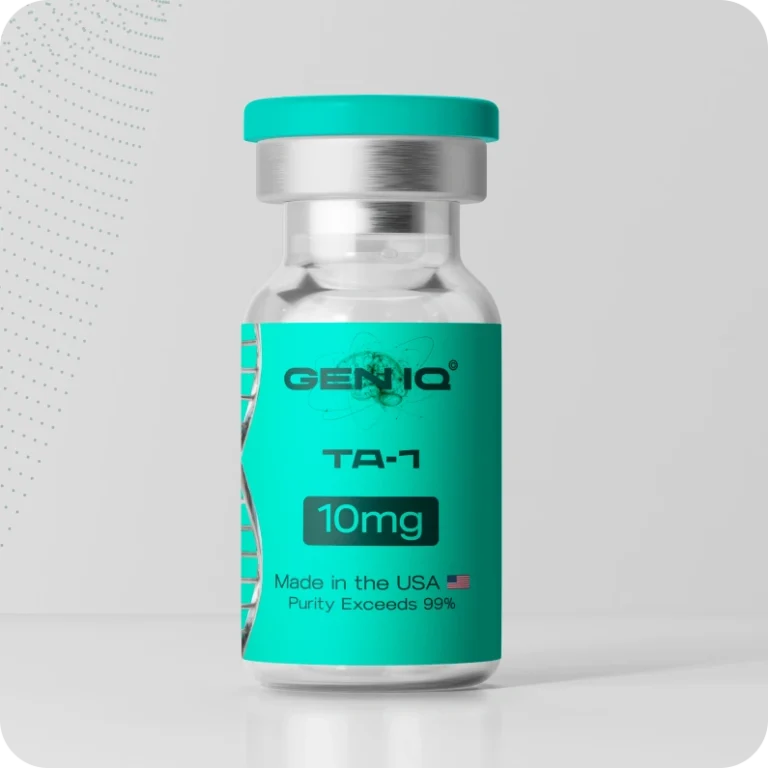
TA-1 (Thymosin Alpha-1) — 10mg
$199.99TA-1, also known as Thymosin Alpha-1, is a synthetic version of a naturally occurring thymic peptide involved in immune signaling and cellular-regulation pathways.
Researchers study TA-1 for its role in immune-system communication, cytokine modulation, cellular protection mechanisms, and stress-response behavior.
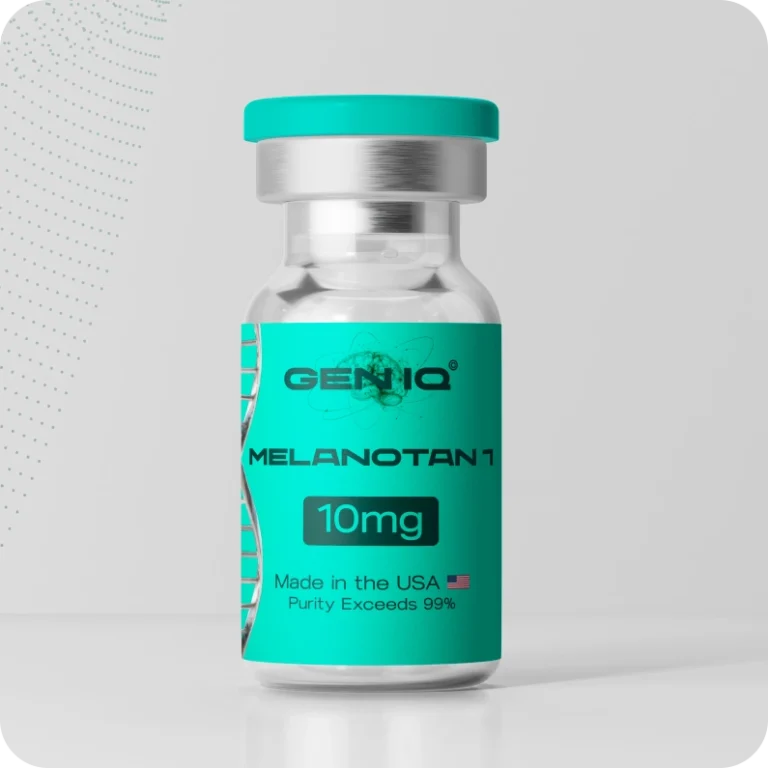
Melanotan 1 — 10mg
$79.99Melanotan 1 (also known as Afamelanotide’s research predecessor) is a synthetic analog of the alpha-melanocyte–stimulating hormone (α-MSH).
Researchers study Melanotan 1 for its interactions with melanocortin receptors, pigmentation-related pathways, and signaling mechanisms involved in skin biology.
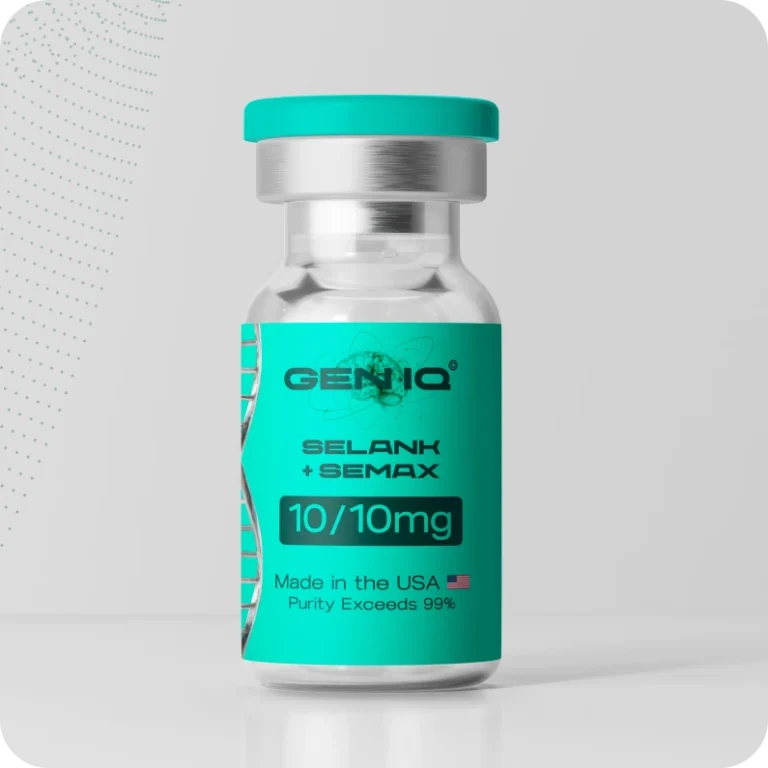
Selank + Semax (10/10mg)
$199.99Selank + Semax is a dual-peptide research blend combining a synthetic analog of the immunomodulatory peptide tuftsin (Selank) with a synthetic analog of the ACTH(4-10) fragment (Semax).
Researchers use this combination to study neuropeptide signaling, neurotrophic-factor expression, and GABAergic and monoaminergic pathway modulation under controlled laboratory conditions.
This compound is provided by GENIQ exclusively for scientific research and not for human or animal use.
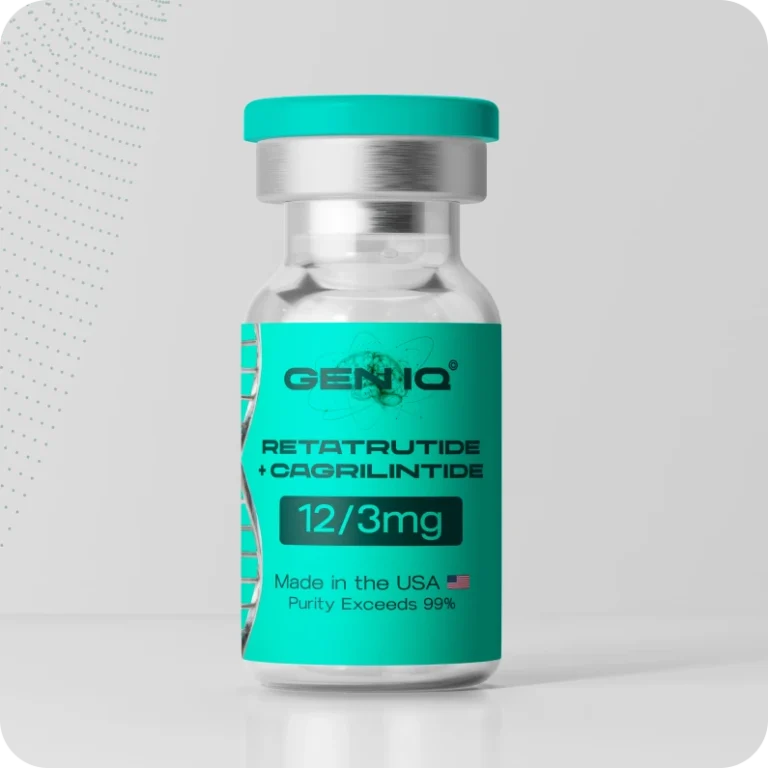
Retatrutide / Cagrilintide (12mg / 3mg)
$199.99Retatrutide / Cagrilintide is a dual-peptide research blend combining a GIP/GLP-1/glucagon triple-receptor agonist (Retatrutide) with a long-acting amylin analog (Cagrilintide).
Researchers use this combination to study the interaction between incretin-receptor signaling and amylin-receptor pathways under controlled laboratory conditions.
This compound is provided by GENIQ exclusively for scientific research and not for human or animal use.
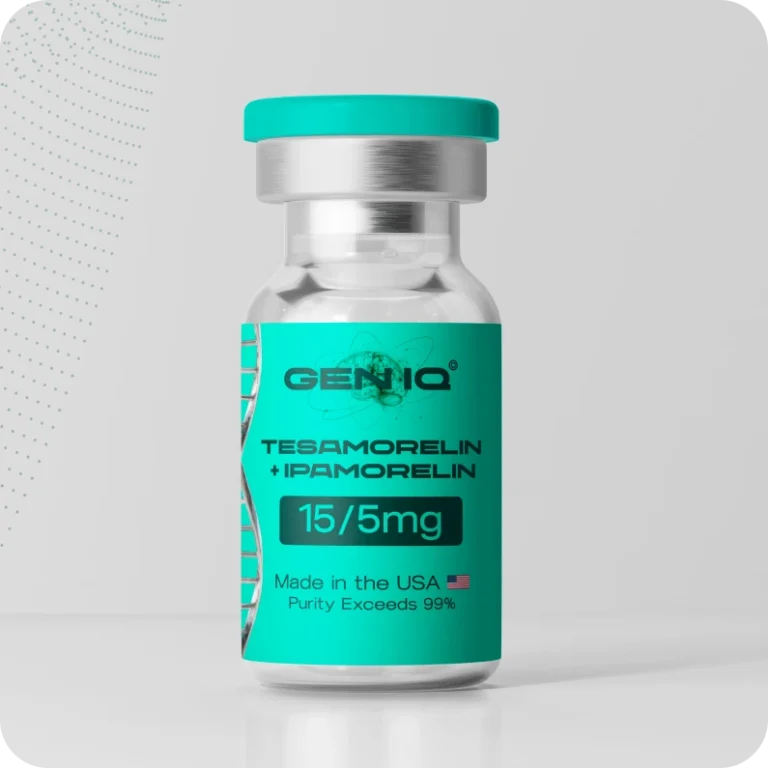
Tesamorelin / Ipamorelin (15mg / 5mg)
$249.99Tesamorelin / Ipamorelin is a dual-peptide research blend combining a stabilized growth hormone-releasing hormone analog (Tesamorelin) with a selective growth hormone secretagogue receptor peptide (Ipamorelin).
Researchers use this combination to study the interaction between GHRH-receptor signaling and ghrelin-receptor pathways under controlled laboratory conditions.
This compound is provided by GENIQ exclusively for scientific research and not for human or animal use.
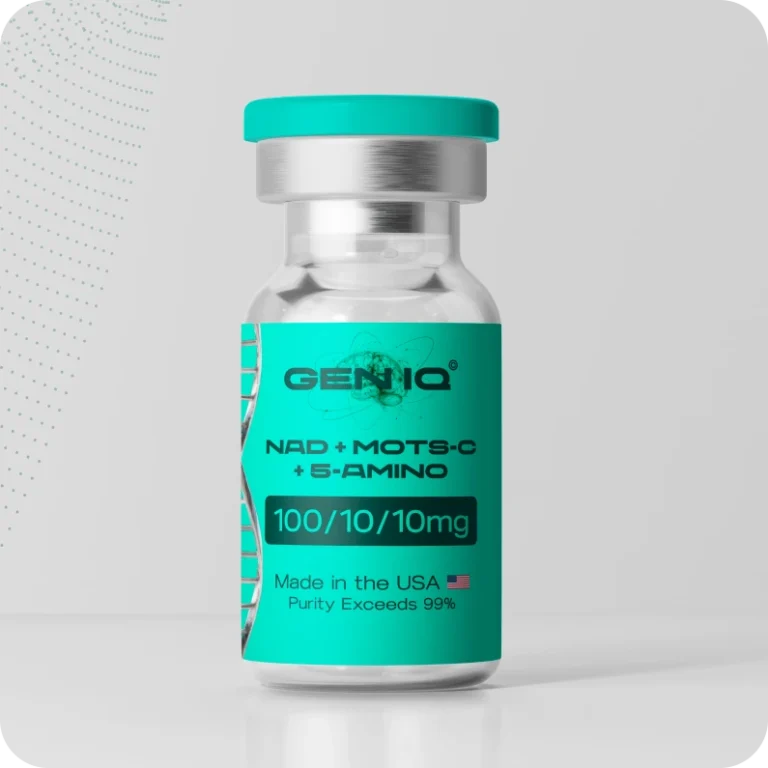
NAD+ / MOTS-c / 5-Amino-1MQ (100mg / 10mg / 10mg)
$249.99NAD+ / MOTS-c / 5-Amino-1MQ is a triple-compound research blend combining a central redox coenzyme (NAD+), a mitochondrial-derived peptide (MOTS-c), and a small-molecule NNMT inhibitor (5-Amino-1MQ).
Researchers use this combination to study mitochondrial function, cellular energy metabolism, and NAD+-dependent signaling under controlled laboratory conditions.
This compound is provided by GENIQ exclusively for scientific research and not for human or animal use.