Sort by
TA-1 (Thymosin Alpha-1) — 10mg
$199.99TA-1, also known as Thymosin Alpha-1, is a synthetic version of a naturally occurring thymic peptide involved in immune signaling and cellular-regulation pathways.
Researchers study TA-1 for its role in immune-system communication, cytokine modulation, cellular protection mechanisms, and stress-response behavior.
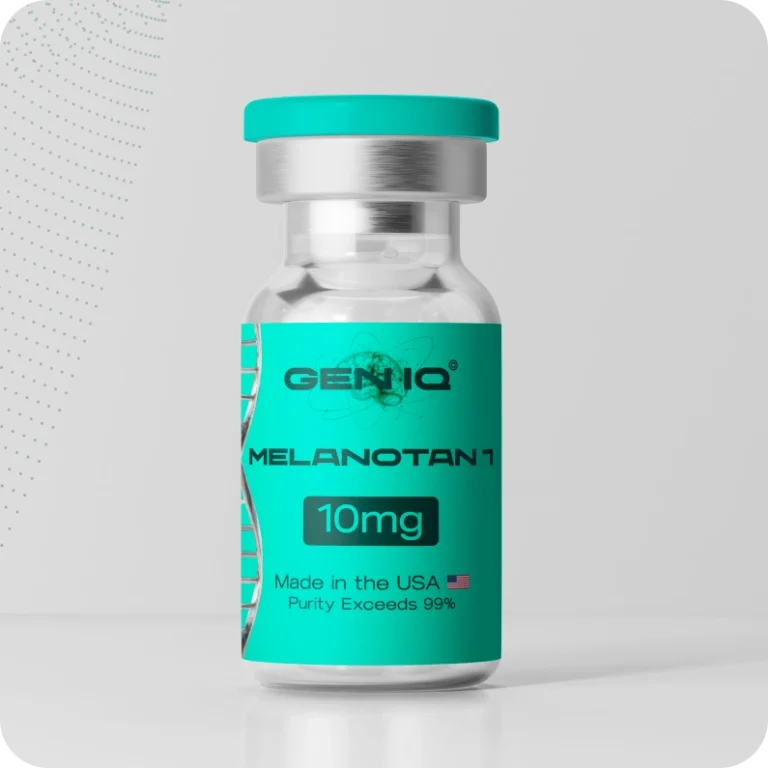
Melanotan 1 — 10mg
$79.99Melanotan 1 (also known as Afamelanotide’s research predecessor) is a synthetic analog of the alpha-melanocyte–stimulating hormone (α-MSH).
Researchers study Melanotan 1 for its interactions with melanocortin receptors, pigmentation-related pathways, and signaling mechanisms involved in skin biology.
IGF-1 LR3 — 1mg
$149.99IGF-1 LR3 (Insulin-Like Growth Factor-1 Long R3) is a modified analog of IGF-1 engineered to exhibit increased stability and extended activity in laboratory research environments.
It differs from native IGF-1 by the addition of an arginine substitution at position 3 and an extended peptide chain, enhancing its resistance to binding proteins and degradation.
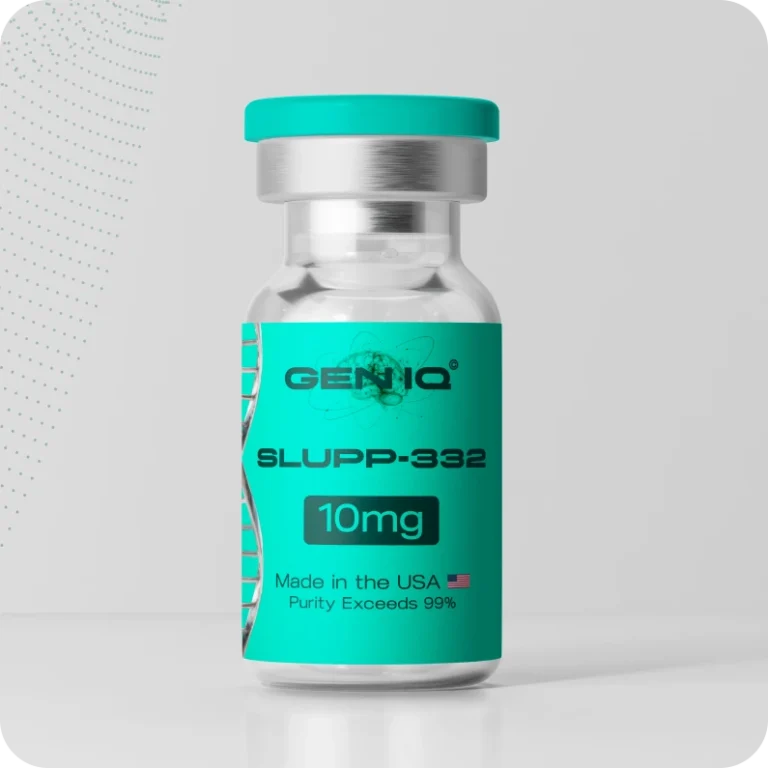
SLUPP-332 — 10mg
$149.99SLUPP-332 is a synthetic small-molecule research compound studied for its role in metabolic regulation and nuclear receptor signaling pathways. It is associated with the activation of estrogen-related receptors (ERRs), which are involved in cellular energy metabolism and mitochondrial function.
Researchers evaluate SLUPP-332 in laboratory settings to understand how nuclear receptor modulation influences energy utilization, endurance-related signaling, and metabolic efficiency.
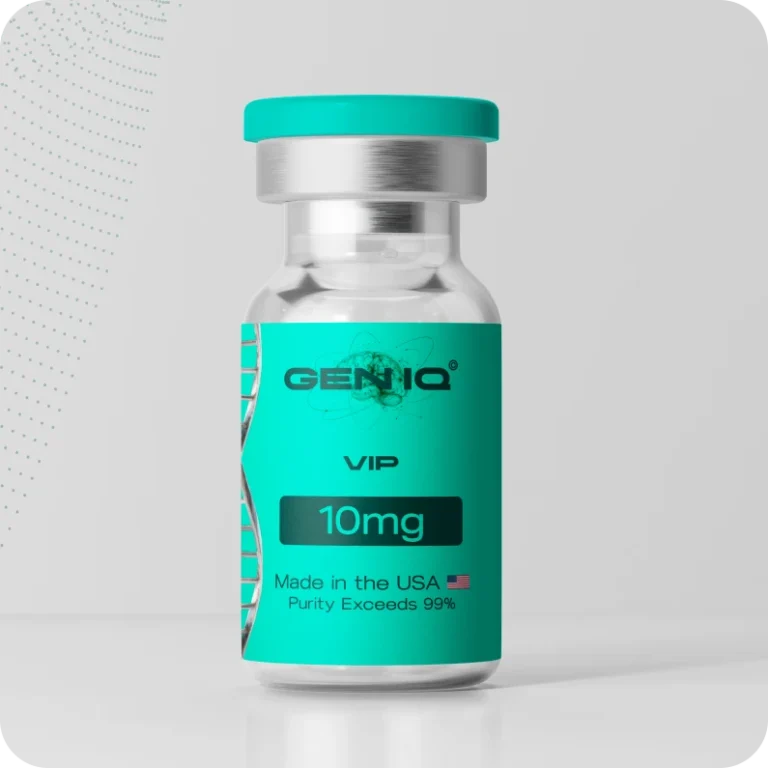
Vip (10mg)
$199.99VIP (Vasoactive Intestinal Peptide) is a naturally occurring neuropeptide composed of 28 amino acids. It is widely studied in molecular biology, neuroendocrine signaling, and immune-system research due to its role in cellular communication and receptor-mediated signaling pathways.
VIP interacts with specific G-protein–coupled receptors (VPAC1 and VPAC2), which are distributed throughout the nervous system, gastrointestinal tract, and immune tissues. Because of these interactions, VIP is frequently examined in studies involving neurotransmission, inflammatory signaling, and smooth muscle regulation.
GENIQ supplies VIP strictly for laboratory research only—not for human or animal use.
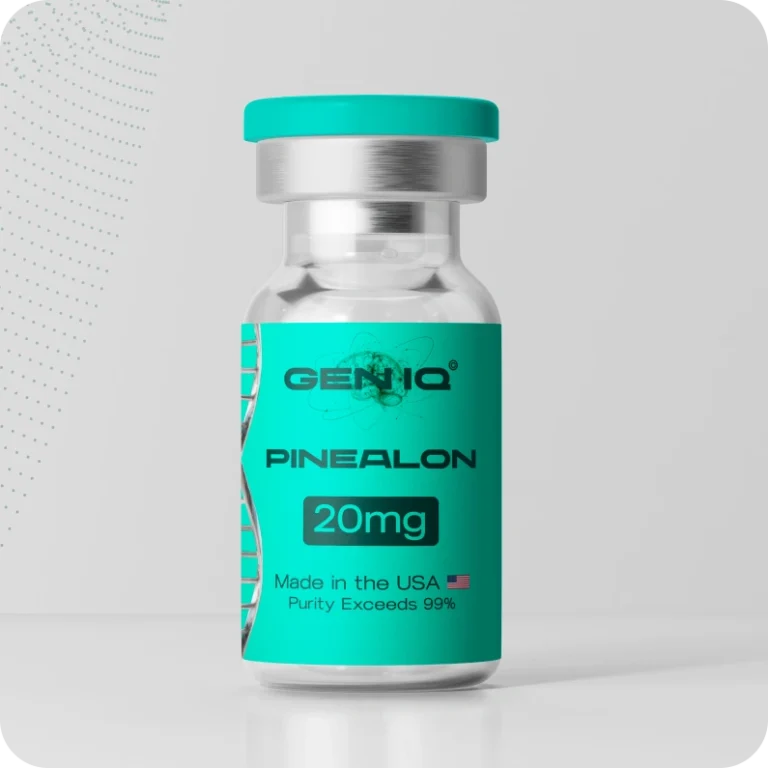
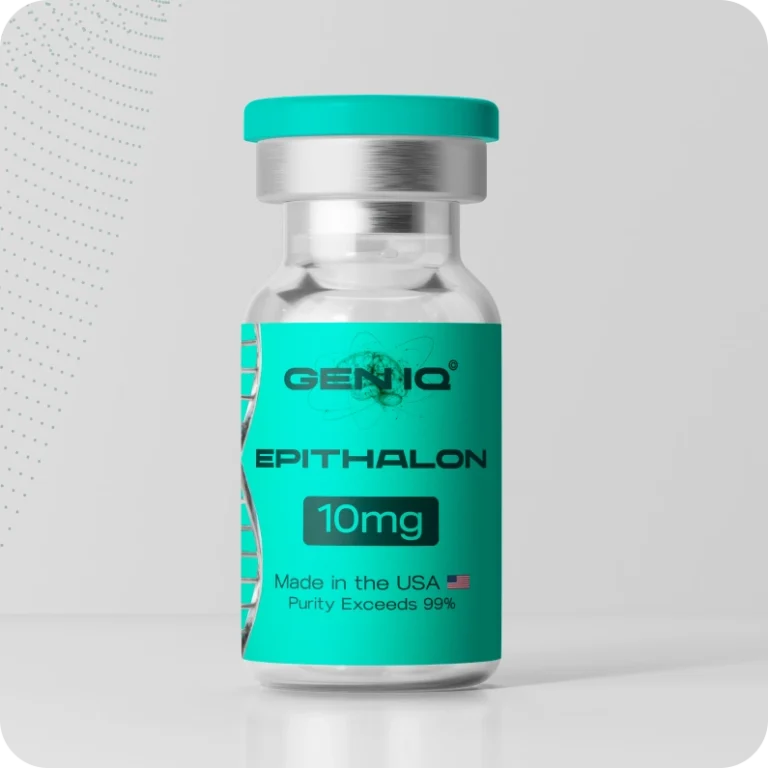
Epitalon / Pinealon (30mg / 15mg)
$249.99Epitalon and Pinealon are short regulatory peptides commonly studied in aging, neurobiology, and cellular-regulation research.
Epitalon is a synthetic tetrapeptide associated with telomerase-related and circadian-regulation models, while Pinealon is a tripeptide studied for its involvement in neurobiological signaling and gene-expression pathways.
When combined in laboratory research, these peptides are evaluated for their complementary roles in cellular aging models, stress-response pathways, and neuroregulatory systems.
SS-31 — 10mg
$159.99SS-31 (also known as Elamipretide in research contexts) is a synthetic tetrapeptide designed to target the inner mitochondrial membrane.
It binds to cardiolipin, a key phospholipid required for mitochondrial structural integrity and energy production.
Researchers study SS-31 for its involvement in mitochondrial stability, oxidative-stress responses, and cellular energy pathways.
PT-141 — 10mg
$89.99PT-141 (Bremelanotide) is a synthetic melanocortin analog developed from the peptide Melanotan 2.
Researchers study PT-141 for its interactions with melanocortin receptors—especially MC3R and MC4R—which are involved in neurobiological, behavioral, and signaling pathways.
LL-37 — 4mg
$179.99LL-37 is a human cathelicidin-derived antimicrobial peptide naturally produced by immune cells, epithelial cells, and various tissues.
It is the only known human cathelicidin and plays a significant role in innate immune defense.
In research environments, LL-37 is studied for its interactions with microbial membranes, immune signaling pathways, wound environments, and inflammatory responses.
Ipamorelin — 10mg
$102.99Ipamorelin is a selective growth hormone secretagogue receptor (GHSR) agonist belonging to the class of pentapeptide secretagogues.
Researchers study this compound to understand its interaction with ghrelin receptors, its receptor-specific signaling activity, and its influence on pituitary somatotroph pathways.
GENIQ provides Ipamorelin strictly for laboratory research—not for human or animal use.