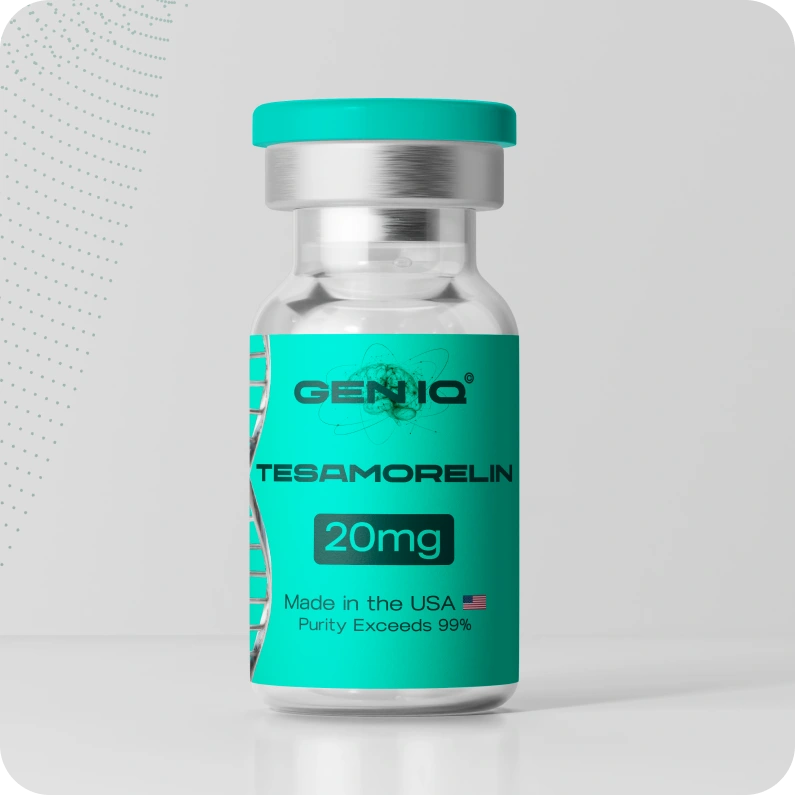
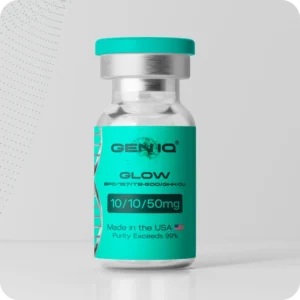
TES Research Compound (20mg)
For Research Use Only — Not for Human Use
Intended for laboratory research use only (e.g., analytical and in-vitro studies). Not for human use.
TES is a synthetic peptide analog of Growth Hormone–Releasing Hormone (GHRH), specifically engineered as a stabilized form of GHRH 1–44.
Researchers study TES for its interactions with GHRH receptors, growth-hormone signaling pathways, metabolic activity, and endocrine regulation models.
GENIQ provides TES exclusively for scientific research—not for human or animal use.
$249.99

-
 Official retailer
 -
Quality guaranteed

-
Free delivery from $99
-
Free returns is available
What Is TES?
TES is a synthetic peptide analog of Growth Hormone–Releasing Hormone (GHRH), specifically engineered as a stabilized form of GHRH 1–44.
Researchers study TES for its interactions with GHRH receptors, growth-hormone signaling pathways, metabolic activity, and endocrine regulation models.
GENIQ provides TES exclusively for scientific research—not for human or animal use.
Peptide Overview
TES is designed to enhance stability and receptor-binding potential compared to native GHRH, making it a useful tool in metabolic and endocrine research.
In laboratory environments, TES is often examined for how it may promote changes in:
| GHRH receptor activation |
| Growth hormone (GH)–related molecular pathways |
| IGF-1–associated biochemical responses |
| Lipid-metabolism models |
| Endocrine axis communication (hypothalamus–pituitary pathways) |
| Gene-expression activity regulated by GH signaling |
| Metabolic and cellular growth pathways |
| All findings are restricted to controlled non-clinical research models. |
All findings remain limited to preclinical and in-vitro experimental environments.
History of TES
TES was developed in the early 2000s through targeted modifications of native GHRH, specifically adding a trans-3-hexenoic acid group to improve peptide stability.
Its structure enables prolonged interaction with GHRH receptors, making it useful in endocrine and metabolic research applications.
TES has since been used in studies involving:
| Growth-hormone secretion pathways |
| Metabolic signaling and adipose-tissue biochemical processes |
| Endocrine-regulation models |
| Hypothalamic–pituitary axis research |
| Gene-transcription mapping in GH-responsive tissues |
| Its enhanced stability differentiates it from other GHRH analogs used in research. |
Peptide Structure
Sequence (GHRH 1–44 analog with stabilization): Tyr-Ala-Asp-Ala-Ile-Phe-Thr-Asn-Ser-Tyr-Arg-Lys-Val-Leu-Gly-Gln-Leu-Ser-Ala-Arg-Lys-Leu-Leu-Gln-Asp-Ile-Met-Ser-Arg-Gln-Gln-Gly-Gln-Gly-Ser-Asn-Ser-Gln-Glu-Gln-Lys-Glu-Ser-Phe
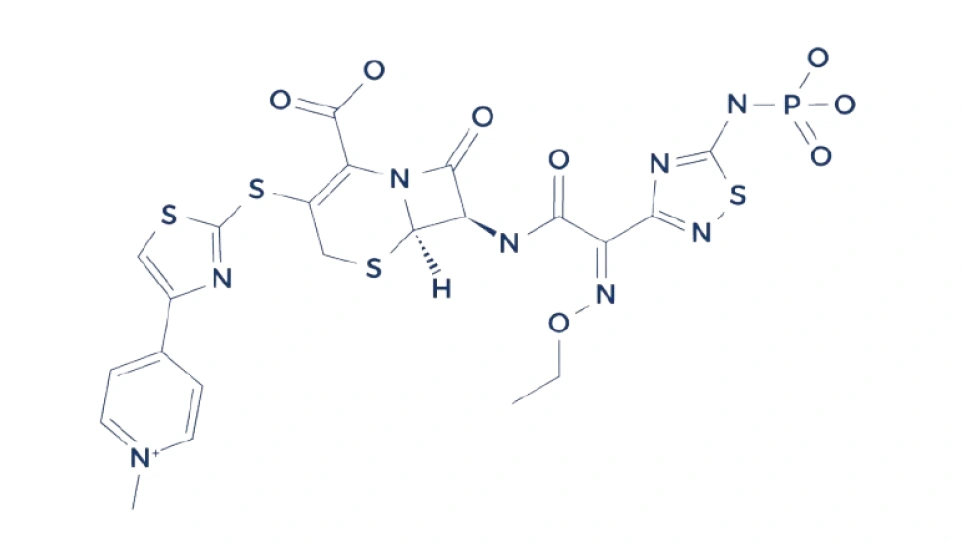
Certificates of Analysis
TES — 20mg
Research Findings
Research involving TES frequently explores:
| GHRH receptor signaling: TES is widely used to evaluate activation patterns and downstream GH/IGF-1 pathways. |
| Metabolic studies: Research evaluates how GH-related signaling influences lipid metabolism and energy regulation. |
| Endocrine axis investigations: Studies examine the relationship between hypothalamic, pituitary, and peripheral tissues under peptide stimulation. |
| Cell-growth and gene-expression models: TES is included in research examining transcriptional shifts associated with GH pathways. |
| Body-composition biochemical markers: Laboratory models track changes in metabolic enzymes, lipolysis pathways, and tissue-specific molecular activity. |
| Regulation of GH-related hormones: Research assesses behavior of IGF-1 and other growth-related biochemical signals. |
| These findings are limited to scientific research and do not imply therapeutic outcomes. |
These findings reflect laboratory experiments only and do not indicate clinical outcomes.
References
2. Metabolic Regulation Institute. “TES interactions in lipid and endocrine models.”
3. Hormone Pathway Laboratory. “Growth-hormone–related molecular mapping in peptide-driven studies.”
4. Gene-Expression Research Consortium. “Transcriptional effects of GHRH analogs in controlled environments.”
FAQ
Are GENIQ peptides pharmaceutical products?
No. They are not drugs, supplements, or therapeutic items. All compounds are provided strictly for laboratory research.
Who should purchase GENIQ research materials?
Qualified researchers, laboratories, and institutions working within applicable laws and regulations.
Do orders include COAs?
Yes. Each peptide includes a Certificate of Analysis confirming identity and purity testing when available for that lot.
What handling notes does GENIQ provide?
Only storage temperature and solvent-compatibility notes when listed on the product page. GENIQ does not provide guidance on preparation or application. Buyers follow their institution’s laboratory protocols.
Are these products for human use?
No. For Research Use Only — Not for Human Use. Not for human or animal consumption.
For Research Use Only — Not for Human Use
Sold exclusively as laboratory research materials. Not for human or animal consumption, clinical use, or household use.
Intended research use: Laboratory and in-vitro research, including analytical characterization and pathway / receptor-binding studies as applicable to this compound. Not for human consumption, clinical use, or diagnostic use on humans.
TES is a synthetic peptide analog of Growth Hormone–Releasing Hormone (GHRH), specifically engineered as a stabilized form of GHRH 1–44.
Researchers study TES for its interactions with GHRH receptors, growth-hormone signaling pathways, metabolic activity, and endocrine regulation models.
GENIQ provides TES exclusively for scientific research—not for human or animal use.
RELATED PRODUCTS