



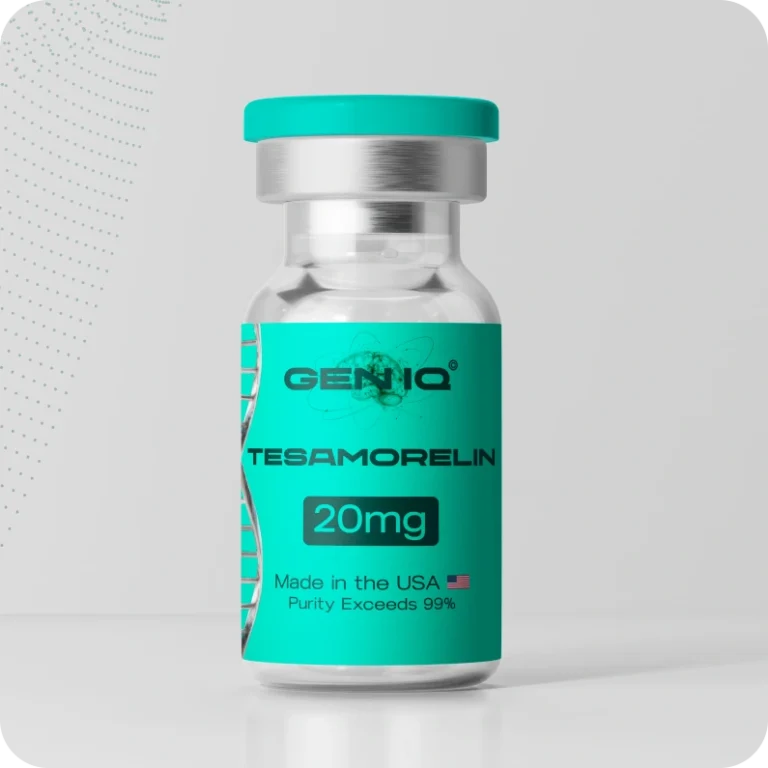
Tesamorelin (20mg)
$249.99Tesamorelin is a synthetic peptide analog of Growth Hormone–Releasing Hormone (GHRH), specifically engineered as a stabilized form of GHRH 1–44.
Researchers study Tesamorelin for its interactions with GHRH receptors, growth-hormone signaling pathways, metabolic activity, and endocrine regulation models.
GENIQ provides Tesamorelin exclusively for scientific research—not for human or animal use.
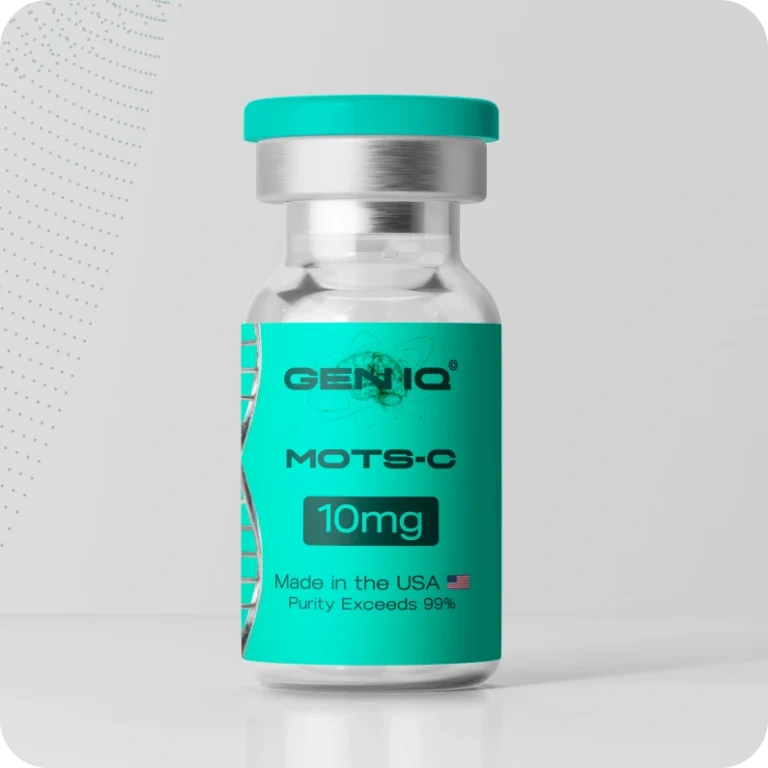
MOTS-c
Price range: $99.99 through $249.99MOTS-c (Mitochondrial-Derived Peptide c) is a short peptide encoded within mitochondrial DNA, rather than nuclear DNA like most human peptides.
Researchers study MOTS-c for its role in cellular metabolism, mitochondrial communication, energy regulation, stress responses, and metabolic-signaling pathways.
GENIQ supplies MOTS-c exclusively for laboratory research—not for human or animal use.
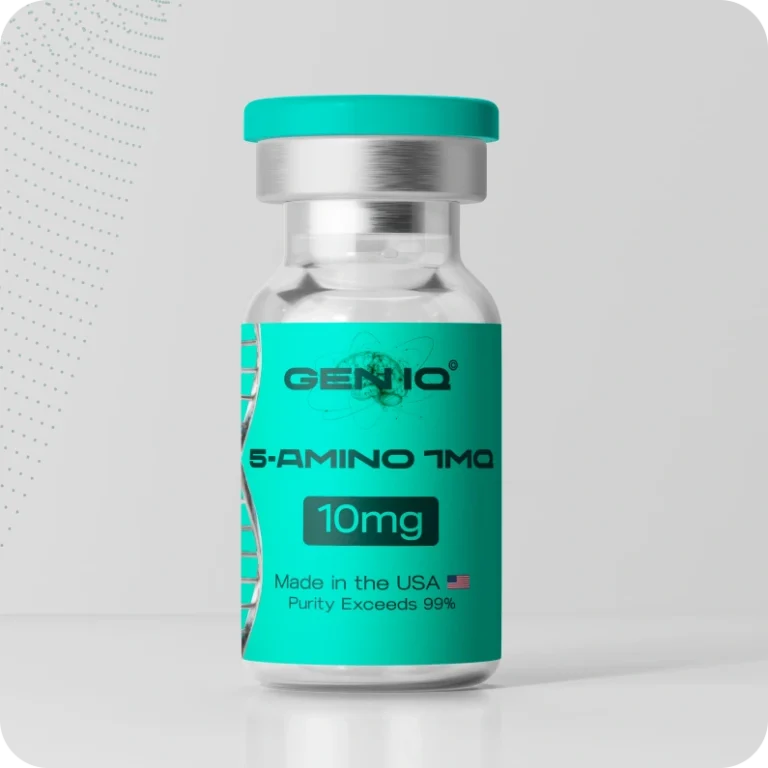
5-Amino-1MQ
Price range: $99.99 through $249.995-Amino-1MQ (5-Amino-1-methylquinolinium) is a small-molecule research compound studied for its role in cellular metabolism, NAD⁺ regulation pathways, and enzyme-inhibition models.
Researchers frequently evaluate its interaction with NNMT (Nicotinamide N-methyltransferase)—an enzyme associated with metabolic rate, adipocyte biochemistry, and cellular energy processes.
GENIQ supplies 5-Amino-1MQ strictly for scientific research—not for human or animal use.
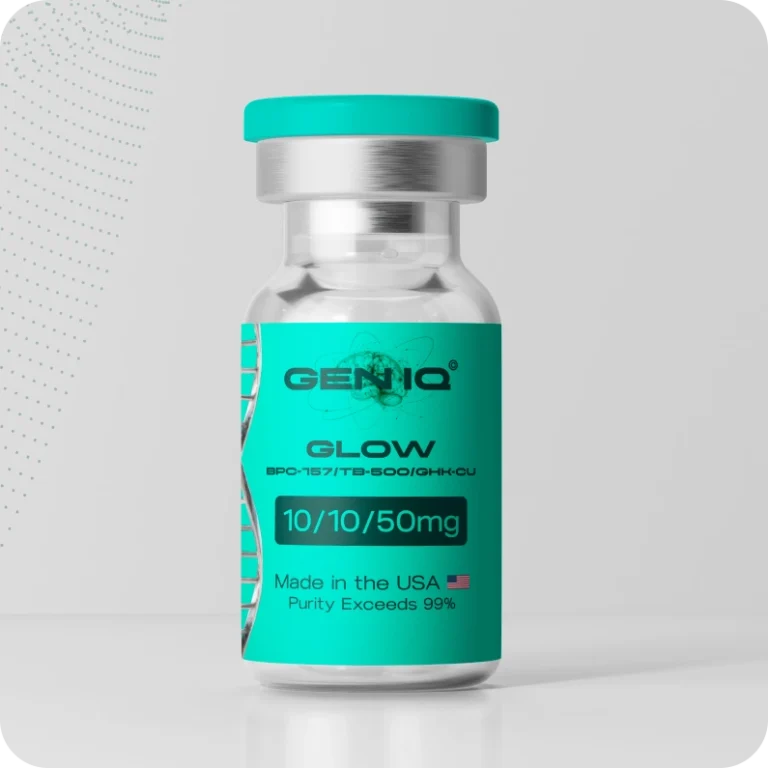
GLOW BPC-157 / TB-500 / GHK-Cu (10mg / 10mg / 50mg)
$239.99This research blend combines three widely studied peptides: BPC-157, TB-500, and GHK-Cu.
Each compound has been individually investigated for its interactions with biological pathways related to cellular repair, structural tissue regulation, angiogenesis, and inflammatory signaling.
Together, this combination is used in laboratory settings to explore how multiple signaling mechanisms behave when studied simultaneously.
GENIQ provides this blend strictly for scientific research—not for human or animal use.
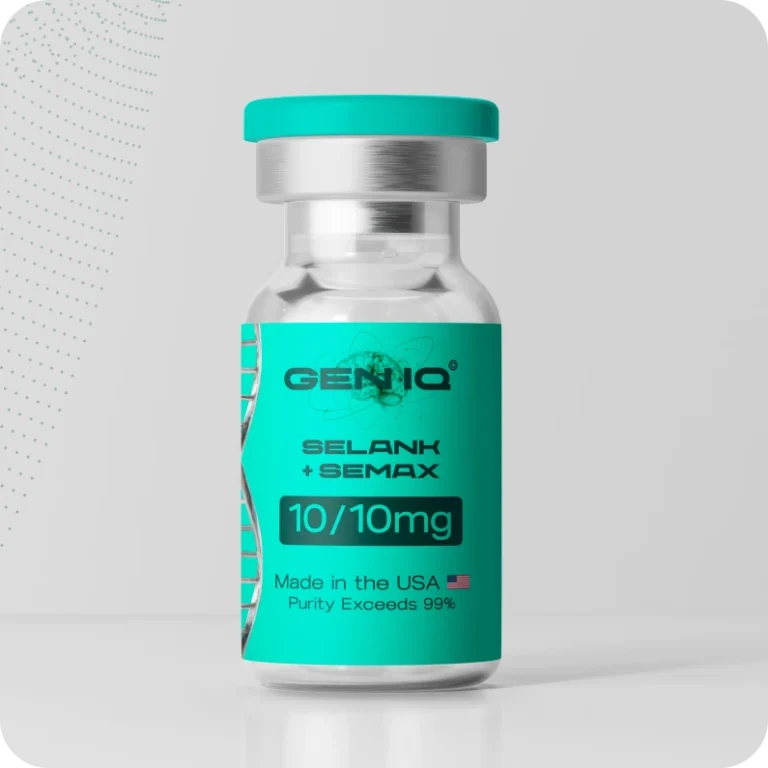
Selank + Semax (10/10mg)
$199.99Selank + Semax is a dual-peptide research blend combining a synthetic analog of the immunomodulatory peptide tuftsin (Selank) with a synthetic analog of the ACTH(4-10) fragment (Semax).
Researchers use this combination to study neuropeptide signaling, neurotrophic-factor expression, and GABAergic and monoaminergic pathway modulation under controlled laboratory conditions.
This compound is provided by GENIQ exclusively for scientific research and not for human or animal use.
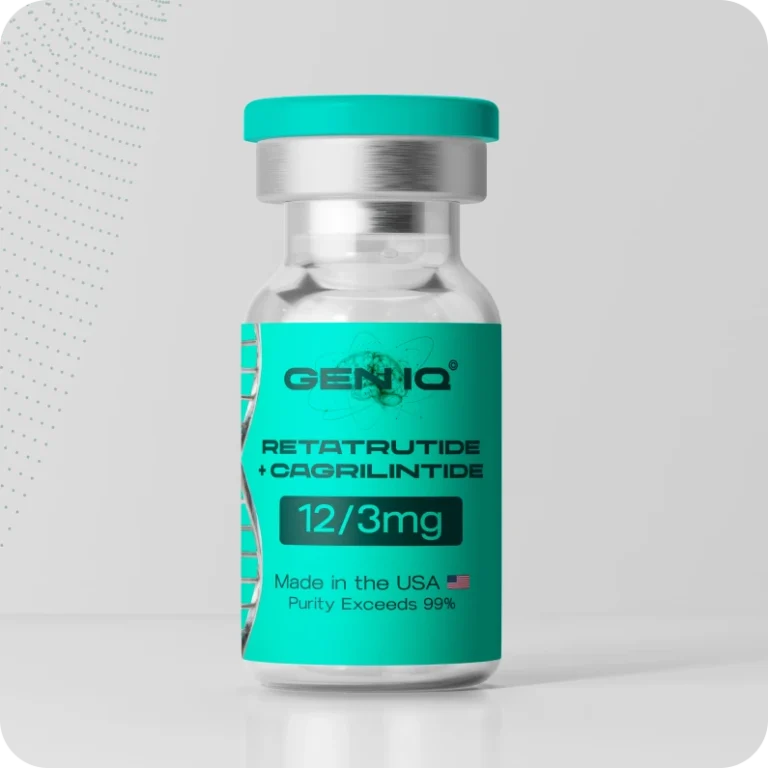
Retatrutide / Cagrilintide (12mg / 3mg)
$199.99Retatrutide / Cagrilintide is a dual-peptide research blend combining a GIP/GLP-1/glucagon triple-receptor agonist (Retatrutide) with a long-acting amylin analog (Cagrilintide).
Researchers use this combination to study the interaction between incretin-receptor signaling and amylin-receptor pathways under controlled laboratory conditions.
This compound is provided by GENIQ exclusively for scientific research and not for human or animal use.
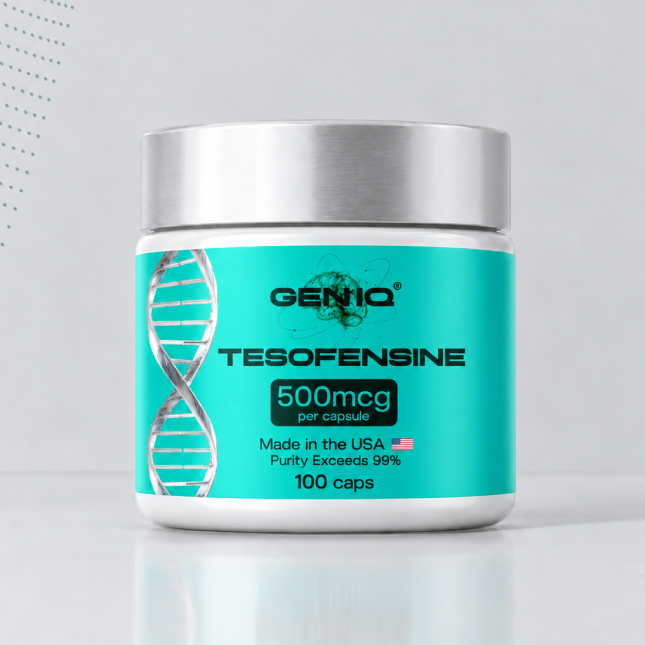
Tesofensine Caps (500mcg)
$199.99Tesofensine is a synthetic small-molecule research compound studied for its effects on monoamine reuptake and appetite-related signaling pathways. This capsule format delivers Tesofensine in a stabilized oral dosage form for laboratory research use.
Tesofensine is examined in laboratory settings for its triple monoamine reuptake inhibition (dopamine, noradrenaline, and serotonin), which influences hypothalamic appetite-regulation circuits.
GENIQ supplies Tesofensine Caps strictly for laboratory research only—not for human or animal use.
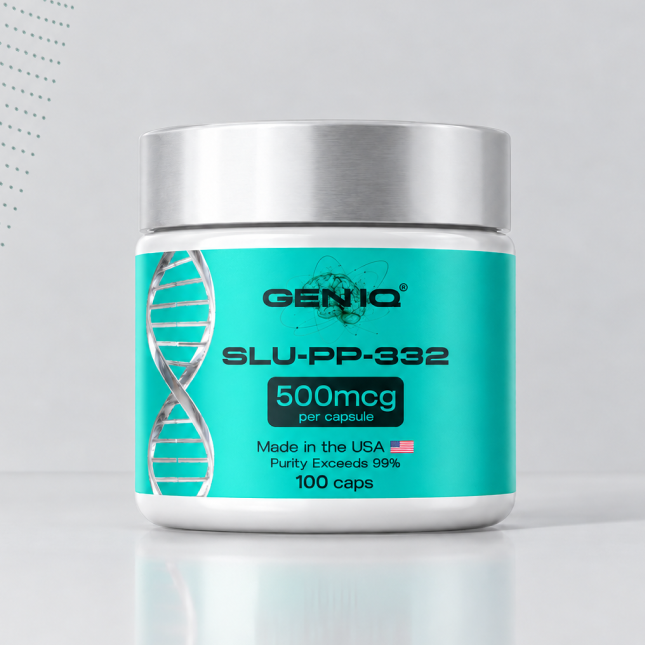
SLU-PP-332 Caps (500mcg)
$199.99SLU-PP-332 is a synthetic small-molecule research compound studied for its role in metabolic regulation and nuclear receptor signaling pathways. This capsule format delivers SLU-PP-332 in a stabilized oral dosage form for laboratory research use.
SLU-PP-332 is examined in laboratory settings for its connection to estrogen-related receptor (ERR) activation, which influences cellular energy metabolism and mitochondrial function.
GENIQ supplies SLU-PP-332 Caps strictly for laboratory research only—not for human or animal use.
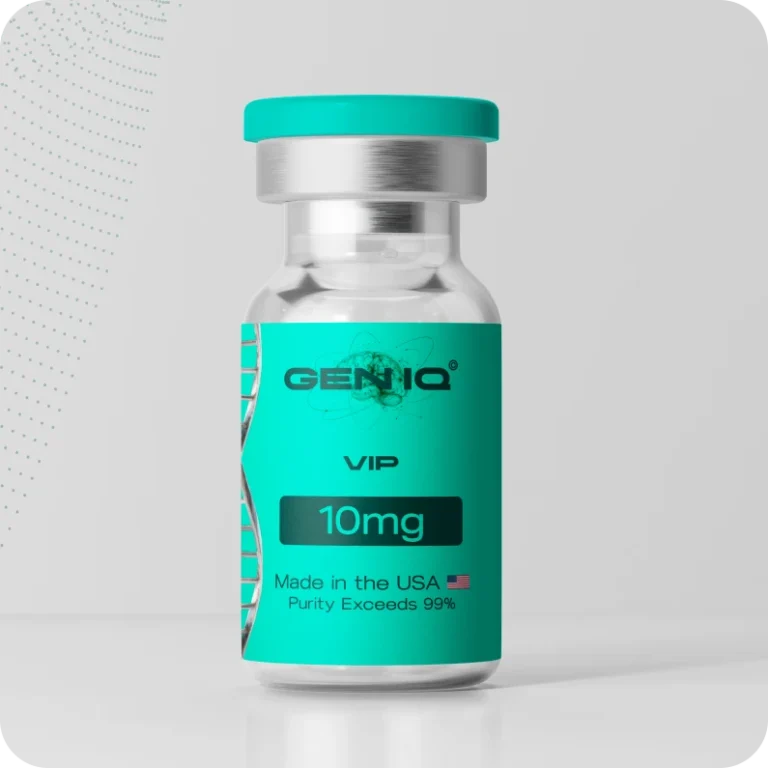
Vip (10mg)
$199.99VIP (Vasoactive Intestinal Peptide) is a naturally occurring neuropeptide composed of 28 amino acids. It is widely studied in molecular biology, neuroendocrine signaling, and immune-system research due to its role in cellular communication and receptor-mediated signaling pathways.
VIP interacts with specific G-protein–coupled receptors (VPAC1 and VPAC2), which are distributed throughout the nervous system, gastrointestinal tract, and immune tissues. Because of these interactions, VIP is frequently examined in studies involving neurotransmission, inflammatory signaling, and smooth muscle regulation.
GENIQ supplies VIP strictly for laboratory research only—not for human or animal use.
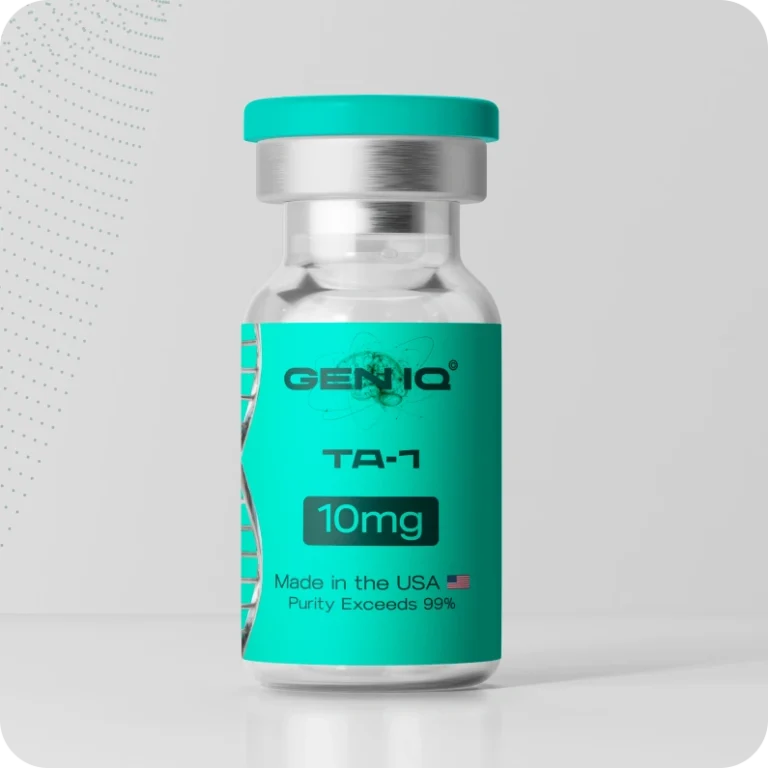
TA-1 (Thymosin Alpha-1) — 10mg
$199.99TA-1, also known as Thymosin Alpha-1, is a synthetic version of a naturally occurring thymic peptide involved in immune signaling and cellular-regulation pathways.
Researchers study TA-1 for its role in immune-system communication, cytokine modulation, cellular protection mechanisms, and stress-response behavior.
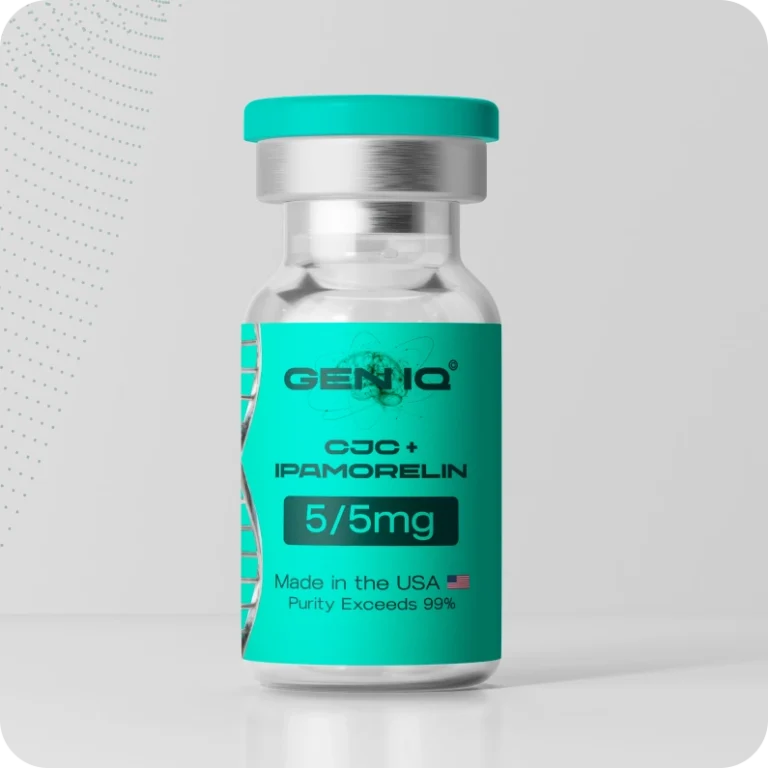
CJC-1295 (No DAC) / Ipamorelin
Price range: $139.99 through $199.99CJC-1295 (No DAC) / Ipamorelin is a dual-peptide research blend combining a modified growth hormone–releasing hormone analog (CJC-1295 No DAC) with a selective growth hormone secretagogue receptor peptide (Ipamorelin).
Researchers use this combination to study the interaction between GHRH-related signaling and ghrelin-receptor pathways under controlled laboratory conditions.
This compound is provided by GENIQ exclusively for scientific research and not for human or animal use.
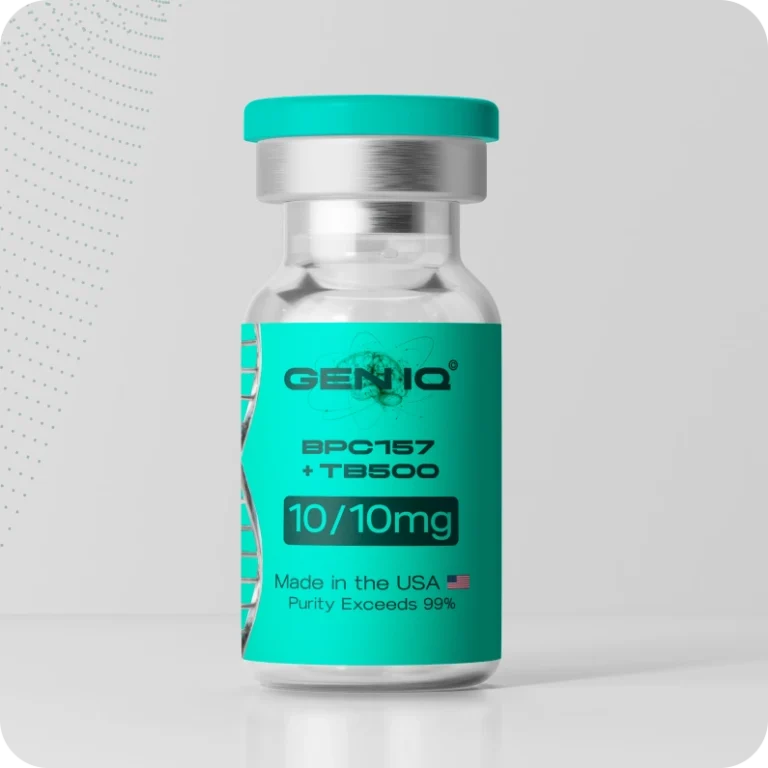
BPC-157 / TB-500
Price range: $149.99 through $199.99BPC-157 / TB-500 is a research peptide blend combining two widely studied compounds: BPC-157, a gastric-derived peptide fragment, and TB-500, a synthetic analog of thymosin beta-4 sequences.
Researchers study this combination for its potential influence on cellular repair dynamics, angiogenic pathways, inflammatory processes, and tissue-architecture regulation.
GENIQ supplies this peptide blend strictly for scientific research and not for human or animal use.