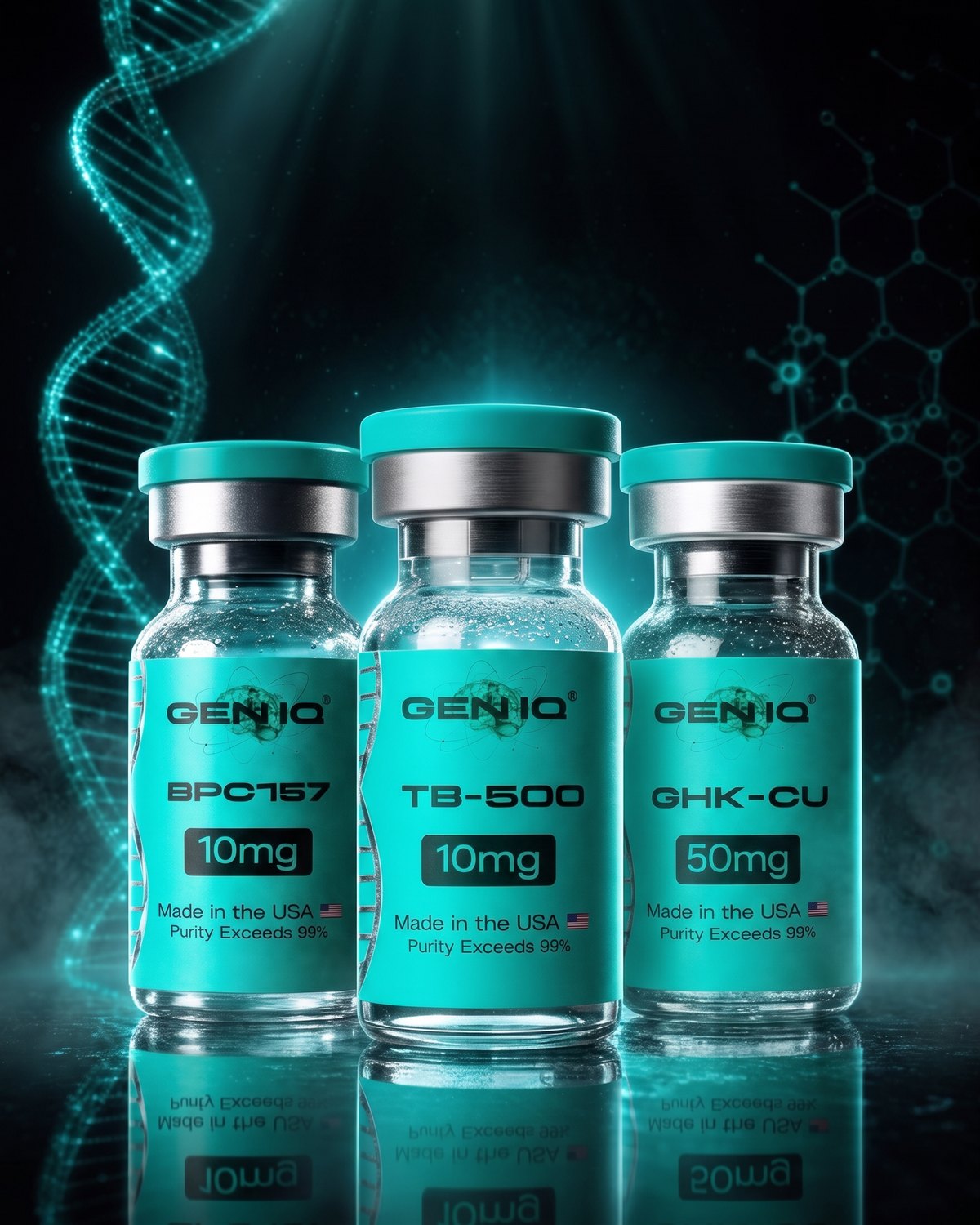
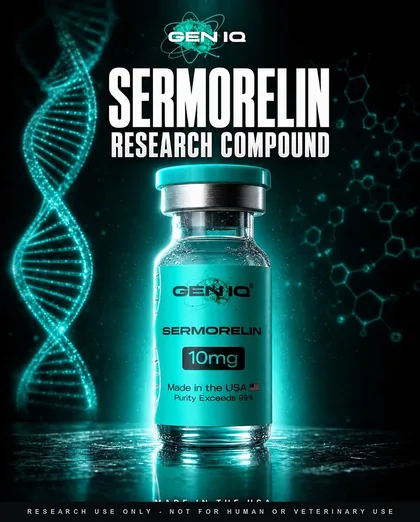
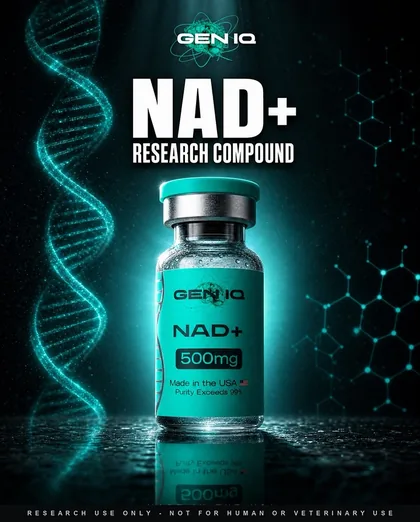
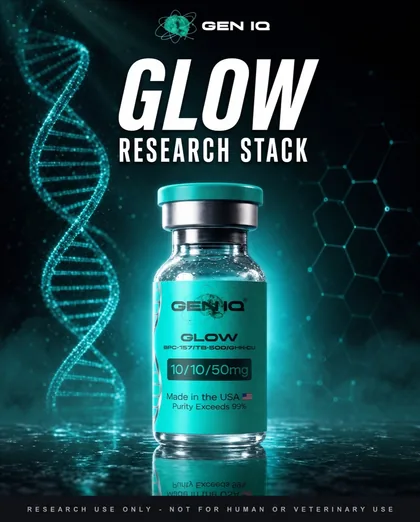
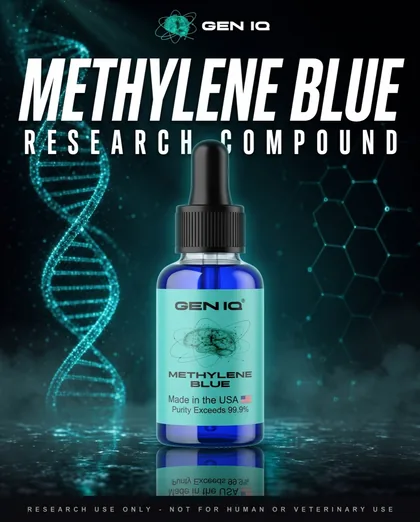
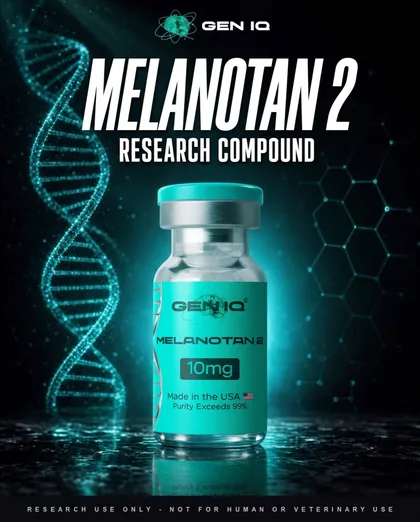
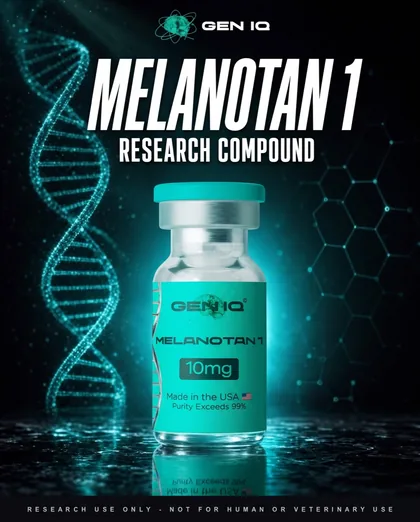
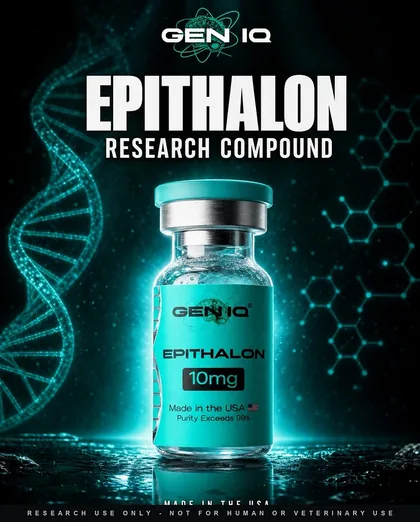
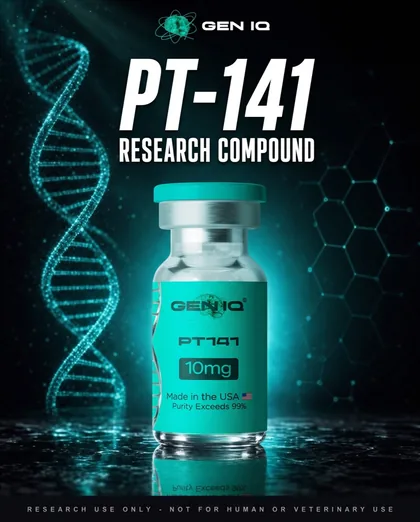
“Research-grade” gets stamped on a lot of vials. The problem: in most markets the phrase isn't a regulated standard, so two products can carry the same words and mean completely different things. When the compound isthe variable you're studying, that gap matters. Here's how to read past the label.
The term isn't regulated — so the documentation is the standard
There is no universal certifying body that audits the words “research-grade.” That means the phrase is only ever as trustworthy as the evidence a vendor puts behind it. In practice the honest version of “research-grade” isn't a marketing claim at all — it's a set of documents you can actually inspect.
If a label says “research-grade” but can't show you the testing, it's a word, not a spec.
The three things research-grade should always mean
Across the published literature on compound characterization, three properties come up again and again. A serious supplier documents all three:
- What it is — the compound named on the label, and nothing substituted for it.
- Where it was made — a manufacturing origin the seller will actually name.
- Where it was manufactured — a straight answer, not a country of incorporation.
Miss any one and “research-grade” loses its meaning. A pure sample of the wrong molecule is still the wrong molecule; a molecule of unknown origin is still an unknown.
Why provenance is the question worth asking
The question worth putting to a supplier is a simple one: where was this made, and can you tell me which run it came from. The reason isn't bragging rights — it's that unknowns are uncontrolled variables. The literature on reproducibility is consistent on one point: the fewer unknowns in your material, the cleaner your conclusions.
Origin and lot tracking are the two unknowns a supplier can actually remove for you, and they are the two we do remove. Anything a seller cannot show you, they should say so plainly rather than gesture at.
Identity: knowing the molecule is the molecule
Purity tells you how much of the sample is one thing; identity tells you whatthat thing is. Mass spectrometry measures the molecular weight of the compound and confirms it matches the structure on the label. For peptides — short chains of amino acids studied widely in the literature — a single substitution changes the molecule entirely, which is exactly why identity confirmation sits alongside purity rather than replacing it.
How we handle it
The final piece is provenance you can actually check. A manufacturer who will tell you where it was made, on the vial ties the thing in your hand to the run it was made in — and that matters because origin is a property of a production run, not of a brand name.
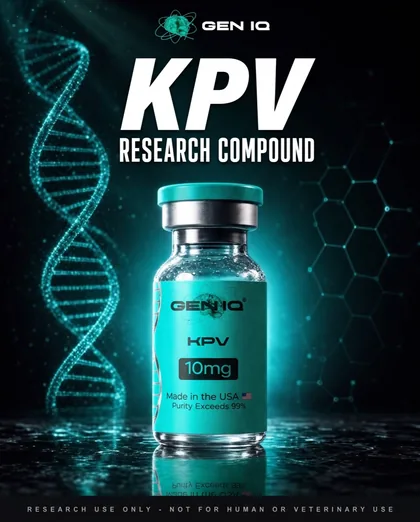
We will tell you plainly what we do and what we don't. GEN IQ compounds are made in the USA and checked before they ship, recorded against the run they were made in on the vial. We don't issue a lab document and we don't quote you a figure. A supplier who tells you exactly where the line is drawn is a more useful supplier than one who implies there is no line at all.
If you want a checklist for putting a supplier through this test, the vendor-vetting guide turns these principles into five quick questions.
- “Research-grade” is unregulated — judge it by documentation, not adjectives.
- Ask three things: where is it made, is every batch the same, and can you talk to a human before you buy.
- Impurities are uncontrolled variables; a stated, method-backed purity figure is what removes the guesswork.
- If a vendor won't say plainly where a compound was made or what they do and don't check, treat the label claim as unverified.
Put the research to work.
Match your research interest to the compounds most studied in that area — or ask GINA, our Chief of Sales, anything about specs, purity or stock.