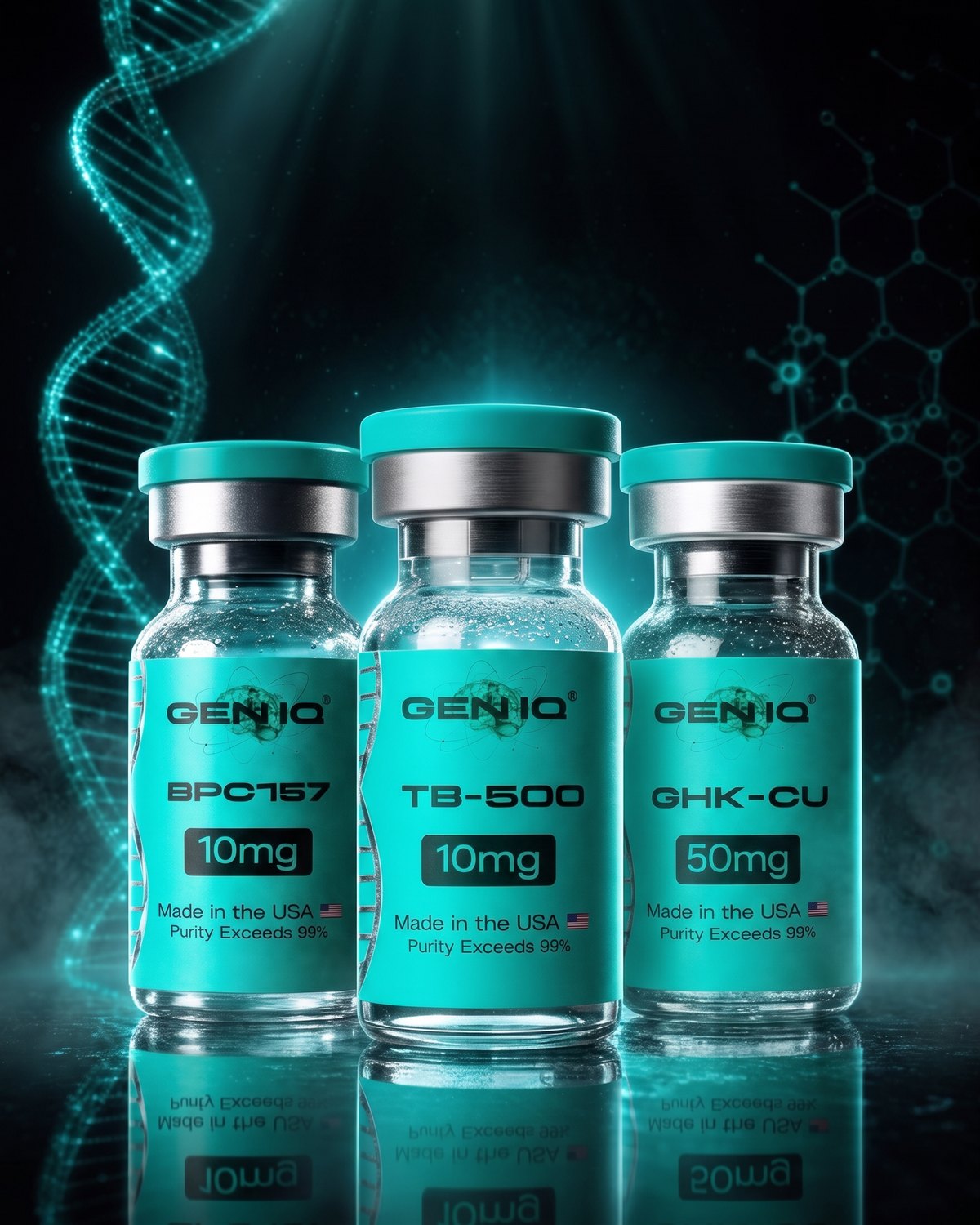
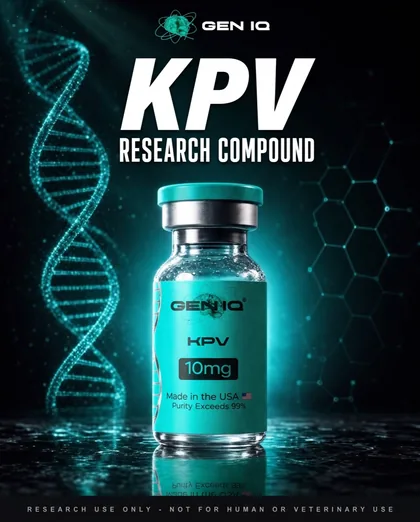

People say “peptides” and “supplements” in the same breath, as if they're two brands of the same thing. They aren't. The most useful distinction isn't about which is “stronger” — it's about which legal and documentary world each one lives in.
Different category, different rules
Dietary supplements are consumer productsregulated under food law — vitamins, minerals, botanicals and amino acids intended for ingestion. Research compounds, including the peptides studied across the scientific literature, are laboratory materials sold for research use only. They are not dietary supplements, not foods, and not sold for human or veterinary use. Same shelf in conversation; entirely different shelf in the law.
What a peptide actually is
A peptide is a short chain of amino acids — the same building blocks proteins are made of, just in smaller, defined sequences. Researchers study peptides because those sequences interact with specific biological pathways in laboratory models, which is why so much of the published literature explores them. None of that makes a research peptide a supplement: the category is defined by how a product is regulated and sold, not by the molecule's size.
Side by side
Why the documentation gap matters
Because the two categories carry different documentation expectations, the questions you should ask differ too. With a consumer supplement, what the brand chooses to disclose varies brand to brand. With a research compound, the documentation is the product spec — the origin and lot tracking are how you know the provenance of what's in the vial. A research-use vendor that treats testing as optional is missing the point of the category.
With supplements, testing is a bonus. With research compounds, the testing is the whole point.
Where GEN IQ sits
GEN IQ is firmly on the research side of that line: every compound is sold strictly for research use, made in the USA, and backed by US-made quality, the same strength every time and US-made quality data per batch. We don't market our catalog as supplements because it isn't one — and pretending otherwise would erase the exact documentation that makes research-grade material useful. If you want to choose by the area you're researching, the catalog is organized into research lanes, and the protocol finder will narrow it down for you.
- Supplements and research compounds are different regulatory categories, not competing brands.
- Supplements are consumer food-law products; research peptides are laboratory materials, research use only.
- The defining difference is how a product is regulated and sold — not the size of the molecule.
- For research compounds, knowing where it was made and which run it came from is the baseline, not an extra.
Put the research to work.
Match your research interest to the compounds most studied in that area — or ask GINA, our Chief of Sales, anything about specs, purity or stock.