



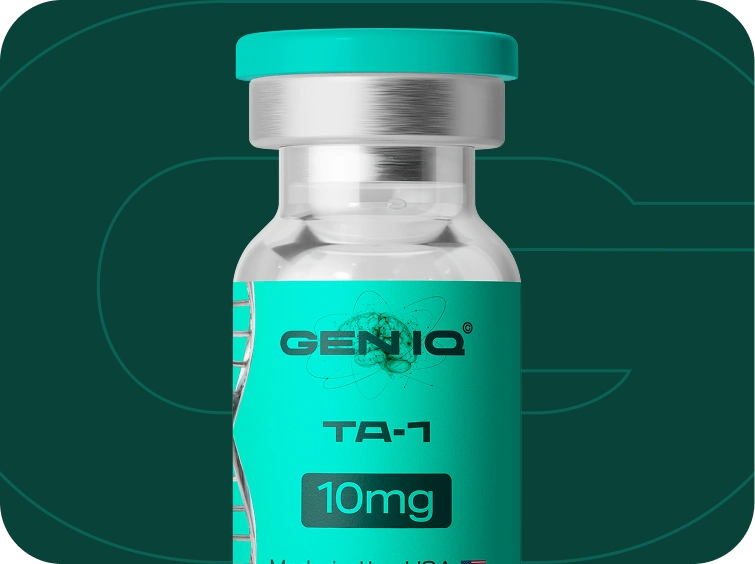
TA-1 (Thymosin Alpha-1) — 10mg
$199.99TA-1, also known as Thymosin Alpha-1, is a synthetic version of a naturally occurring thymic peptide involved in immune signaling and cellular-regulation pathways.
Researchers study TA-1 for its role in immune-system communication, cytokine modulation, cellular protection mechanisms, and stress-response behavior.
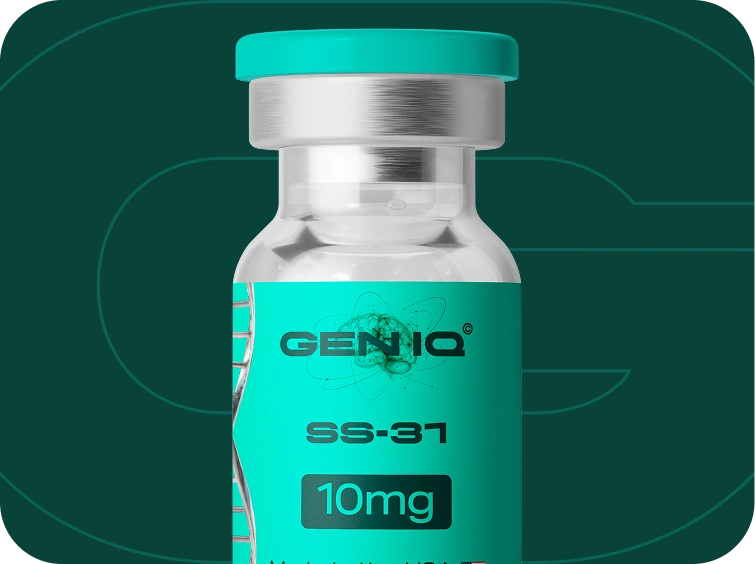
SS-31 — 10mg
$159.99SS-31 (also known as Elamipretide in research contexts) is a synthetic tetrapeptide designed to target the inner mitochondrial membrane.
It binds to cardiolipin, a key phospholipid required for mitochondrial structural integrity and energy production.
Researchers study SS-31 for its involvement in mitochondrial stability, oxidative-stress responses, and cellular energy pathways.
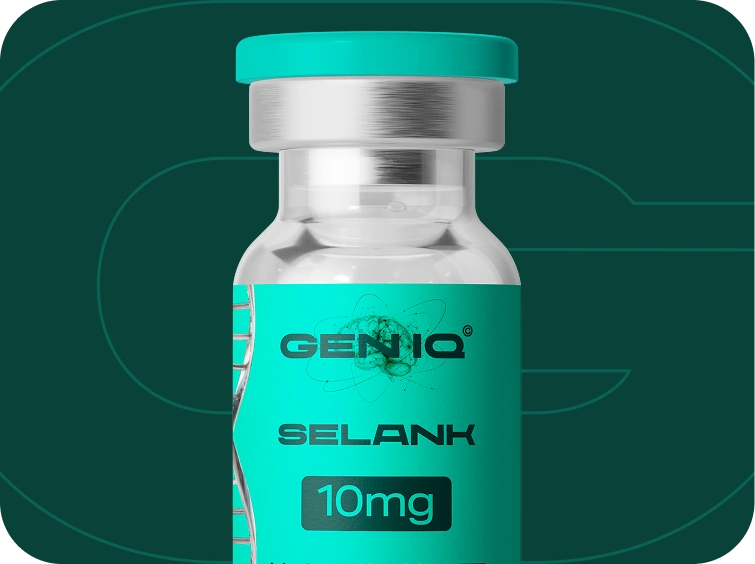
Selank — 10mg
$129.99Selank is a synthetic heptapeptide derived from the endogenous tetrapeptide tuftsin.
It is studied for its involvement in neurochemical signaling, stress-response pathways, memory-related biochemical models, and immune–nervous system interactions.
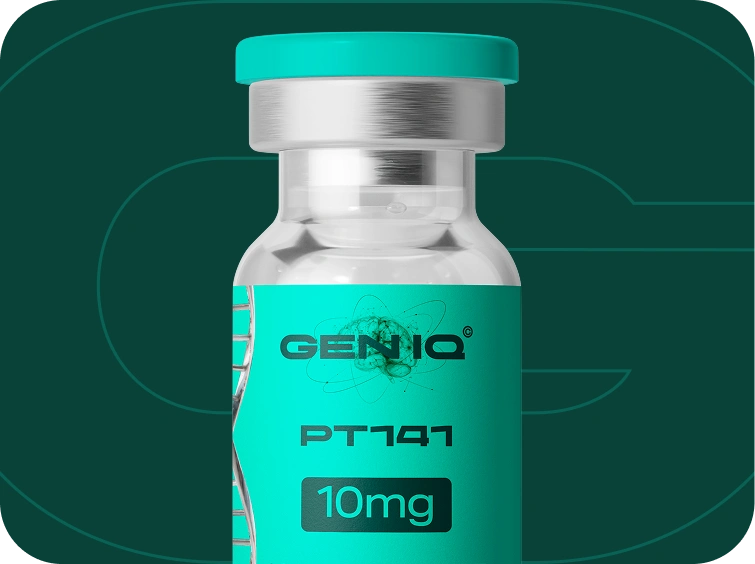
PT-141 — 10mg
$89.99PT-141 (Bremelanotide) is a synthetic melanocortin analog developed from the peptide Melanotan 2.
Researchers study PT-141 for its interactions with melanocortin receptors—especially MC3R and MC4R—which are involved in neurobiological, behavioral, and signaling pathways.
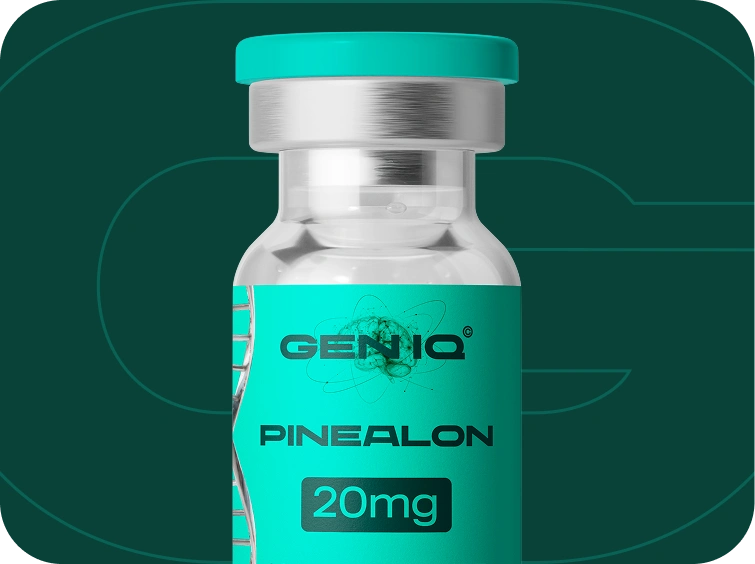
Pinealon — 20mg
$119.99Pinealon is a short regulatory tripeptide (Glu-Asp-Arg) studied for its role in cellular stress responses, neurobiological pathways, and age-related molecular processes.
It is commonly used in laboratory environments to explore how small peptides influence gene expression, antioxidant systems, and cellular protection mechanisms.
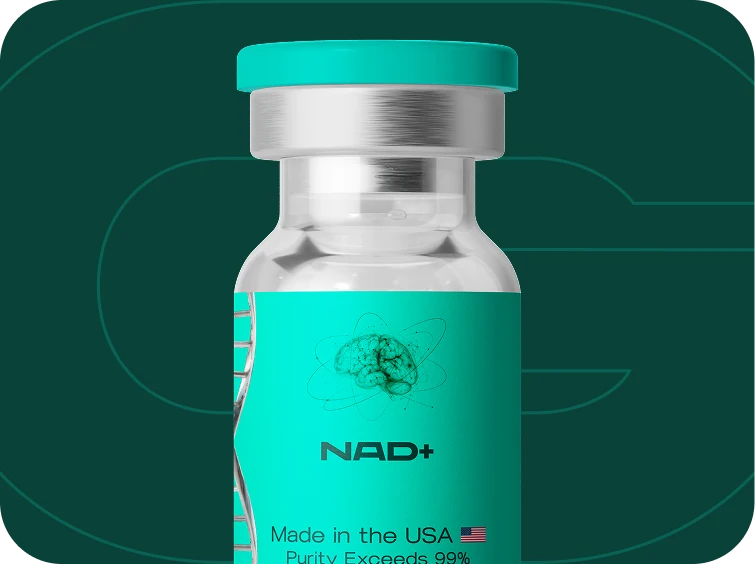
NAD+
Price range: $199.99 through $299.99Nicotinamide Adenine Dinucleotide (NAD+) is a naturally occurring coenzyme present in all living cells.
It plays a central role in energy metabolism, mitochondrial function, redox reactions, and cellular signaling.
In research settings, NAD+ is studied for its involvement in metabolic regulation, aging-related pathways, DNA-repair activity, and cellular stress responses.
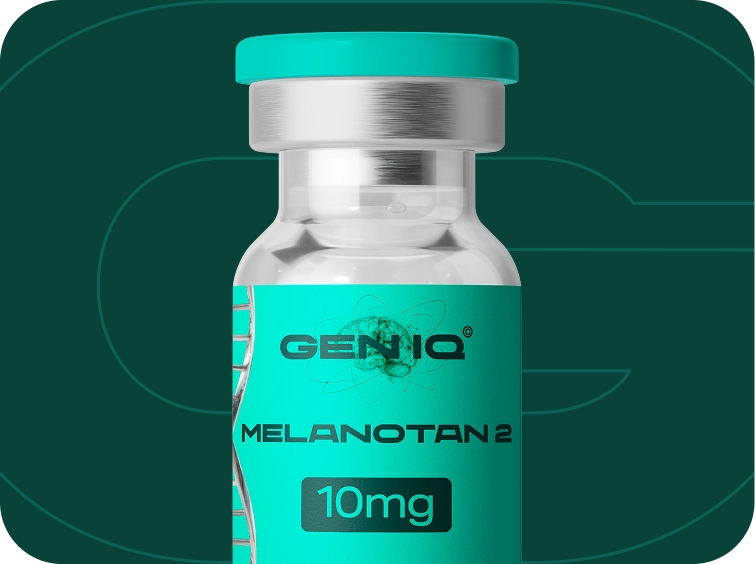
Melanotan 2 — 10mg
$79.99Melanotan 2 (MT-2) is a synthetic analog of the naturally occurring alpha-melanocyte–stimulating hormone (α-MSH).
Researchers study MT-2 for its interactions with melanocortin receptors, biochemical signaling related to pigmentation, and various pathways connected to the melanocortin system.
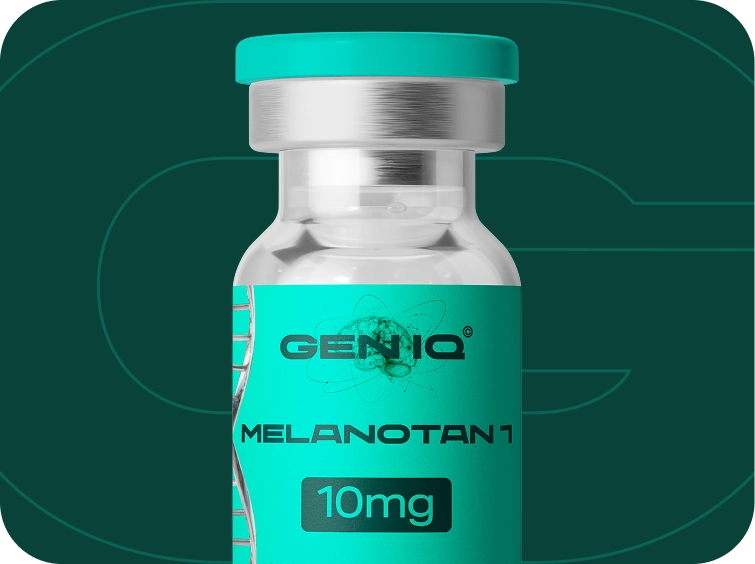
Melanotan 1 — 10mg
$79.99Melanotan 1 (also known as Afamelanotide’s research predecessor) is a synthetic analog of the alpha-melanocyte–stimulating hormone (α-MSH).
Researchers study Melanotan 1 for its interactions with melanocortin receptors, pigmentation-related pathways, and signaling mechanisms involved in skin biology.
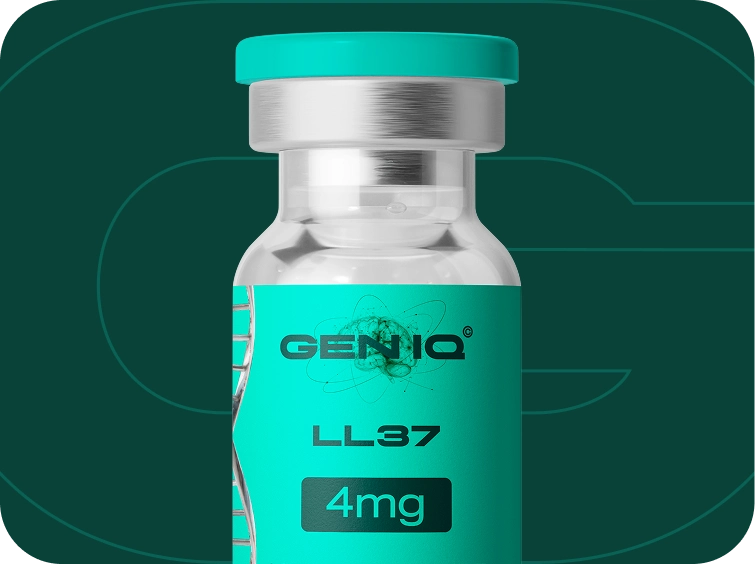
LL-37 — 4mg
$179.99LL-37 is a human cathelicidin-derived antimicrobial peptide naturally produced by immune cells, epithelial cells, and various tissues.
It is the only known human cathelicidin and plays a significant role in innate immune defense.
In research environments, LL-37 is studied for its interactions with microbial membranes, immune signaling pathways, wound environments, and inflammatory responses.
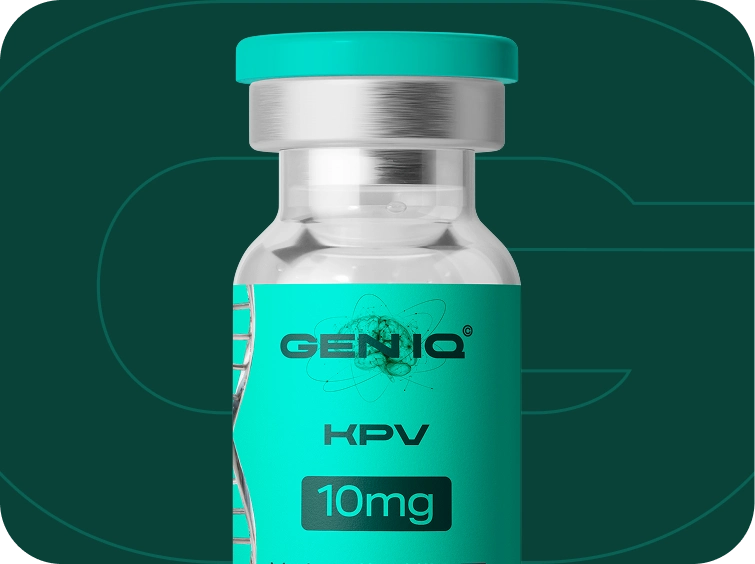
KPV — 10mg
$89.99KPV is a synthetic tripeptide composed of lysine, proline, and valine.
It is derived from the C-terminal end of the alpha-melanocyte–stimulating hormone (α-MSH) sequence.
In research environments, KPV is examined for its interactions with inflammatory pathways, immune signaling, epithelial responses, and cellular regulation mechanisms.
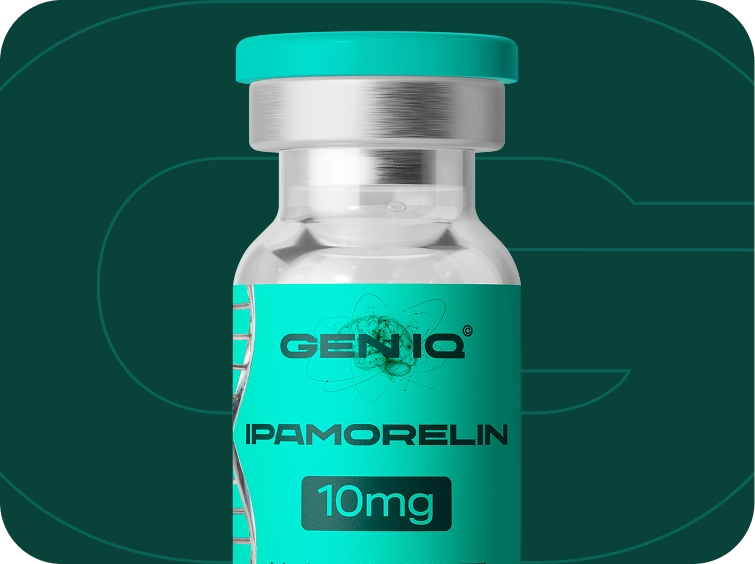
Ipamorelin — 10mg
$102.99Ipamorelin is a selective growth hormone secretagogue receptor (GHSR) agonist belonging to the class of pentapeptide secretagogues.
Researchers study this compound to understand its interaction with ghrelin receptors, its receptor-specific signaling activity, and its influence on pituitary somatotroph pathways.
GENIQ provides Ipamorelin strictly for laboratory research—not for human or animal use.