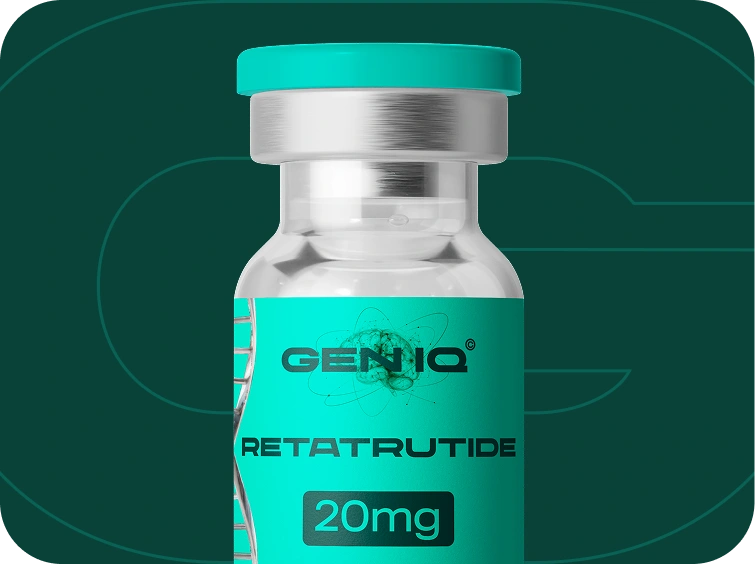
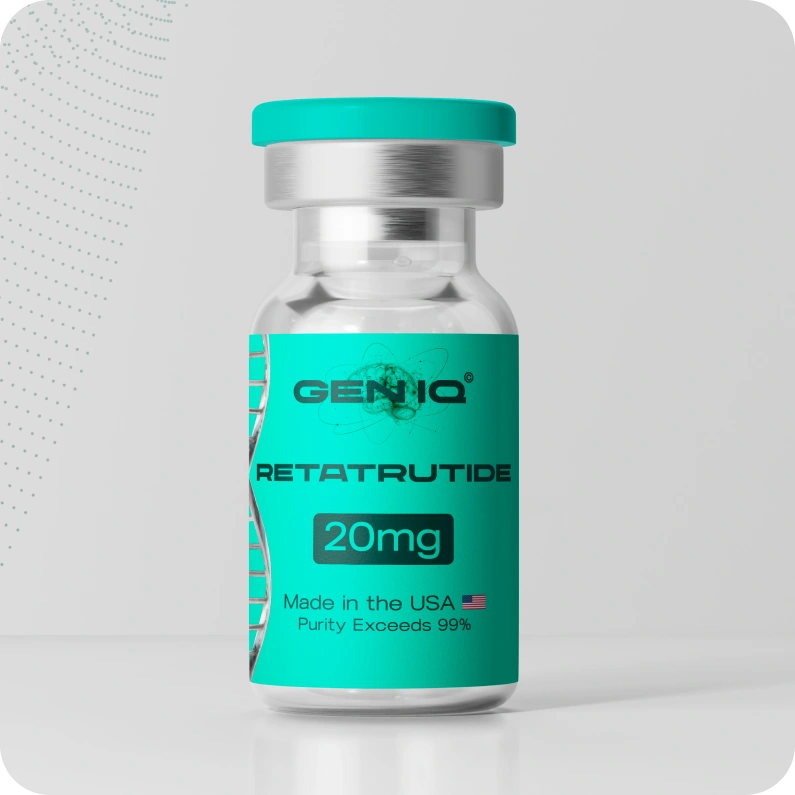
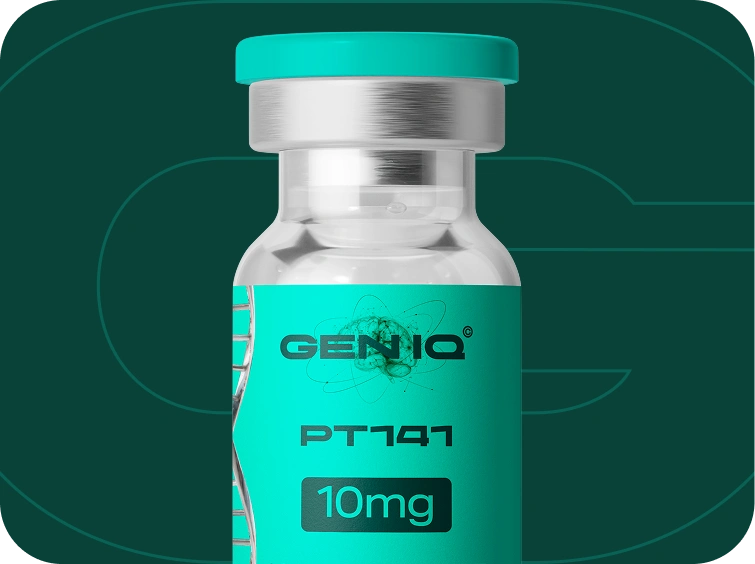
Retatrutide (18mg)

Retatrutide is a synthetic multi-agonist peptide designed to target several metabolic signaling receptors simultaneously, including GIP, GLP-1, and glucagon pathways in research environments.

Because of this multi-receptor interaction, Retatrutide is increasingly studied for its role in energy balance, metabolic regulation, glucose control models, and nutrient-sensing biochemical pathways.

GENIQ supplies Retatrutide exclusively for laboratory research purposes—not for human or animal administration.

$419.99

Category:
  • Official retailer
  • Quality guaranteed
  • Free delivery from $99
  • Free returns is available

What Is Retatrutide?

Retatrutide is a synthetic multi-agonist peptide designed to target several metabolic signaling receptors simultaneously, including GIP, GLP-1, and glucagon pathways in research environments.

Because of this multi-receptor interaction, Retatrutide is increasingly studied for its role in energy balance, metabolic regulation, glucose control models, and nutrient-sensing biochemical pathways.

GENIQ supplies Retatrutide exclusively for laboratory research purposes—not for human or animal administration.

Peptide Overview

Retatrutide is classified as a “triple agonist” research peptide due to its engagement with multiple incretin-linked receptor systems.

In controlled scientific studies, Retatrutide is evaluated for how it may promote changes in:

GIP, GLP-1, and glucagon receptor activation
Energy-expenditure biochemical pathways
Appetite-regulation signaling in neuronal and metabolic models
Glucose-management pathways
Lipid-metabolism and adipose-tissue behavior
Mitochondrial and endocrine activity
Hormonal and multi-pathway receptor crosstalk
All findings originate strictly from preclinical laboratory research models.

All findings remain limited to preclinical and in-vitro experimental environments.

History of Retatrutide

Retatrutide emerged as part of modern research into incretin-based therapeutics and metabolic peptides.

As scientists explored single-agonist compounds, newer multi-agonist classes were designed to better replicate the complexity of natural metabolic regulation involving several hormone-driven pathways.

Retatrutide has since appeared in research involving:

Multi-receptor incretin signaling
Glucose-regulation biology
Body-mass and energy-expenditure biochemical studies
Lipid-oxidation and adipose-tissue models
Appetite-related neuroendocrine pathways
Metabolic-syndrome and insulin-related signaling
Its triple-agonist design makes it a prominent research tool in the study of metabolic health.

Peptide Structure

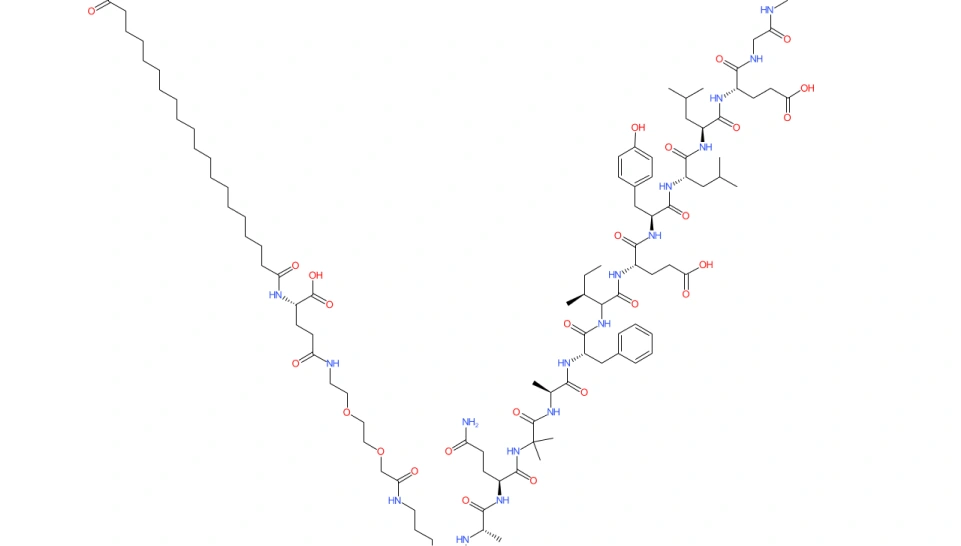
Retatrutide is a long-chain synthetic peptide analog with a stabilized multi-agonist structure.

Certificates of Analysis

Retatrutide — 12mg

Research Findings

In scientific studies, Retatrutide is commonly examined in contexts involving:

Triple-pathway receptor activation: Researchers observe signaling differences when multiple receptors are stimulated simultaneously.
Metabolic-rate and energy-use models: Studies evaluate biochemical markers linked to energy expenditure.
Glucose-regulation pathways: Retatrutide is included in research examining insulin-related biochemical activity.
Appetite-signaling environments: Research explores neural pathways associated with satiety and hunger modulation.
Lipid-oxidation: Studies observe how multi-agonist activity may influence fatty-acid metabolism.
Hormonal crosstalk models: Investigators analyze relationships between metabolic hormones under co-agonist conditions.
These findings are strictly limited to experimental research and do not imply clinical effects.

These findings reflect laboratory experiments only and do not indicate clinical outcomes.

References

1. Metabolic Research Group. “Triple-agonist peptide signaling in metabolic models.”

2. Endocrine Pathway Institute. “GIP/GLP-1/glucagon receptor interactions in laboratory studies.”

3. Bioenergetics Laboratory. “Energy-expenditure biochemical modulation via multi-agonist peptides.”

4. Nutrient-Sensing & Hormonal Crosstalk Center. “Neuroendocrine responses to synthetic peptide agonists.”

FAQ

What type of research is Retatrutide used for?

It is used in studies involving metabolic signaling, glucose regulation, energy balance, hormonal pathways, and multi-receptor agonist modeling.

Yes. Every Retatrutide vial (12mg, 18mg, and 40mg) includes a COA verifying identity and purity.

No. Retatrutide is not FDA-approved and is not intended for human or animal administration.

No. GENIQ does not offer any dosing, mixing, or application guidance.

Only trained scientists within controlled laboratory environments.

Research Use Only

All GENIQ compounds are intended strictly for laboratory research.
 Not for human or animal consumption, medical use, or therapeutic application.

Nothing in this document should be interpreted as medical advice or as approval for use outside controlled scientific environments.

Retatrutide is a synthetic multi-agonist peptide designed to target several metabolic signaling receptors simultaneously, including GIP, GLP-1, and glucagon pathways in research environments.


Because of this multi-receptor interaction, Retatrutide is increasingly studied for its role in energy balance, metabolic regulation, glucose control models, and nutrient-sensing biochemical pathways.


GENIQ supplies Retatrutide exclusively for laboratory research purposes—not for human or animal administration.

Reviews

There are no reviews yet.

Only logged in customers who have purchased this product may leave a review.

RELATED PRODUCTS