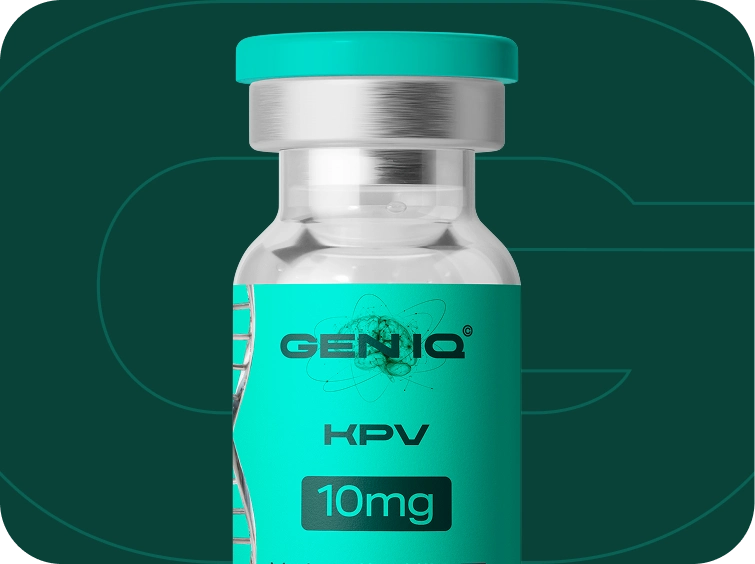
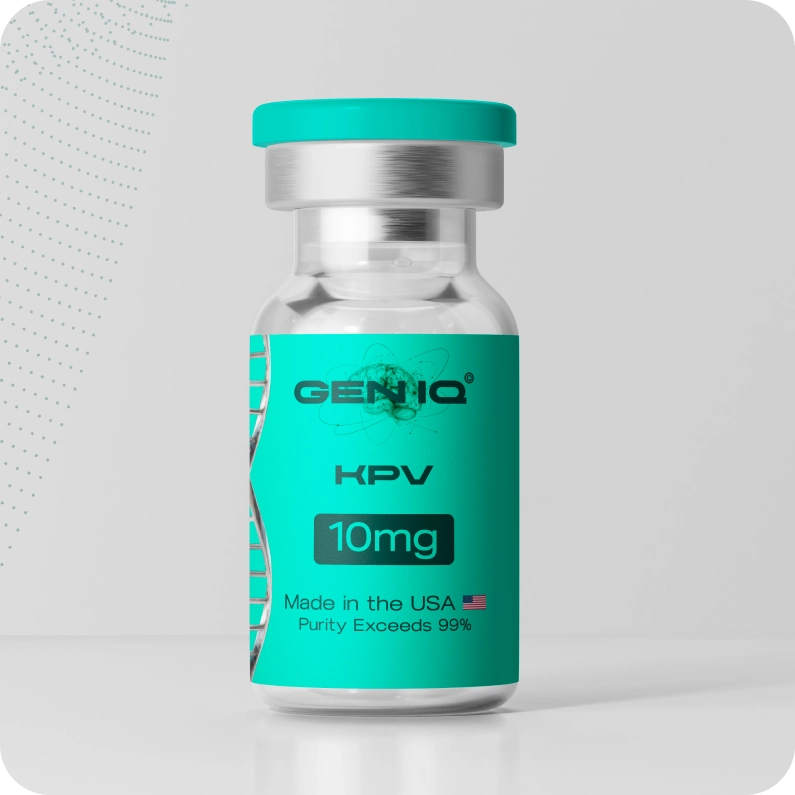
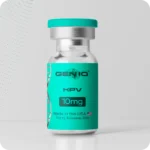

KPV — 10mg
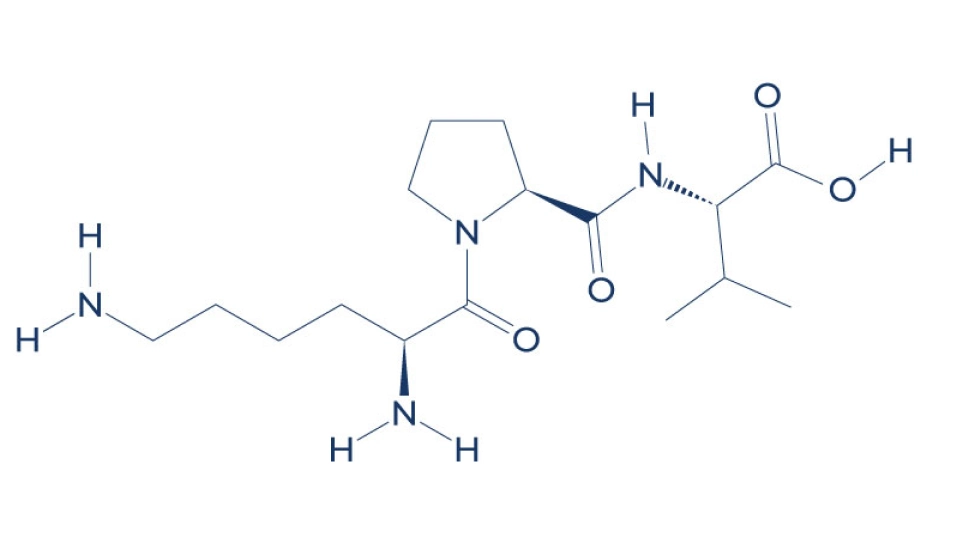
KPV is a synthetic tripeptide composed of lysine, proline, and valine.
It is derived from the C-terminal end of the alpha-melanocyte–stimulating hormone (α-MSH) sequence.
In research environments, KPV is examined for its interactions with inflammatory pathways, immune signaling, epithelial responses, and cellular regulation mechanisms.
$89.99
-
Official retailer
-
Quality guaranteed
-
Free delivery from $99
-
Free returns is available
What Is KPV?
KPV is a synthetic tripeptide composed of lysine, proline, and valine.
It is derived from the C-terminal end of the alpha-melanocyte–stimulating hormone (α-MSH) sequence.
In research environments, KPV is examined for its interactions with inflammatory pathways, immune signaling, epithelial responses, and cellular regulation mechanisms.
GENIQ supplies KPV strictly for laboratory research use and not for human or animal administration.
Peptide Overview
KPV is widely studied for its involvement in inflammation-related biochemical processes and epithelial-cell models.
Laboratory investigations often explore how KPV may promote changes in:
| • Inflammatory pathway signaling |
| • Cytokine-regulation models |
| • Immune-cell communication |
| • Epithelial barrier and tissue-related responses |
| • Oxidative and stress-related molecular pathways |
| • Melanocortin-derived peptide interactions |
| These findings are confined to controlled research environments and do not imply therapeutic activity. |
All findings remain limited to preclinical and in-vitro experimental environments.
History of KPV
KPV originates from studies on α-MSH, a peptide hormone involved in pigmentation, inflammation, and immune modulation.
Researchers identified the tripeptide sequence Lys-Pro-Val as a key fragment that retained certain anti-inflammatory signaling characteristics when examined in experimental models.
Since its discovery, KPV has been evaluated in:
| • Gastrointestinal inflammation research |
| • Skin and epithelial barrier studies |
| • Immune-modulation models |
| • Molecular signaling investigations involving cytokines |
| Its simplicity, stability, and selective signaling properties have made it a common tool in inflammation-related biochemical research. |
Peptide Structure
Sequence: Lys-Pro-Val
Certificates of Analysis
KPV — 10mg
Research Findings
Research involving KPV commonly examines:
| • Cytokine signaling: KPV is used to explore how certain cytokine pathways respond to peptide modulation. |
| • Inflammatory markers: Studies analyze effects on NF-κB, TNF-α, and other inflammation-associated biochemical mediators. |
| • Epithelial and barrier models: Research evaluates KPV in cell layers related to skin, gut, and mucosal tissue. |
| • Immune-cell communication: Investigating how immune cells interact with α-MSH–derived peptides. |
| • Oxidative-stress response: Studies assess how KPV participates in models involving oxidative balance and cellular protection. |
| These findings represent laboratory-based observations only. |
These findings reflect laboratory experiments only and do not indicate clinical outcomes.
References
2. Smith J., et al. “KPV activity in epithelial tissue environments.” Experimental Inflammation Biology Journal.
3. Melanocortin Research Institute. “Biochemical pathways associated with melanocortin-derived peptides.”
4. Immunoregulation Laboratory. “KPV interactions in cytokine-regulation studies.”
FAQ
What type of research is KPV used for?
It is commonly used in studies related to inflammatory pathways, immune signaling, epithelial-cell behavior, and cytokine modulation.
Does GENIQ provide a Certificate of Analysis?
Yes. Every GENIQ peptide includes a COA verifying identity and purity.
Is KPV approved for human or animal use?
No. KPV is not FDA-approved and is not intended for human or veterinary administration.
Does GENIQ provide instructions on preparation or dosing?
No. GENIQ does not give any reconstitution, dosing, or application guidance.
Who should handle this compound?
Only trained researchers within controlled laboratory settings.
Research Use Only
All GENIQ compounds are intended strictly for laboratory research.
Not for human or animal consumption, medical use, or therapeutic application.
Nothing in this document should be interpreted as medical advice or as approval for use outside controlled scientific environments.
KPV is a synthetic tripeptide composed of lysine, proline, and valine.
It is derived from the C-terminal end of the alpha-melanocyte–stimulating hormone (α-MSH) sequence.
In research environments, KPV is examined for its interactions with inflammatory pathways, immune signaling, epithelial responses, and cellular regulation mechanisms.
Only logged in customers who have purchased this product may leave a review.

Reviews
There are no reviews yet.