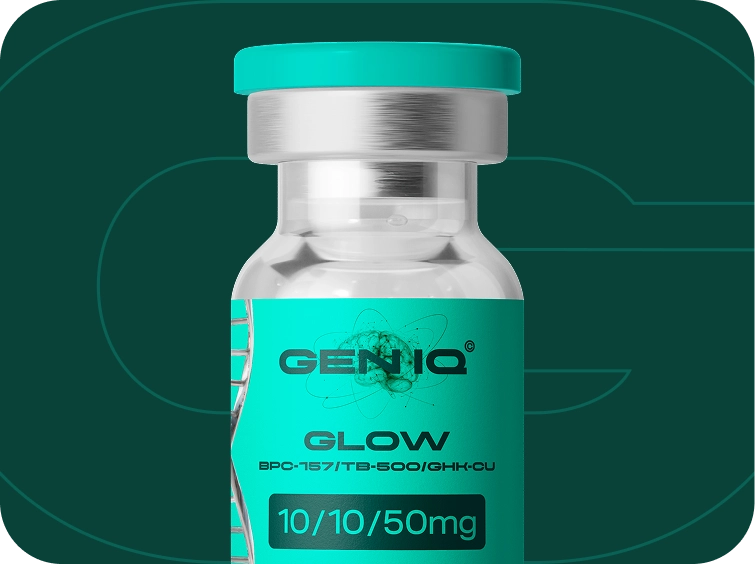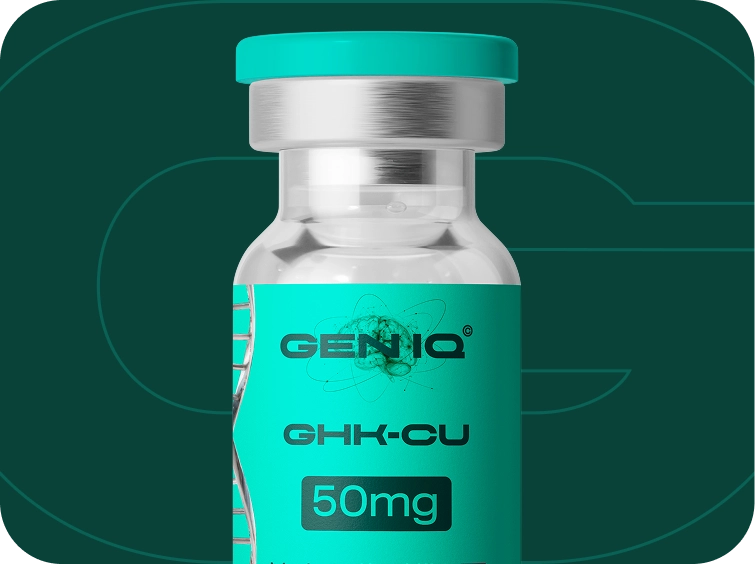
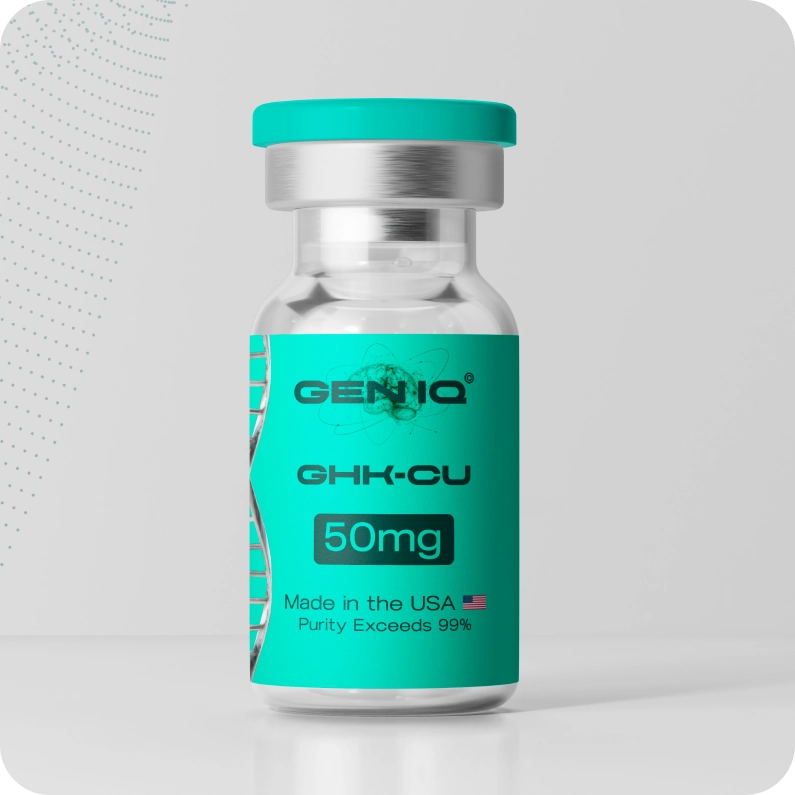
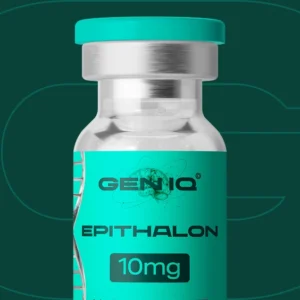

GHK-Cu — 50mg
GHK-Cu is a naturally occurring copper-binding tripeptide composed of glycine, histidine, and lysine complexed with copper ions.
It is widely studied for its involvement in tissue-regulation pathways, skin biology models, gene-expression behavior, and cellular repair mechanisms.
In laboratory environments, researchers use GHK-Cu to examine structural protein responses, wound-associated signaling, and processes related to cellular remodeling.
$69.99
-
Official retailer
-
Quality guaranteed
-
Free delivery from $99
-
Free returns is available
What Is GHK-Cu?
GHK-Cu is a naturally occurring copper-binding tripeptide composed of glycine, histidine, and lysine complexed with copper ions.
It is widely studied for its involvement in tissue-regulation pathways, skin biology models, gene-expression behavior, and cellular repair mechanisms.
In laboratory environments, researchers use GHK-Cu to examine structural protein responses, wound-associated signaling, and processes related to cellular remodeling.
GENIQ provides GHK-Cu exclusively for in-vitro scientific research—not for human or animal use.
Peptide Overview
GHK-Cu plays a notable role in research focused on tissue health, regeneration models, and cellular communication.
Studies frequently evaluate how this peptide may promote changes in:
| • Gene-expression profiles associated with skin and tissue regulation |
| • Collagen-related signaling pathways |
| • Antioxidant and anti-inflammatory responses |
| • Fibroblast activity and extracellular matrix remodeling |
| • Wound-environment biochemical processes |
| • Copper-dependent enzymatic pathways |
| These observations are obtained under controlled laboratory conditions and do not represent clinical outcomes. |
All findings remain limited to preclinical and in-vitro experimental environments.
History of GHK-Cu
GHK-Cu was first isolated from human plasma in the 1970s by biochemist Dr. Loren Pickart, who studied its potential role in wound healing and tissue regeneration models.
Subsequent research identified its presence in saliva and urine as well, suggesting a systemic role in tissue maintenance and repair mechanisms.
Over decades of non-clinical research, GHK-Cu became recognized for:
| • Triggering gene-expression changes in cultured cells |
| • Its relevance in tissue repair experiments |
| • Its relationship to collagen, elastin, and glycosaminoglycan pathways |
| • Its copper-binding behavior and related enzymatic effects |
| Today, GHK-Cu remains one of the most researched tripeptides in in-vitro regeneration and skin biology studies. |
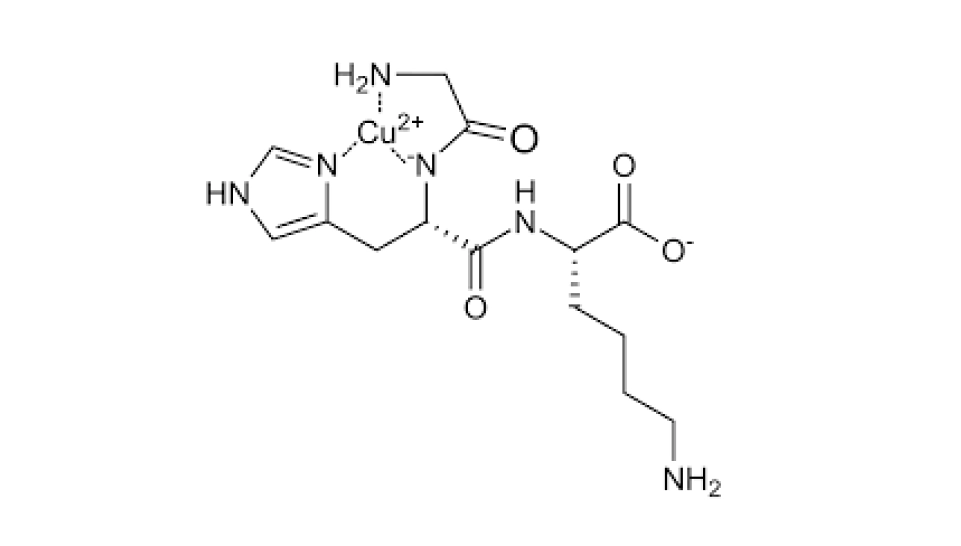
Peptide Structure
Sequence: Gly-His-Lys (bound to copper)
Certificates of Analysis
GHK-Cu — 50mg
Research Findings
Laboratory studies involving GHK-Cu focus on several key biochemical and molecular areas:
| • Gene-expression modulation: Research models often show changes in genes associated with repair, structural proteins, and tissue maintenance. |
| • Collagen and ECM studies: GHK-Cu is frequently used to examine fibroblast activity, extracellular matrix regulation, and remodeling processes. |
| • Copper-related pathways: Investigations review how the peptide interacts with copper-dependent enzymes and oxidative-stress responses. |
| • Skin-biology models: Studies explore how GHK-Cu influences epithelial cells, keratinocytes, and regenerative processes in vitro. |
| • Inflammatory signaling: Some models evaluate how GHK-Cu interacts with inflammatory mediators and wound-environment signaling. |
| These findings are based entirely on research environments, not clinical or therapeutic interpretations. |
These findings reflect laboratory experiments only and do not indicate clinical outcomes.
References
2. Maquart F., et al. “Tripeptide-copper complexes and their influence on extracellular matrix production.” Cellular Regeneration Studies.
3. Biological Repair Consortium. “Non-clinical evaluation of gene modulation by GHK-Cu.”
4. Dermatologic Research Laboratory. “GHK-Cu activity in skin-related cellular environments.”
FAQ
What type of research is GHK-Cu used for?
It is commonly used in studies related to tissue repair models, skin biology, gene regulation, and copper-dependent cellular pathways.
Does GENIQ provide a Certificate of Analysis?
Yes. Every GENIQ peptide includes a COA verifying identity and purity.
Is GHK-Cu approved for human or veterinary use?
No. GHK-Cu is not FDA-approved and is not intended for human or animal administration.
Does GENIQ provide reconstitution or dosing instructions?
No. GENIQ does not offer any preparation, dosing, or application guidance.
Who should handle this compound?
Only qualified laboratory researchers within appropriate scientific facilities.
Research Use Only
All GENIQ compounds are intended strictly for laboratory research.
Not for human or animal consumption, medical use, or therapeutic application.
Nothing in this document should be interpreted as medical advice or as approval for use outside controlled scientific environments.
GHK-Cu is a naturally occurring copper-binding tripeptide composed of glycine, histidine, and lysine complexed with copper ions.
It is widely studied for its involvement in tissue-regulation pathways, skin biology models, gene-expression behavior, and cellular repair mechanisms.
In laboratory environments, researchers use GHK-Cu to examine structural protein responses, wound-associated signaling, and processes related to cellular remodeling.
Only logged in customers who have purchased this product may leave a review.

Reviews
There are no reviews yet.