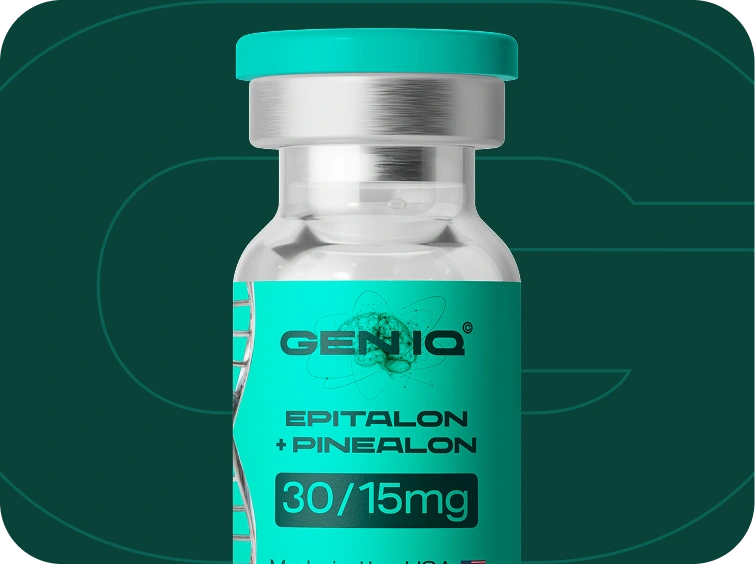
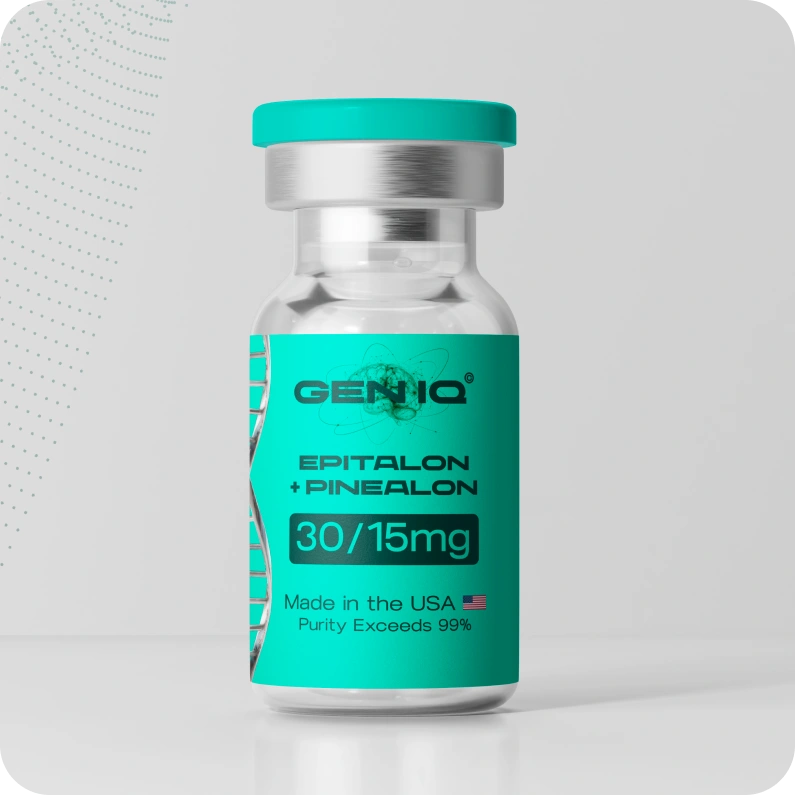
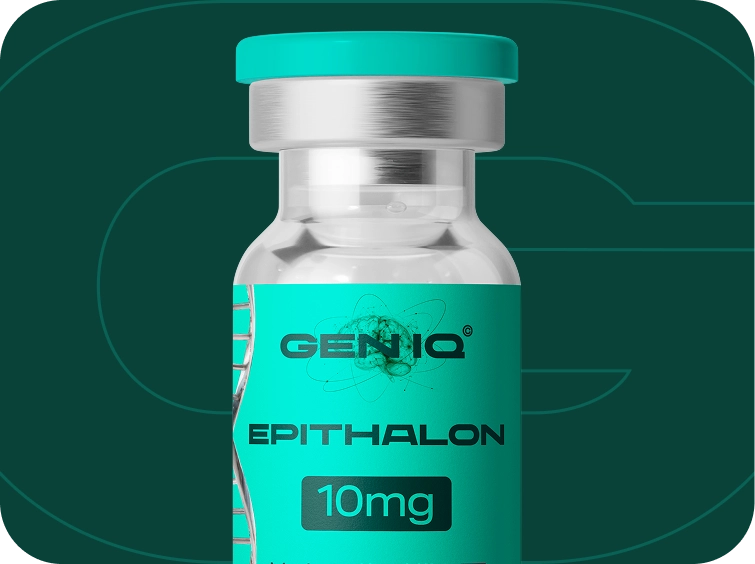
Epitalon / Pinealon (30mg / 15mg)

Epitalon and Pinealon are short regulatory peptides commonly studied in aging, neurobiology, and cellular-regulation research.


Epitalon is a synthetic tetrapeptide associated with telomerase-related and circadian-regulation models, while Pinealon is a tripeptide studied for its involvement in neurobiological signaling and gene-expression pathways.


When combined in laboratory research, these peptides are evaluated for their complementary roles in cellular aging models, stress-response pathways, and neuroregulatory systems.

$249.99

Category:
  • Official retailer
  • Quality guaranteed
  • Free delivery from $99
  • Free returns is available

What Is Epitalon / Pinealon?

Epitalon and Pinealon are short regulatory peptides commonly studied in aging, neurobiology, and cellular-regulation research.

Epitalon is a synthetic tetrapeptide associated with telomerase-related and circadian-regulation models, while Pinealon is a tripeptide studied for its involvement in neurobiological signaling and gene-expression pathways.

When combined in laboratory research, these peptides are evaluated for their complementary roles in cellular aging models, stress-response pathways, and neuroregulatory systems.

GENIQ supplies Epitalon / Pinealon strictly for laboratory research only—not for human or animal use.

Peptide Overview

The Epitalon / Pinealon combination is frequently used in studies exploring longevity-related biochemical pathways and neurocellular regulation.

In controlled laboratory environments, researchers examine how this peptide pairing may promote changes in:

• Telomerase-associated molecular pathways
• Cellular aging and senescence markers
• Circadian rhythm and pineal-related signaling
• Neuroprotective and neuronal-regulation models
• Gene-expression modulation in aging tissues
• Oxidative-stress and cellular-resilience pathways
• Mitochondrial communication and metabolic regulation
All observations are derived solely from non-clinical research environments.

All findings remain limited to preclinical and in-vitro experimental environments.

History of Epitalon / Pinealon

Epitalon and Pinealon originate from Eastern European peptide research programs focused on regulatory peptides and age-related biological processes.

Epitalon emerged from investigations into pineal gland peptides and their role in circadian and lifespan regulation, while Pinealon was developed to explore short-peptide influence on neuronal gene expression and oxidative stress.

Over time, researchers began examining these peptides together in studies involving:
• Aging and longevity models
• Neuroendocrine and pineal signaling
• Circadian rhythm regulation
• Cognitive and neurobiological research
• Cellular stress and repair mechanisms
• Transcriptional regulation in aging systems
Their combined use reflects overlapping research interests in neuroaging and cellular regulation.

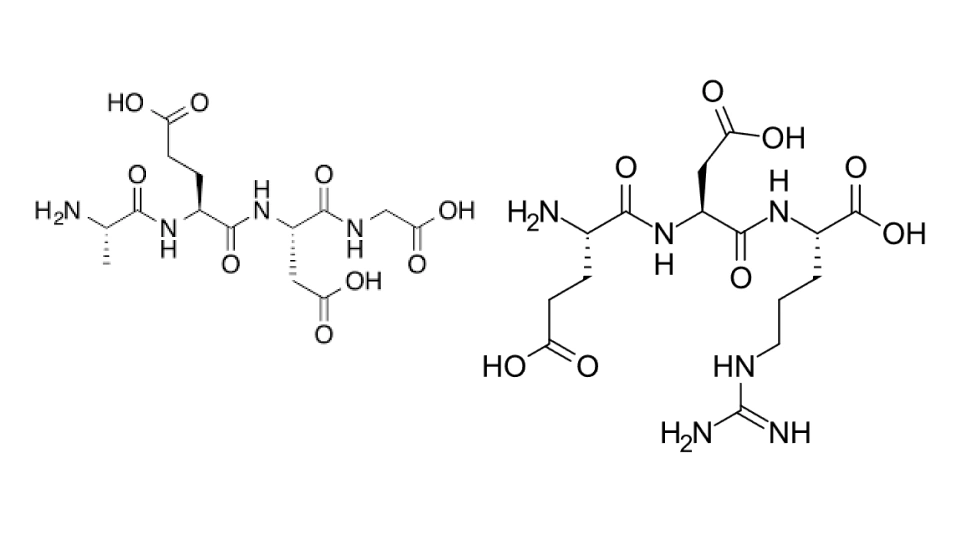
Peptide Structure

Epitalon Sequence: Ala-Glu-Asp-Gly

Pinealon Sequence: Glu-Asp-Arg

Certificates of Analysis

Epitalon / Pinealon — 30mg / 15mg

Research Findings

Research involving Epitalon / Pinealon commonly focuses on:

• Telomerase-related activity: Studies examine molecular markers associated with telomere maintenance and cellular lifespan models.
• Circadian signaling: Researchers evaluate biochemical pathways linked to pineal and circadian regulation.
• Neuroregulatory behavior: Laboratory models explore neuronal signaling and protective biochemical responses.
• Gene-expression modulation: Research tracks transcriptional changes associated with aging and neurocellular resilience.
• Oxidative-stress response: Studies assess antioxidant-related pathways under cellular stress conditions.
• Cellular aging models: Investigations include senescence markers and longevity-associated molecular processes.
These findings are limited to laboratory research and do not represent clinical outcomes.

These findings reflect laboratory experiments only and do not indicate clinical outcomes.

References

1. Khavinson V., et al. “Short regulatory peptides and mechanisms of aging.” Biogerontology Research Journal.

2. Pineal Research Institute. “Epitalon and pineal peptide involvement in circadian regulation.”

3. Neurobiology & Aging Laboratory. “Tripeptide and tetrapeptide influence on neuronal gene expression.”

4. Cellular Longevity Center. “Oxidative stress and telomerase pathways in peptide-driven research.”

FAQ

Research Use Only

All GENIQ compounds are intended strictly for laboratory research.
 Not for human or animal consumption, medical use, or therapeutic application.

Nothing in this document should be interpreted as medical advice or as approval for use outside controlled scientific environments.

Epitalon and Pinealon are short regulatory peptides commonly studied in aging, neurobiology, and cellular-regulation research.


Epitalon is a synthetic tetrapeptide associated with telomerase-related and circadian-regulation models, while Pinealon is a tripeptide studied for its involvement in neurobiological signaling and gene-expression pathways.


When combined in laboratory research, these peptides are evaluated for their complementary roles in cellular aging models, stress-response pathways, and neuroregulatory systems.

Reviews

There are no reviews yet.

Only logged in customers who have purchased this product may leave a review.