



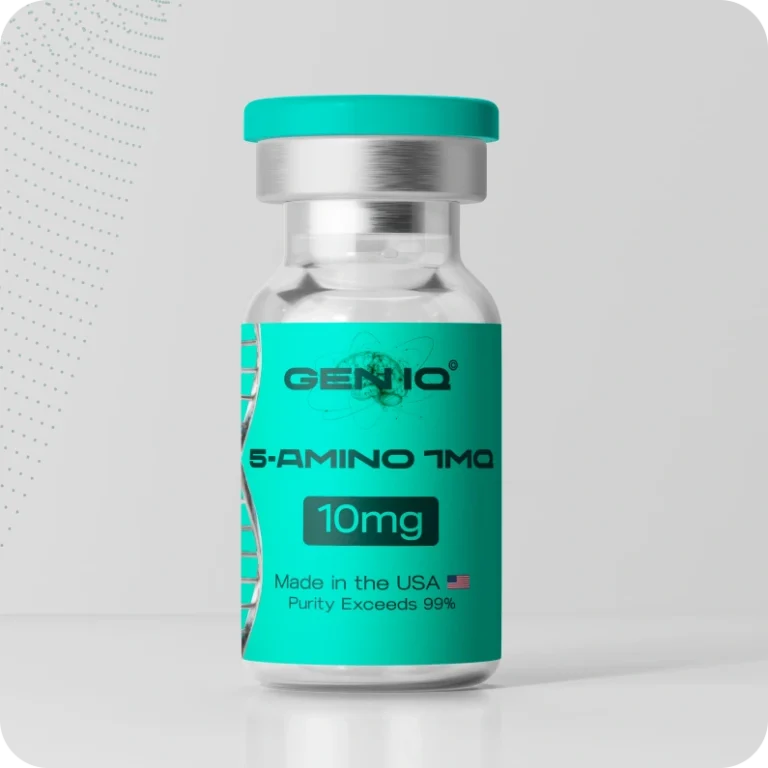
5-Amino-1MQ
Price range: $99.99 through $249.995-Amino-1MQ (5-Amino-1-methylquinolinium) is a small-molecule research compound studied for its role in cellular metabolism, NAD⁺ regulation pathways, and enzyme-inhibition models.
Researchers frequently evaluate its interaction with NNMT (Nicotinamide N-methyltransferase)—an enzyme associated with metabolic rate, adipocyte biochemistry, and cellular energy processes.
GENIQ supplies 5-Amino-1MQ strictly for scientific research—not for human or animal use.
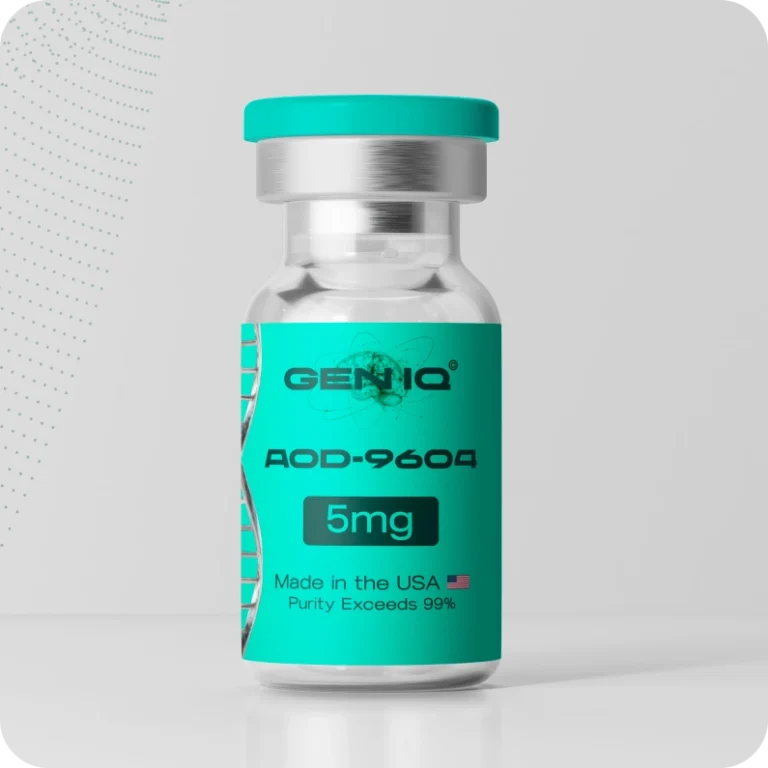
AOD-9604
Price range: $108.99 through $149.99AOD-9604 is a laboratory-designed peptide fragment derived from the 176–191 region of the human growth hormone (HGH) sequence.
It is studied for its interactions with metabolic signaling pathways and its potential influence on lipid-related biochemical activity.
This compound is provided exclusively for controlled scientific research and is not intended for human or animal use.
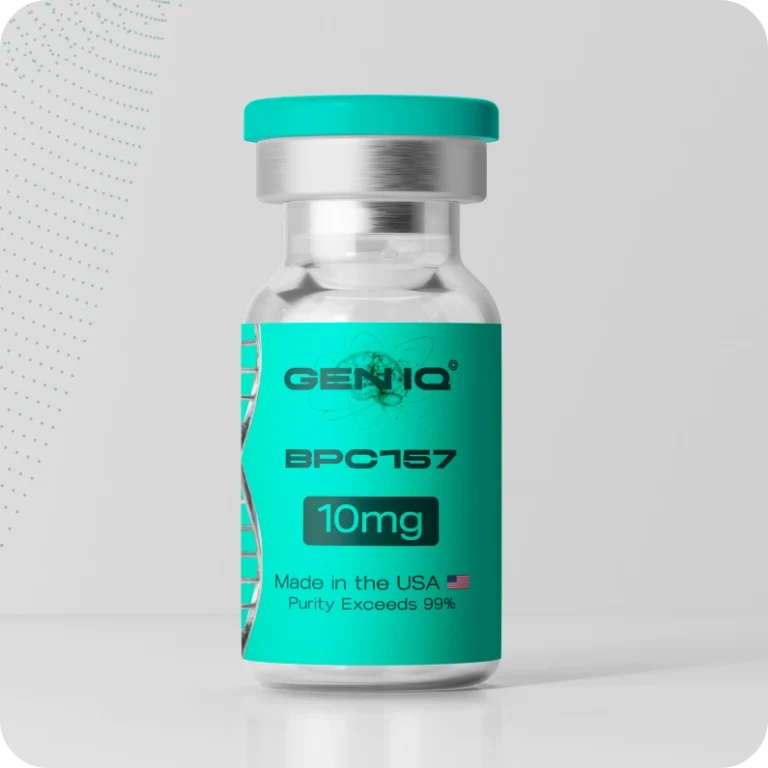
BPC-157 (10mg)
$79.99BPC-157 is a synthetic peptide composed of a partial sequence derived from the Body Protection Compound (BPC), a naturally occurring protein fragment found in gastric juice.
In research settings, BPC-157 is examined for its ability to influence cellular signaling involved in tissue responses, angiogenesis processes, and regulatory pathways tied to tissue remodeling.
GENIQ provides BPC-157 strictly for controlled scientific research—not for human or animal use.
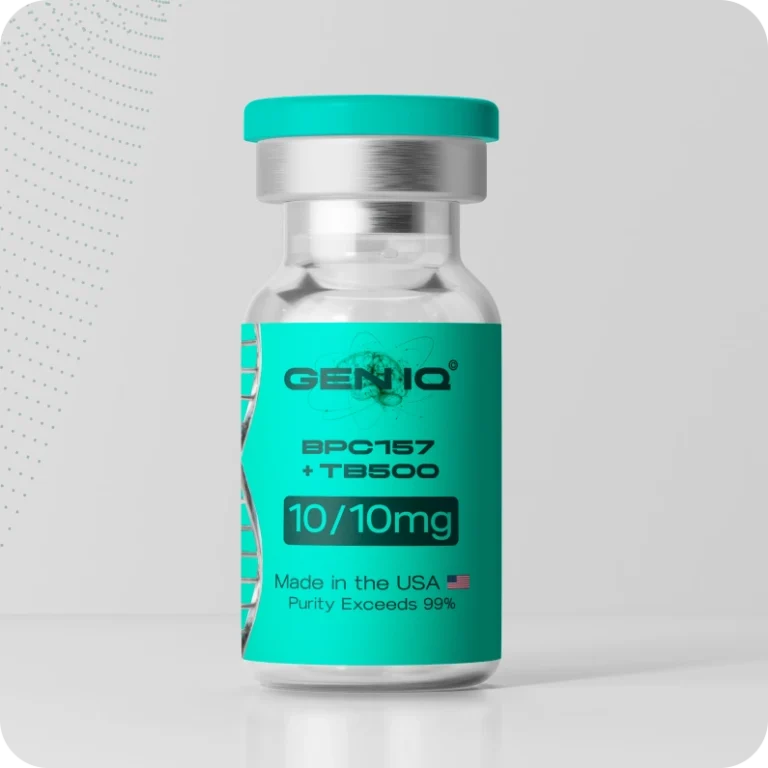
BPC-157 / TB-500
Price range: $149.99 through $199.99BPC-157 / TB-500 is a research peptide blend combining two widely studied compounds: BPC-157, a gastric-derived peptide fragment, and TB-500, a synthetic analog of thymosin beta-4 sequences.
Researchers study this combination for its potential influence on cellular repair dynamics, angiogenic pathways, inflammatory processes, and tissue-architecture regulation.
GENIQ supplies this peptide blend strictly for scientific research and not for human or animal use.
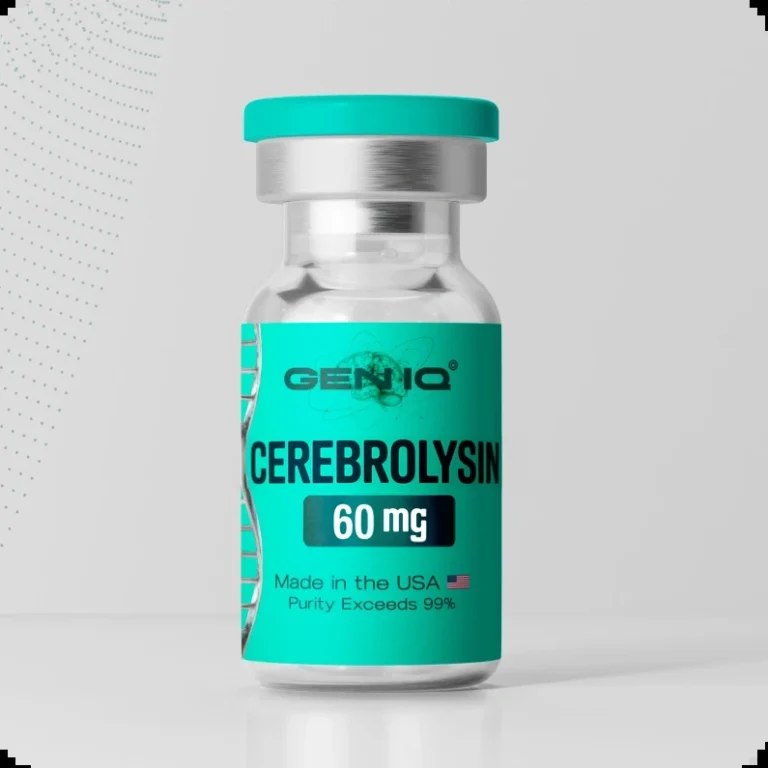
Cerebrolysin — 60mg
$189.99Cerebrolysin is a peptide preparation studied in laboratory research for its role in neurotrophic signalling. It is composed of low-molecular-weight peptides and free amino acids, and is examined in research settings for how such fractions interact with neuronal growth and survival pathways, synaptic signalling, and cellular repair mechanisms in the central nervous system. Supplied for laboratory research use only.
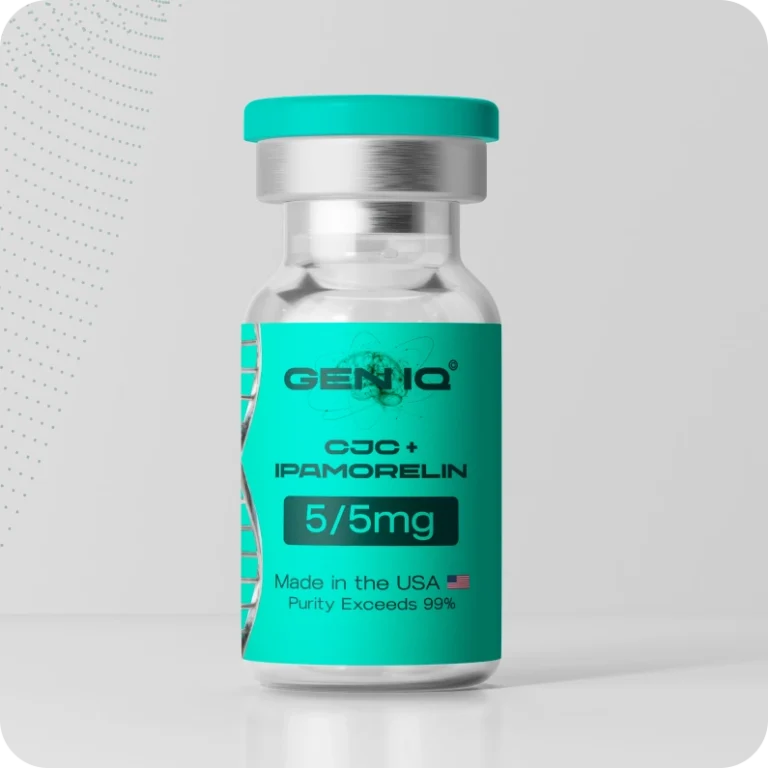
CJC-1295 (No DAC) / Ipamorelin
Price range: $139.99 through $199.99CJC-1295 (No DAC) / Ipamorelin is a dual-peptide research blend combining a modified growth hormone–releasing hormone analog (CJC-1295 No DAC) with a selective growth hormone secretagogue receptor peptide (Ipamorelin).
Researchers use this combination to study the interaction between GHRH-related signaling and ghrelin-receptor pathways under controlled laboratory conditions.
This compound is provided by GENIQ exclusively for scientific research and not for human or animal use.
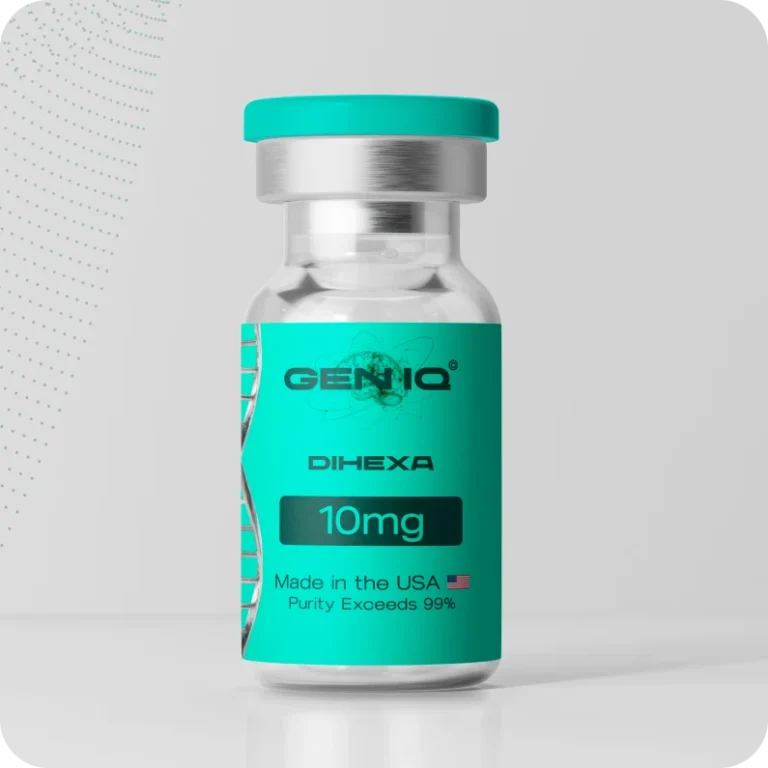
DIHEXA (10mg)
$249.99DIHEXA (N-Hexanoic-Tyr-Ile-(6) aminohexanoic amide) is a synthetic peptide-derived compound studied in neuroscience and synaptic signaling research. It is structurally related to angiotensin IV but was engineered to enhance stability and biological activity within laboratory models.
Researchers study DIHEXA primarily for its interaction with hepatocyte growth factor (HGF) and c-Met receptor signaling pathways, which are associated with synaptic connectivity and neural communication.
GENIQ supplies DIHEXA strictly for laboratory research only—not for human or animal use.
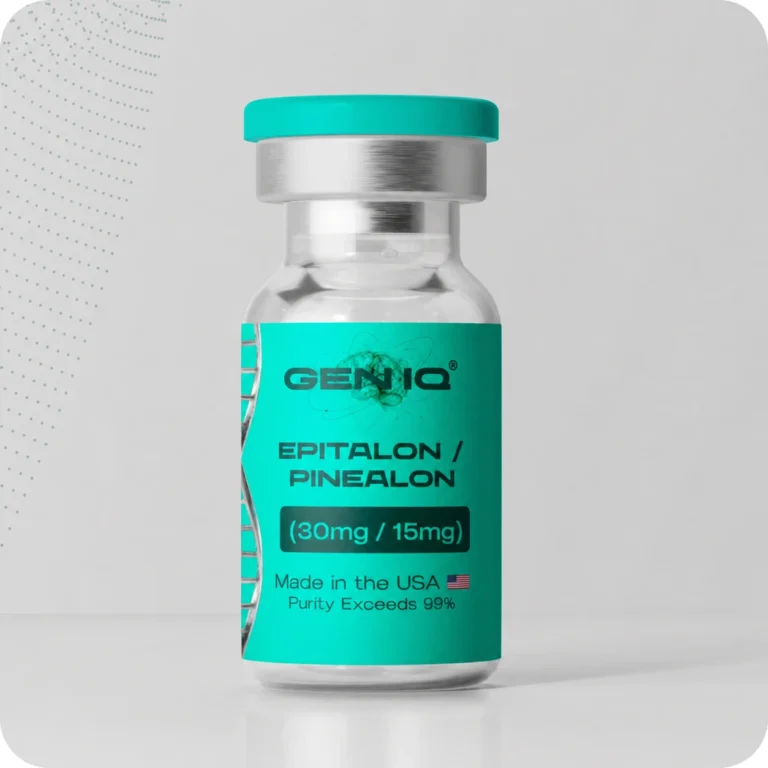
Epitalon / Pinealon (30mg / 15mg)
$249.99Epitalon and Pinealon are short regulatory peptides commonly studied in aging, neurobiology, and cellular-regulation research.
Epitalon is a synthetic tetrapeptide associated with telomerase-related and circadian-regulation models, while Pinealon is a tripeptide studied for its involvement in neurobiological signaling and gene-expression pathways.
When combined in laboratory research, these peptides are evaluated for their complementary roles in cellular aging models, stress-response pathways, and neuroregulatory systems.
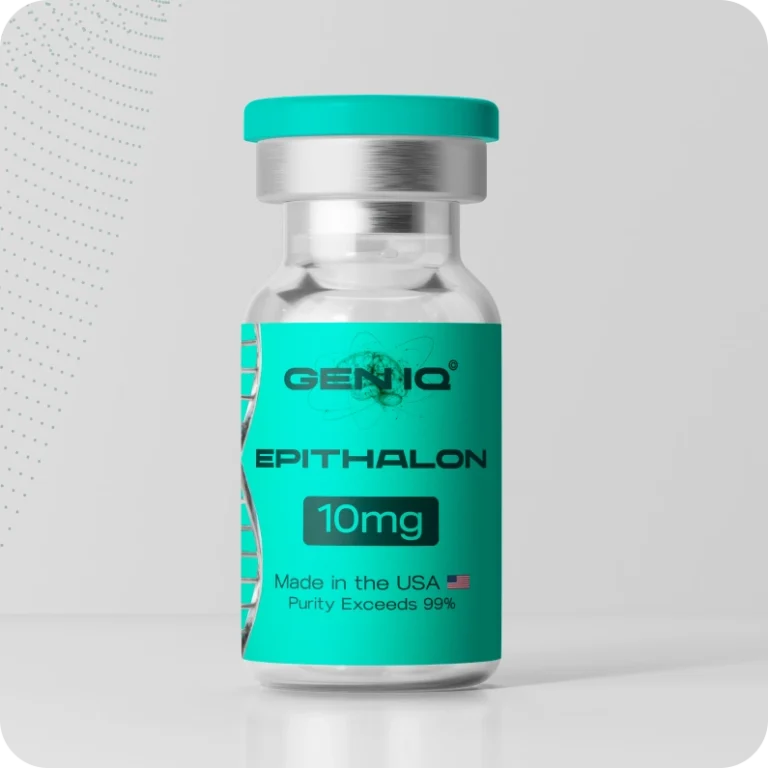
Epithalon
Price range: $84.99 through $159.99Epithalon (also known as Epitalon or Epithalamin-derived peptide) is a synthetic tetrapeptide modeled after a naturally occurring peptide produced in the pineal gland.
Researchers study Epithalon for its relationship to cellular aging markers, telomerase-associated pathways, circadian regulation, and antioxidant-related biochemical processes.
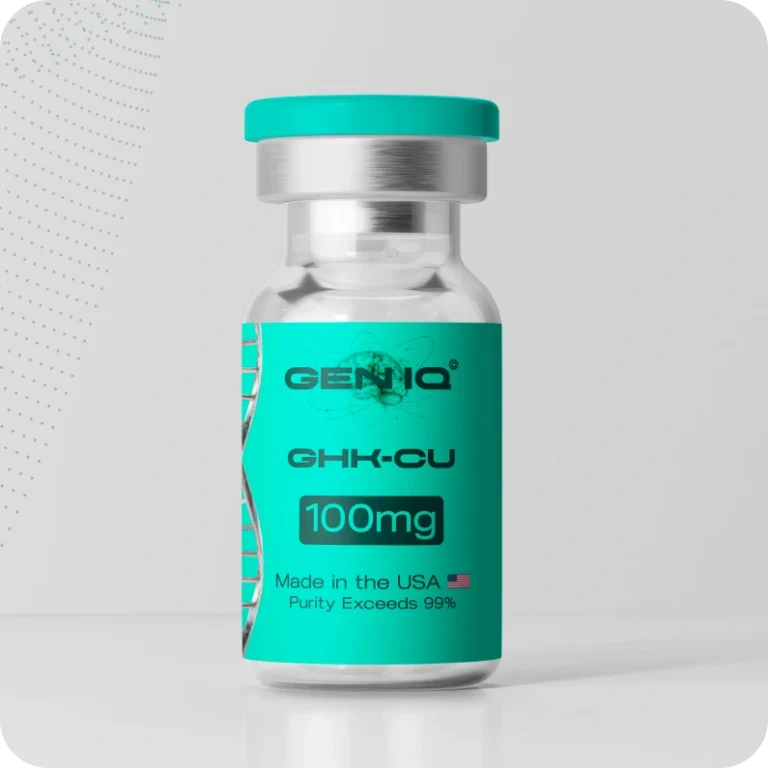
GHK-Cu
Price range: $49.99 through $69.99GHK-Cu is a naturally occurring copper-binding tripeptide composed of glycine, histidine, and lysine complexed with copper ions.
It is widely studied for its involvement in tissue-regulation pathways, skin biology models, gene-expression behavior, and cellular repair mechanisms.
In laboratory environments, researchers use GHK-Cu to examine structural protein responses, wound-associated signaling, and processes related to cellular remodeling.
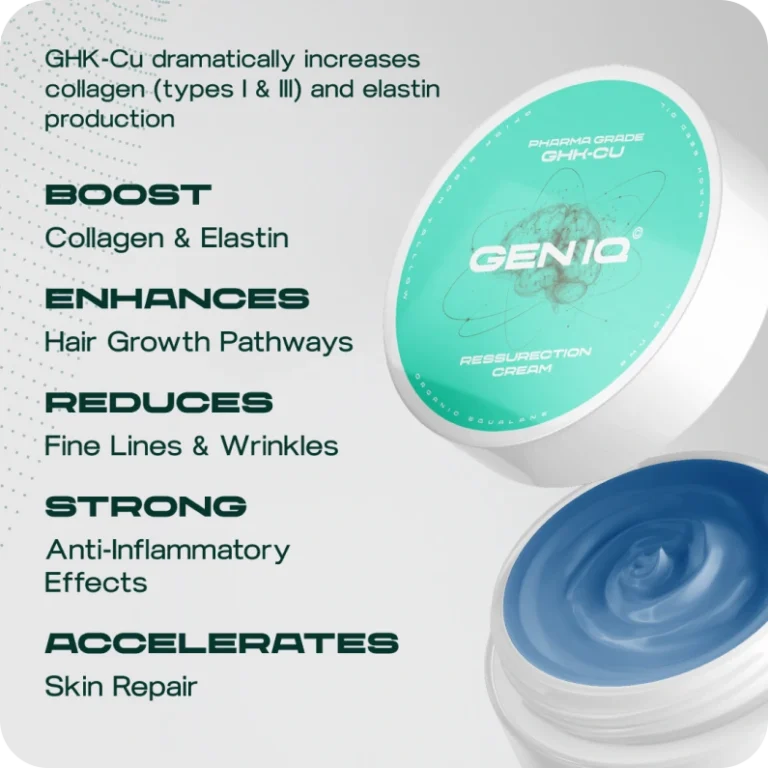
GHKCU / TALLOW Cream
Original price was: $150.00.$99.00Current price is: $99.00.GENIQ GHKCU / TALLOW Cream is a topical cosmetic formulation designed to support skin renewal, barrier restoration, and overall skin resilience.
It combines pharma-grade peptides with nutrient-dense lipids and bioactive oils to nourish the skin and support its natural repair and regeneration processes.
This formula is developed for external cosmetic use and is intended to improve the appearance, texture, and hydration of the skin.
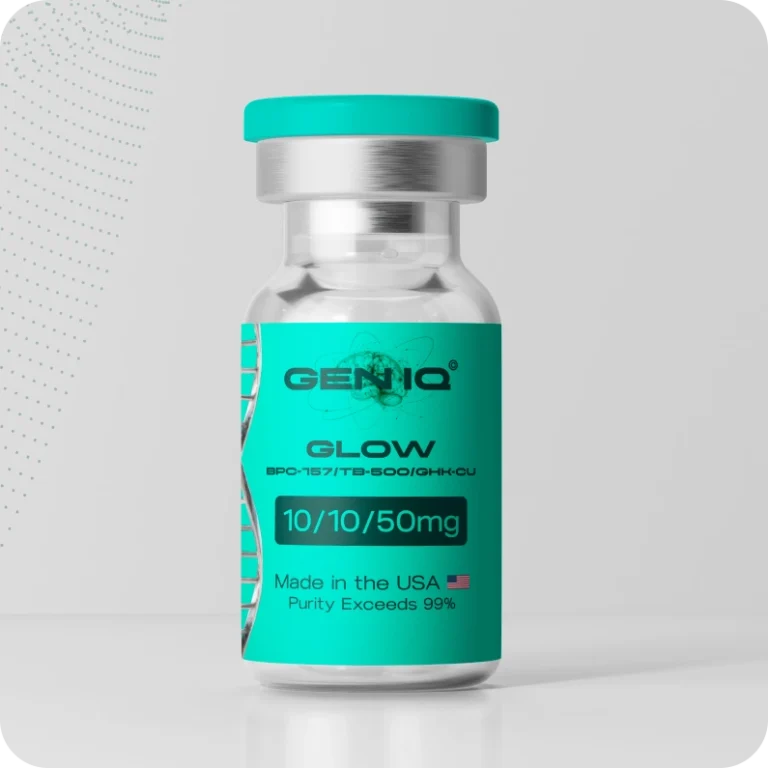
GLOW BPC-157 / TB-500 / GHK-Cu (10mg / 10mg / 50mg)
$239.99This research blend combines three widely studied peptides: BPC-157, TB-500, and GHK-Cu.
Each compound has been individually investigated for its interactions with biological pathways related to cellular repair, structural tissue regulation, angiogenesis, and inflammatory signaling.
Together, this combination is used in laboratory settings to explore how multiple signaling mechanisms behave when studied simultaneously.
GENIQ provides this blend strictly for scientific research—not for human or animal use.