



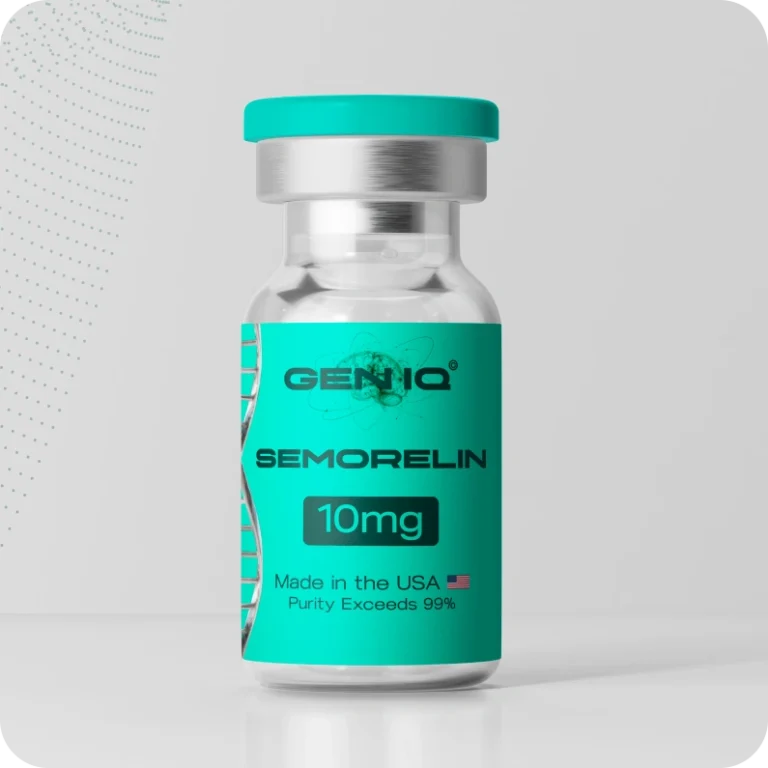
Sermorelin — 10mg
$149.99Sermorelin is a synthetic 29–amino acid fragment of Growth Hormone–Releasing Hormone (GHRH 1–29).
It is used in scientific research to study interactions with the pituitary GHRH receptor, growth-hormone–related pathways, and endocrine signaling mechanisms.
GENIQ supplies Sermorelin exclusively for laboratory research—not for human or animal administration.
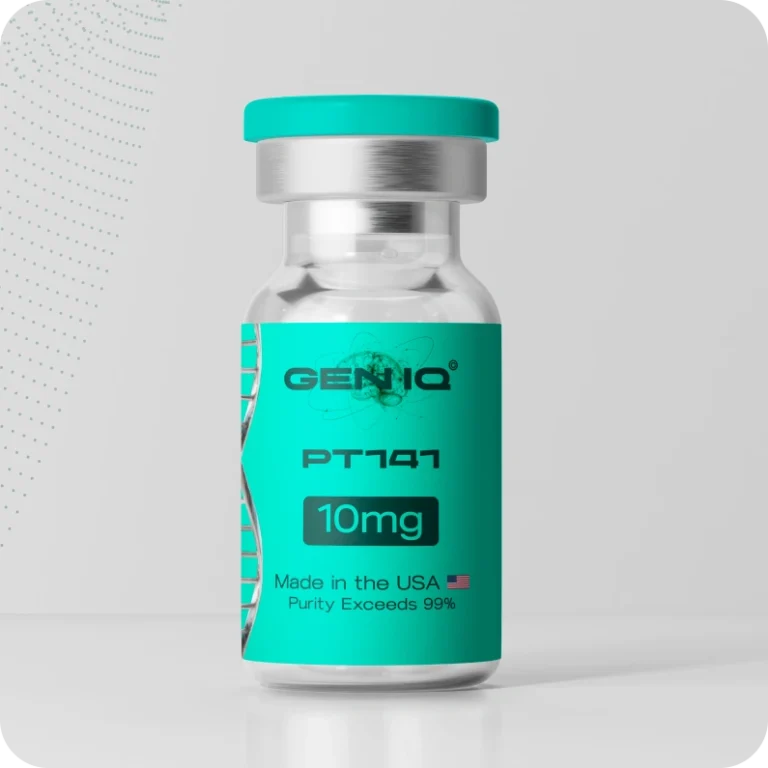
PT-141 — 10mg
$89.99PT-141 (Bremelanotide) is a synthetic melanocortin analog developed from the peptide Melanotan 2.
Researchers study PT-141 for its interactions with melanocortin receptors—especially MC3R and MC4R—which are involved in neurobiological, behavioral, and signaling pathways.
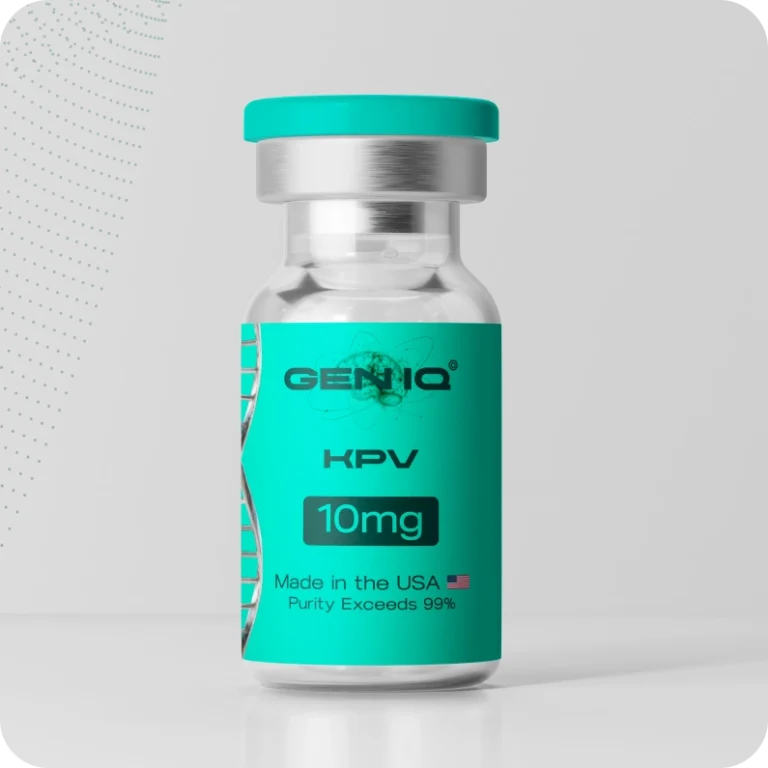
KPV — 10mg
$89.99KPV is a synthetic tripeptide composed of lysine, proline, and valine.
It is derived from the C-terminal end of the alpha-melanocyte–stimulating hormone (α-MSH) sequence.
In research environments, KPV is examined for its interactions with inflammatory pathways, immune signaling, epithelial responses, and cellular regulation mechanisms.
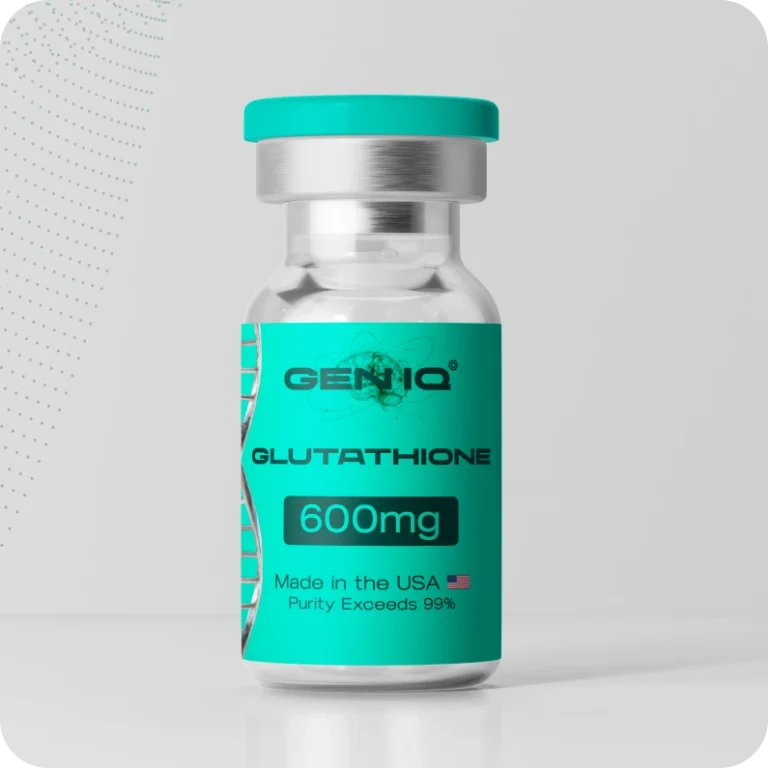
Glutathione
Price range: $99.99 through $175.99Glutathione is a tripeptide composed of glutamic acid, cysteine, and glycine, naturally present in almost all living cells.
It is one of the most studied intracellular antioxidants and plays a central role in redox balance, detoxification processes, and cellular defense mechanisms.
In research settings, glutathione is used to examine oxidative stress responses, immune system-related pathways, cellular protection mechanisms, and biochemical interactions involving free radicals.
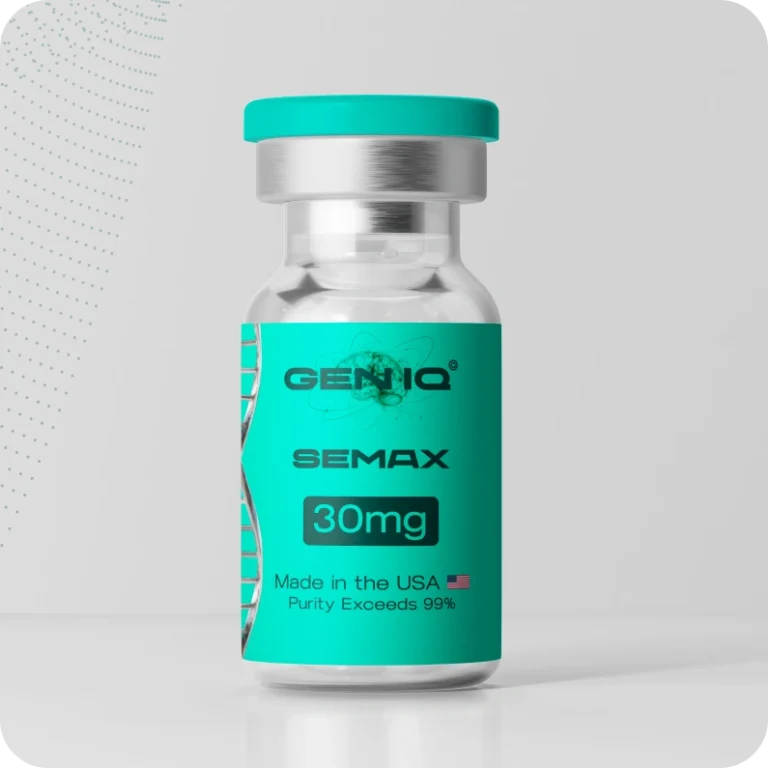
Semax (30mg)
$169.99Semax is a synthetic heptapeptide originally derived from a fragment of adrenocorticotropic hormone (ACTH 4-10).
It is studied for its involvement in neurochemical signaling, cognitive-function pathways, stress-response models, and peptide-mediated gene regulation.
GENIQ supplies Semax exclusively for laboratory research use—not for human or animal administration.
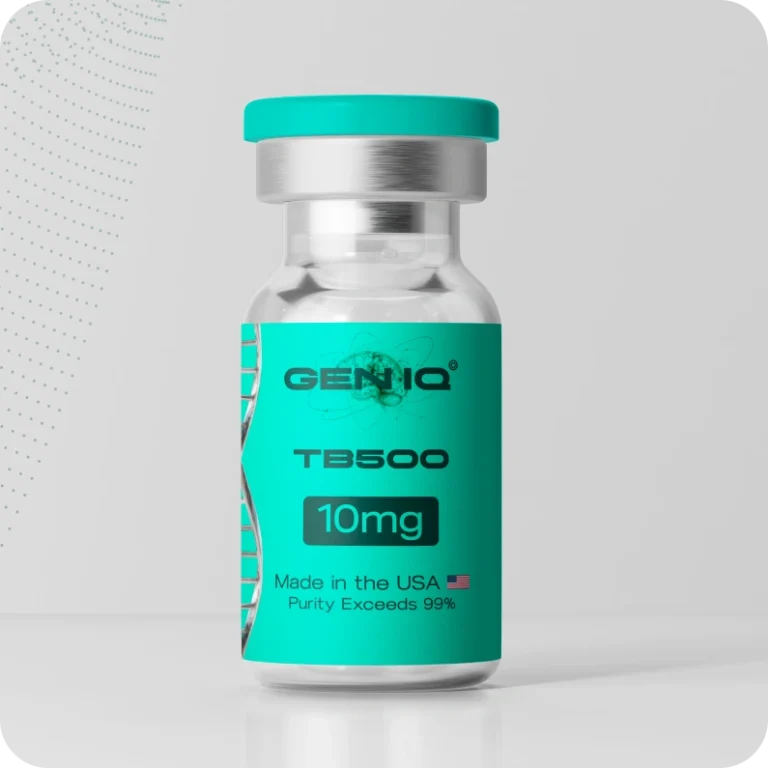
TB-500 — 10mg
$139.99TB-500 is a synthetic peptide fragment modeled after a naturally occurring protein known as Thymosin Beta-4 (Tβ4).
Researchers study TB-500 for its involvement in cellular repair models, actin-regulation pathways, angiogenesis-related processes, and tissue-responding biochemical mechanisms.
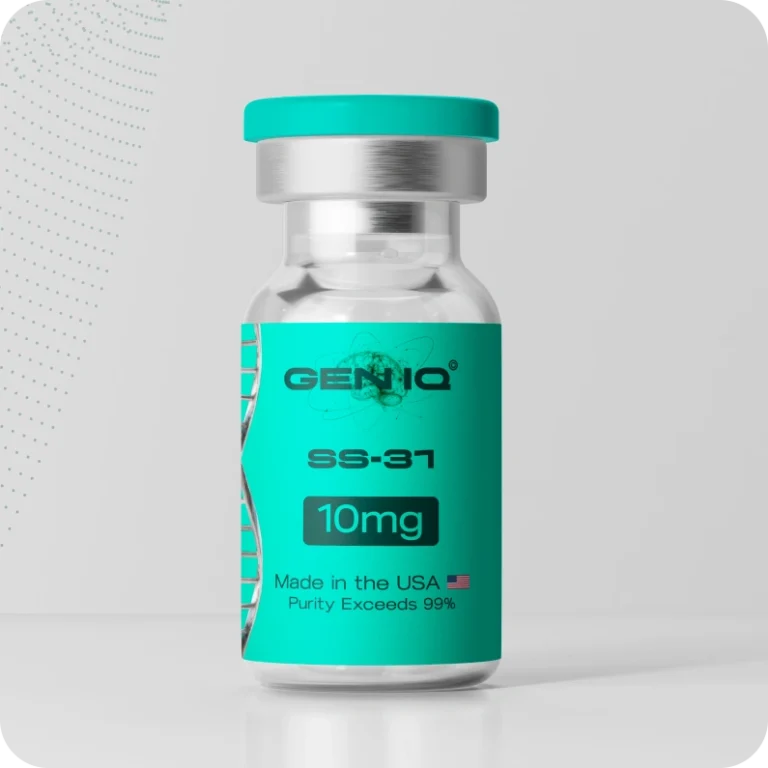
SS-31 — 10mg
$159.99SS-31 (also known as Elamipretide in research contexts) is a synthetic tetrapeptide designed to target the inner mitochondrial membrane.
It binds to cardiolipin, a key phospholipid required for mitochondrial structural integrity and energy production.
Researchers study SS-31 for its involvement in mitochondrial stability, oxidative-stress responses, and cellular energy pathways.
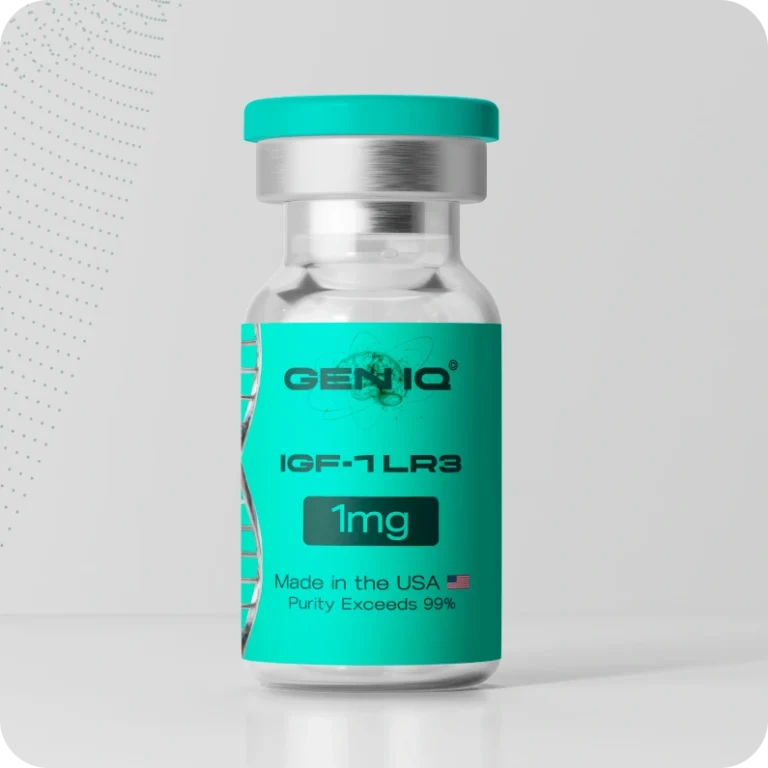
IGF-1 LR3 — 1mg
$149.99IGF-1 LR3 (Insulin-Like Growth Factor-1 Long R3) is a modified analog of IGF-1 engineered to exhibit increased stability and extended activity in laboratory research environments.
It differs from native IGF-1 by the addition of an arginine substitution at position 3 and an extended peptide chain, enhancing its resistance to binding proteins and degradation.
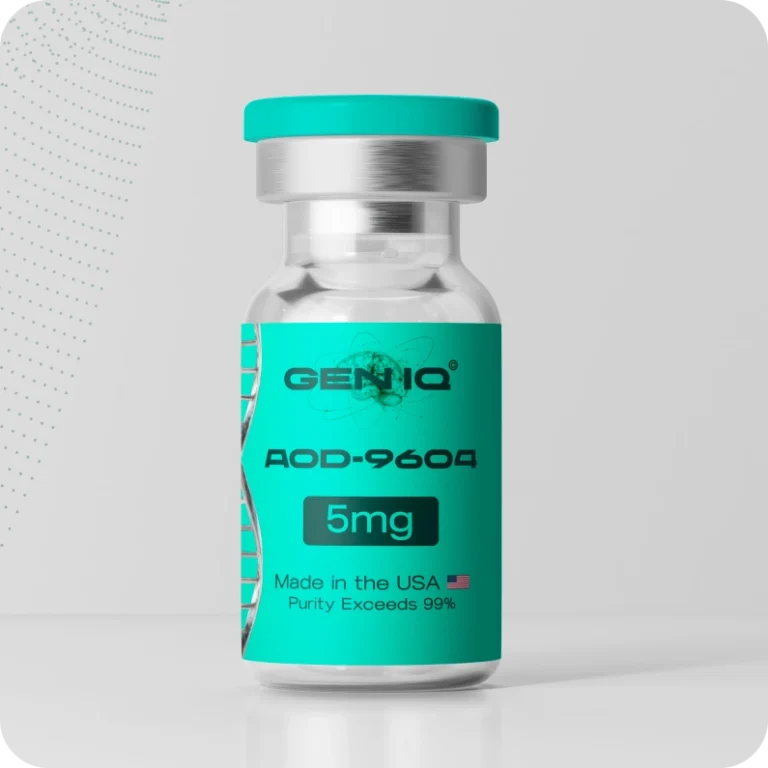
AOD-9604
Price range: $108.99 through $149.99AOD-9604 is a laboratory-designed peptide fragment derived from the 176–191 region of the human growth hormone (HGH) sequence.
It is studied for its interactions with metabolic signaling pathways and its potential influence on lipid-related biochemical activity.
This compound is provided exclusively for controlled scientific research and is not intended for human or animal use.
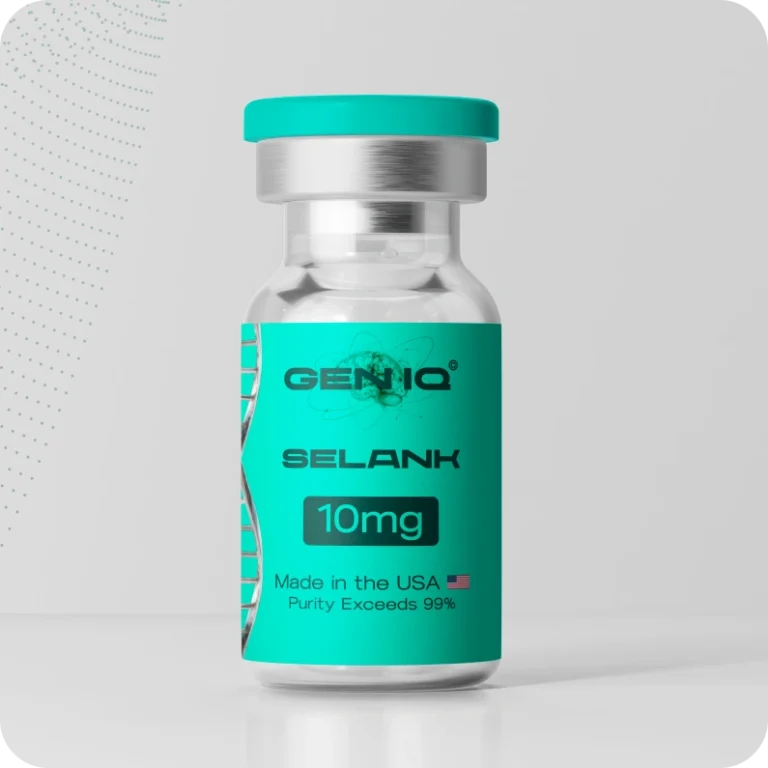
Selank — 10mg
$129.99Selank is a synthetic heptapeptide derived from the endogenous tetrapeptide tuftsin.
It is studied for its involvement in neurochemical signaling, stress-response pathways, memory-related biochemical models, and immune–nervous system interactions.
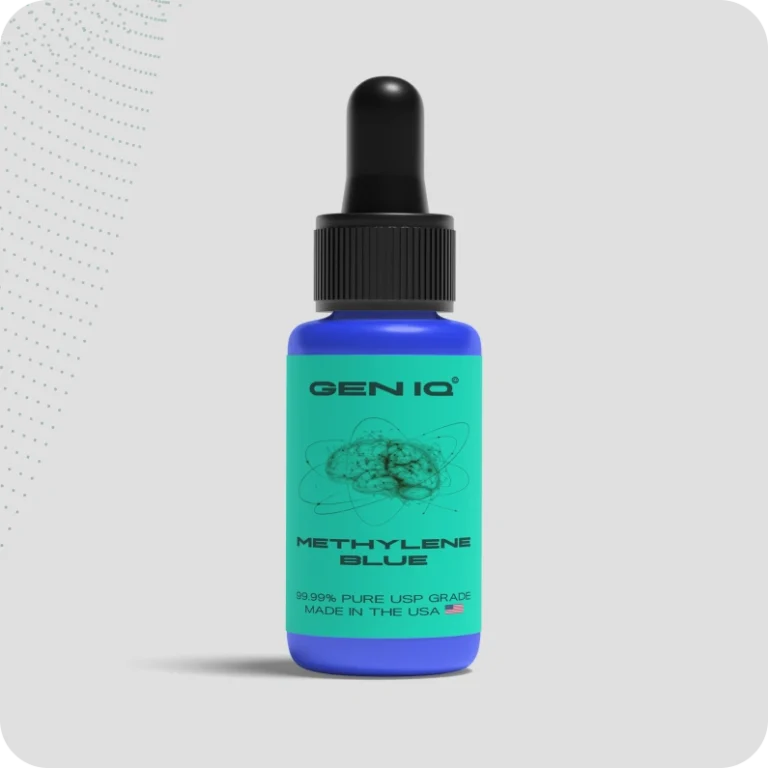
Methylene Blue — 99.99% USP Grade
$34.99Methylene Blue (methylthioninium chloride) is a synthetic heterocyclic aromatic compound widely used in biochemical, microbiological, and redox-biology research.
It is studied for its electron-transfer properties, mitochondrial interaction behavior, and role in cellular oxidation-reduction models.
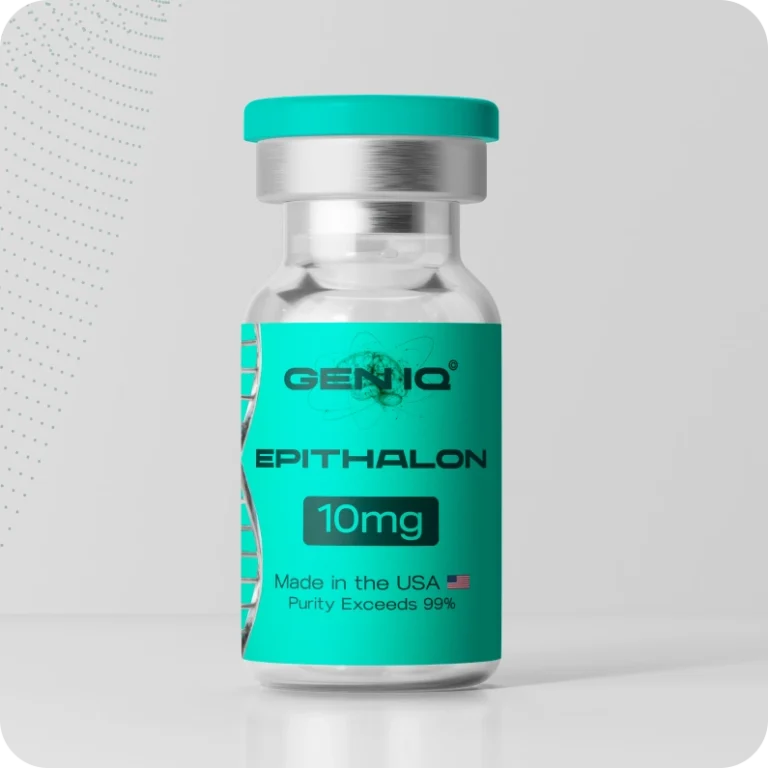
Epithalon
Price range: $84.99 through $159.99Epithalon (also known as Epitalon or Epithalamin-derived peptide) is a synthetic tetrapeptide modeled after a naturally occurring peptide produced in the pineal gland.
Researchers study Epithalon for its relationship to cellular aging markers, telomerase-associated pathways, circadian regulation, and antioxidant-related biochemical processes.