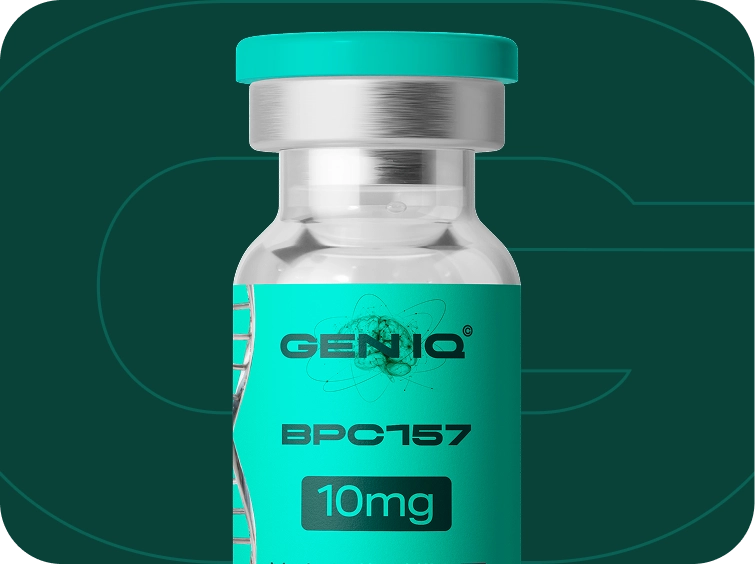
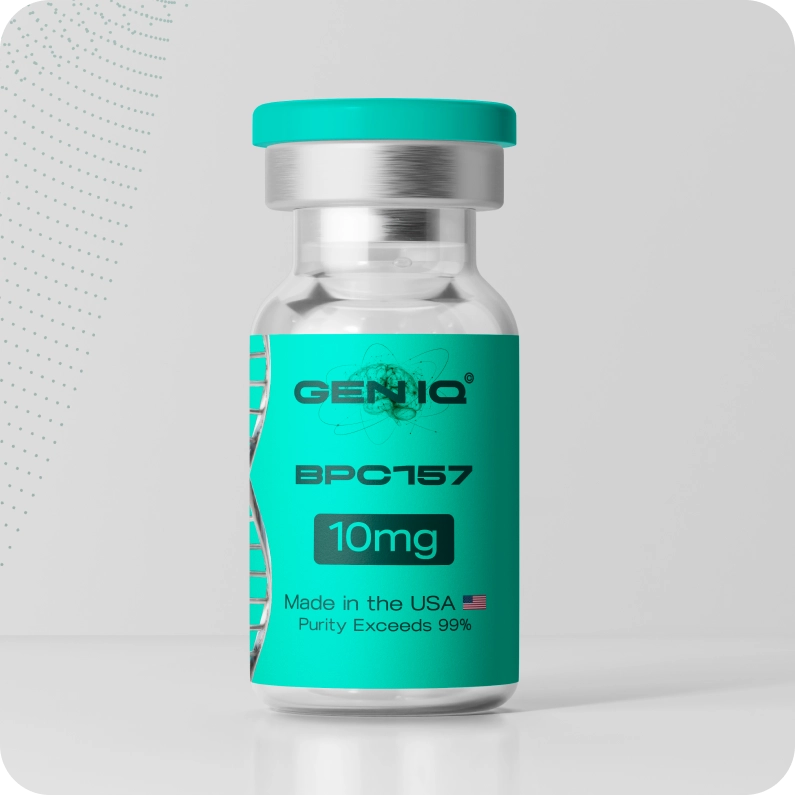
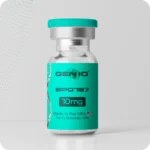
BPC-157 (10mg)

BPC-157 is a synthetic peptide composed of a partial sequence derived from the Body Protection Compound (BPC), a naturally occurring protein fragment found in gastric juice.


In research settings, BPC-157 is examined for its ability to influence cellular signaling involved in tissue responses, angiogenesis processes, and regulatory pathways tied to recovery and repair.


GENIQ provides BPC-157 strictly for controlled scientific research—not for human or animal use.

$79.99

Category:
  • Official retailer
  • Quality guaranteed
  • Free delivery from $99
  • Free returns is available

What Is BPC-157?

BPC-157 is a synthetic peptide composed of a partial sequence derived from the Body Protection Compound (BPC), a naturally occurring protein fragment found in gastric juice.

In research settings, BPC-157 is examined for its ability to influence cellular signaling involved in tissue responses, angiogenesis processes, and regulatory pathways tied to recovery and repair.

GENIQ provides BPC-157 strictly for controlled scientific research—not for human or animal use.

Peptide Overview

BPC-157 is a 15-amino-acid peptide fragment studied for its interactions with biological pathways associated with cellular repair dynamics, vascular activity, and inflammatory mediators.

In vitro and preclinical studies often examine how BPC-157 may promote changes in:

Cellular migration
Tissue remodeling responses
Angiogenic processes
Inflammatory signaling mechanisms
These observations occur only in research environments and do not represent clinical outcomes or therapeutic claims.

All findings remain limited to preclinical and in-vitro experimental environments.

History of BPC-157

BPC-157 was originally identified through research on gastric-derived protective proteins.

Scientists isolated the stable 15-amino-acid sequence now known as BPC-157 to explore its potential role in supporting gastrointestinal and tissue-regulation processes in laboratory settings.

Over the years, it has become one of the most frequently studied peptides for its effects on cellular healing dynamics, vascular pathways, and inflammatory regulation—always within non-clinical research settings.Its relevance continues due to ongoing exploration of its molecular mechanisms and interactions within various experimental models.

Peptide Structure

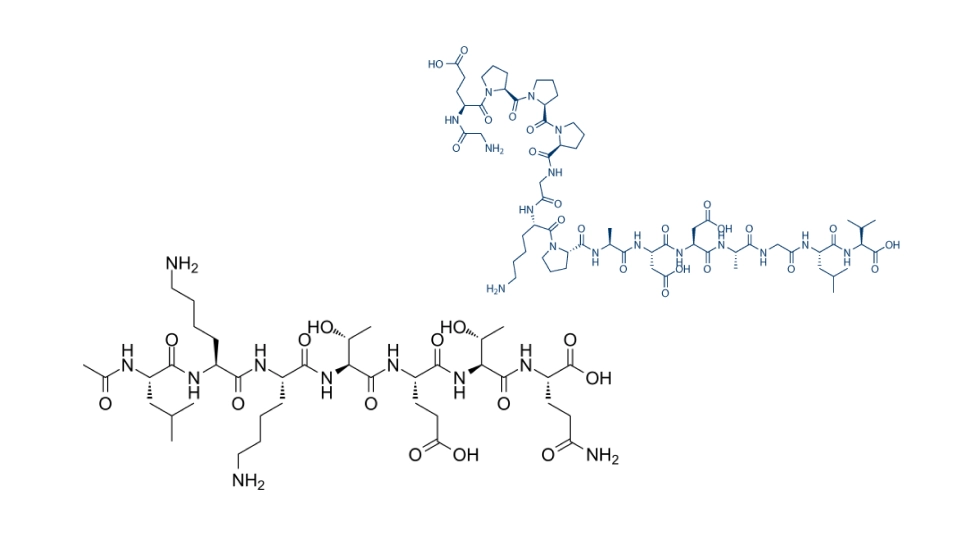
Sequence: Gly-Glu-Pro-Pro-Pro-Gly-Lys-Pro-Ala-Asp-Asp-Ala-Gly-Leu

Certificates of Analysis

BPC-157 (10mg)

Research Findings

Research investigating BPC-157 highlights several areas of interest, including:

Angiogenesis research: Studies examine how BPC-157 interacts with blood vessel formation pathways and endothelial activity.
Inflammation models: Research explores how the peptide may influence inflammatory markers and local tissue signaling.
Cellular repair processes: Laboratory findings have evaluated cellular migration, fibroblast activity, and structural remodeling responses.
Neurological and gastrointestinal models: Some studies explore how BPC-157 affects cellular communication in nerve and gut-related experimental systems.
These insights are based on controlled research models and do not imply therapeutic or clinical effects.

These findings reflect laboratory experiments only and do not indicate clinical outcomes.

References

1. Sikiric P., et al. “BPC-157 and its interaction with healing processes in experimental models.” Current Molecular Pharmacology.

2. Seiwerth S., et al. “The effects of BPC-157 on cellular repair mechanisms.” Journal of Physiology Research.

3. Chang C. H., et al. “Angiogenic and tissue-regulation properties of BPC-157 in lab environments.” Peptide Science Review.

4. Clinical Research Group. “Investigations into inflammatory signaling and cellular migration of BPC-157.”

FAQ

What type of research is BPC-157 used for?

It is used in laboratory studies focused on cellular signaling, angiogenesis pathways, inflammation models, and tissue-regulation mechanisms.

Yes. Every GENIQ peptide includes a COA verifying identity and purity.

No. It is not FDA-approved and not intended for human or animal administration.

No. GENIQ does not provide any information related to reconstitution, dosing, or application.

Only trained professionals in laboratory settings following appropriate safety protocols.

Research Use Only

All GENIQ compounds are intended strictly for laboratory research.
 Not for human or animal consumption, medical use, or therapeutic application.

Nothing in this document should be interpreted as medical advice or as approval for use outside controlled scientific environments.

BPC-157 is a synthetic peptide composed of a partial sequence derived from the Body Protection Compound (BPC), a naturally occurring protein fragment found in gastric juice.


In research settings, BPC-157 is examined for its ability to influence cellular signaling involved in tissue responses, angiogenesis processes, and regulatory pathways tied to recovery and repair.


GENIQ provides BPC-157 strictly for controlled scientific research—not for human or animal use.

Reviews

There are no reviews yet.

Only logged in customers who have purchased this product may leave a review.