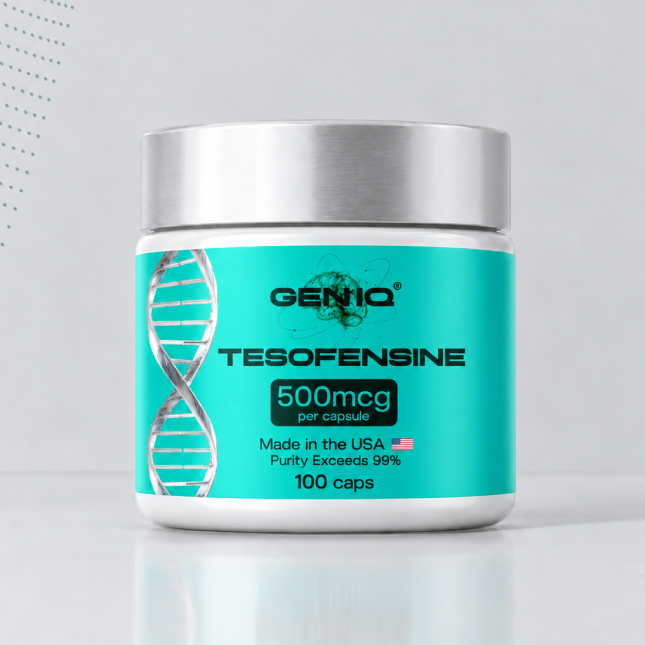
Tesofensine Caps (500mcg)
For Research Use Only — Not for Human Use
Intended for laboratory research use only (e.g., analytical and in-vitro studies). Not for human use.
Tesofensine is a synthetic small-molecule research compound studied for its effects on monoamine reuptake and appetite-related signaling pathways. This capsule format delivers Tesofensine in a stabilized encapsulated format for laboratory research use.
Tesofensine is examined in laboratory settings for its triple monoamine reuptake inhibition (dopamine, noradrenaline, and serotonin), which influences hypothalamic appetite-regulation circuits.
GENIQ supplies Tesofensine Caps strictly for laboratory research only—not for human or animal use.
$149.99

-
 Official retailer
 -
Quality guaranteed

-
Free delivery from $99
-
Free returns is available
What Is Tesofensine Caps?
Tesofensine is a synthetic small-molecule research compound studied for its effects on monoamine reuptake and appetite-related signaling pathways. This capsule format delivers Tesofensine in a stabilized encapsulated format for laboratory research use.Tesofensine is examined in laboratory settings for its triple monoamine reuptake inhibition (dopamine, noradrenaline, and serotonin), which influences hypothalamic appetite-regulation circuits.GENIQ supplies Tesofensine Caps strictly for laboratory research only—not for human or animal use.
Peptide Overview
Tesofensine is frequently studied in research focused on appetite regulation, energy expenditure, and central nervous system monoamine signaling. In controlled laboratory environments, researchers examine how Tesofensine Caps may promote changes in:
| Dopamine reuptake inhibition pathways |
| Noradrenaline and serotonin signaling |
| Hypothalamic appetite-regulation circuits |
| Energy expenditure-related gene expression |
| Food-intake behavioral research models |
| Body-weight regulation signaling |
| Central nervous system monoamine research |
All findings remain limited to preclinical and in-vitro experimental environments.
History of Tesofensine
Tesofensine was originally developed by NeuroSearch as an investigational compound for neurodegenerative disease research before its appetite-suppressing properties were reported in published studies. Scientists observed that its triple monoamine reuptake inhibition produced pronounced reductions in food intake in study participants. Because of this interaction, Tesofensine became a compound of interest in studies involving:
| Appetite and satiety signaling research |
| Obesity and metabolic syndrome models |
| Monoamine reuptake pharmacology |
| Energy homeostasis mechanisms |
| Central nervous system stimulant research |
| Body-composition research models |
Peptide Structure
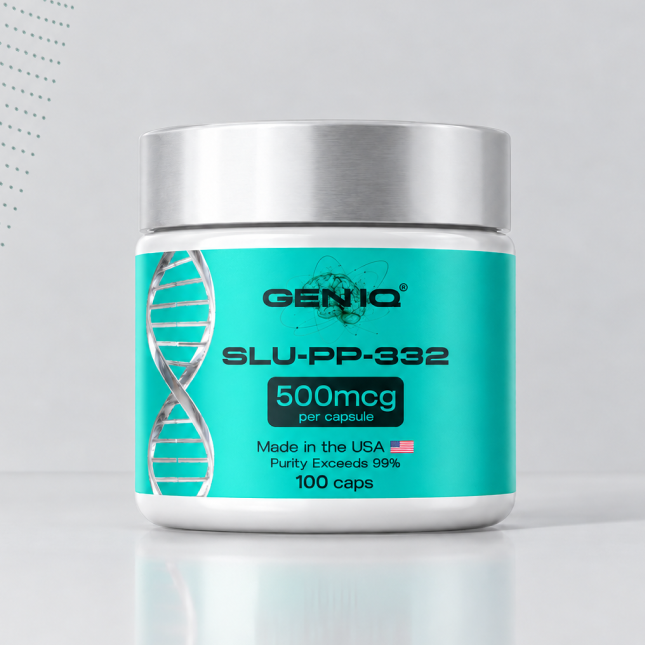
Chemical Name: Tesofensine (NS2330) Classification: Triple monoamine reuptake inhibitor (small molecule) Form Supplied: Oral capsule, 500mcg per capsule (100 capsules per bottle)
Certificates of Analysis
Every batch of GENIQ Tesofensine Caps is verified by third-party laboratory testing confirming identity, purity, and capsule content accuracy. Certificates of Analysis (COA) are available upon request for research verification.
Research Findings
Research involving Tesofensine commonly focuses on:
| Monoamine reuptake inhibition: Studies evaluate dopamine, noradrenaline, and serotonin transporter activity. |
| Appetite-suppression signaling: Researchers investigate hypothalamic pathways linked to reduced food intake. |
| Energy expenditure markers: Laboratory models track metabolic rate changes during exposure. |
| Body-weight research models: Experimental studies analyze weight-related outcomes in controlled settings. |
| CNS pharmacology: Investigations explore central nervous system signaling tied to monoamine transporters. |
These findings reflect laboratory experiments only and do not indicate clinical outcomes.
References
FAQ
Are GENIQ peptides pharmaceutical products?
No. They are not drugs, supplements, or therapeutic items. All compounds are provided strictly for laboratory research.
Who should purchase GENIQ research materials?
Qualified researchers, laboratories, and institutions working within applicable laws and regulations.
Do orders include COAs?
Yes. Each peptide includes a Certificate of Analysis confirming identity and purity testing when available for that lot.
What handling notes does GENIQ provide?
Only storage temperature and solvent-compatibility notes when listed on the product page. GENIQ does not provide guidance on preparation or application. Buyers follow their institution’s laboratory protocols.
Are these products for human use?
No. For Research Use Only — Not for Human Use. Not for human or animal consumption.
For Research Use Only — Not for Human Use
Sold exclusively as laboratory research materials. Not for human or animal consumption, clinical use, or household use.
Intended research use: Laboratory and in-vitro research, including analytical characterization and pathway / receptor-binding studies as applicable to this compound. Not for human consumption, clinical use, or diagnostic use on humans.
Tesofensine is a synthetic small-molecule research compound studied for its effects on monoamine reuptake and appetite-related signaling pathways. This capsule format delivers Tesofensine in a stabilized encapsulated format for laboratory research use.
Tesofensine is examined in laboratory settings for its triple monoamine reuptake inhibition (dopamine, noradrenaline, and serotonin), which influences hypothalamic appetite-regulation circuits.
GENIQ supplies Tesofensine Caps strictly for laboratory research only—not for human or animal use.